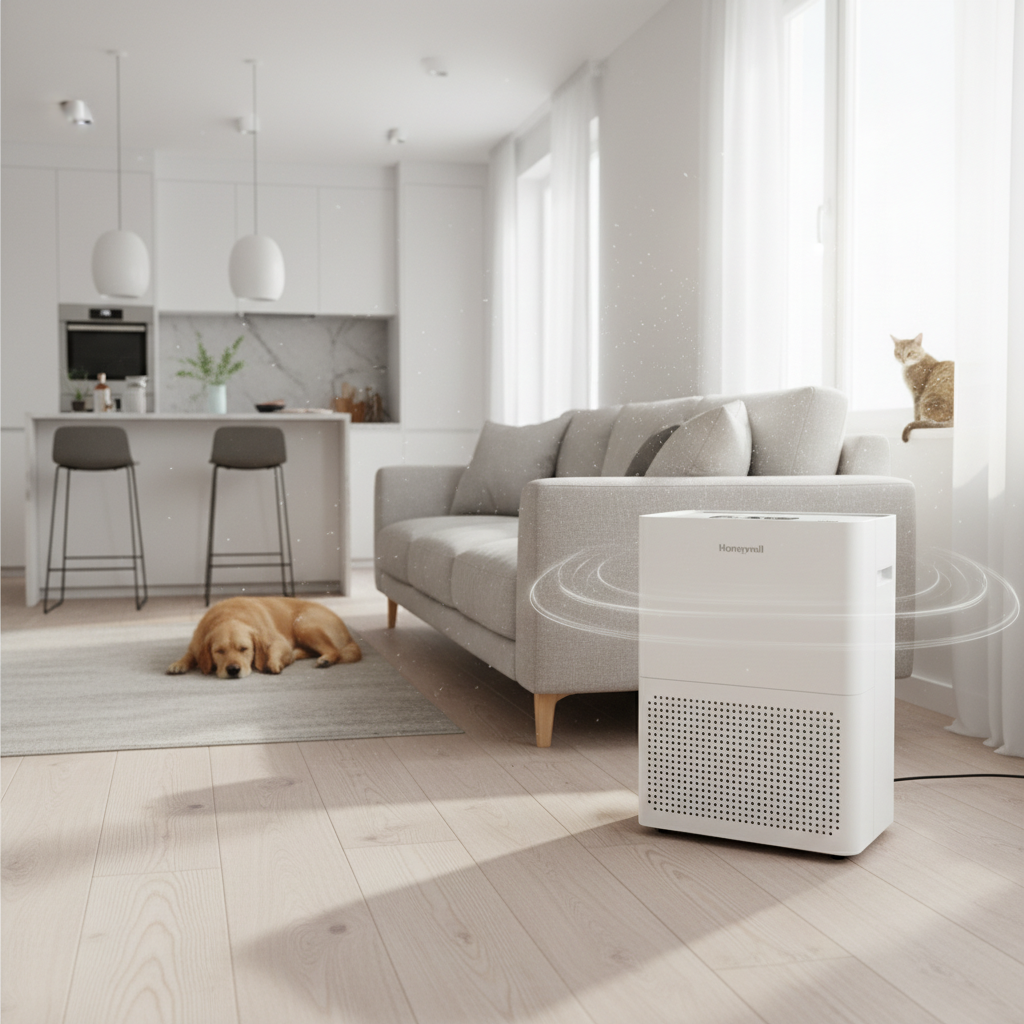
Stepping into the world of air purification can be overwhelming, especially when faced with technical terms like HEPA 13 and HEPA 14 filters. You know an air purifier is essential for tackling indoor pollutants, but understanding the nuances between different filter types is crucial for making the right choice for your home or specific needs. This guide will demystify the distinctions between HEPA 13 and HEPA 14 filters, helping you determine which level of air purification is truly necessary for your environment and peace of mind.
An Overview of Air Purifiers and HEPA Technology
Air purifiers are devices designed to remove contaminants from the air in a room, improving indoor air quality. They achieve this through various filtration mechanisms, with High-Efficiency Particulate Air (HEPA) filters being one of the most effective and widely recognized technologies. A HEPA filter works by forcing air through a fine mesh that traps harmful particles such as pollen, pet dander, dust mites, and smoke. The technology dates back to the Manhattan Project, developed to capture radioactive dust, and has since become the gold standard for clean air across numerous settings.
The primary benefit of using an air purifier with HEPA filtration is the significant improvement in respiratory health and overall well-being. By removing allergens, pollutants, and even some viruses and bacteria, these devices can alleviate symptoms for allergy and asthma sufferers, reduce the spread of airborne illnesses, and eliminate unpleasant odors, creating a fresher and healthier living or working environment.
Understanding HEPA Filter Types and Their Differences
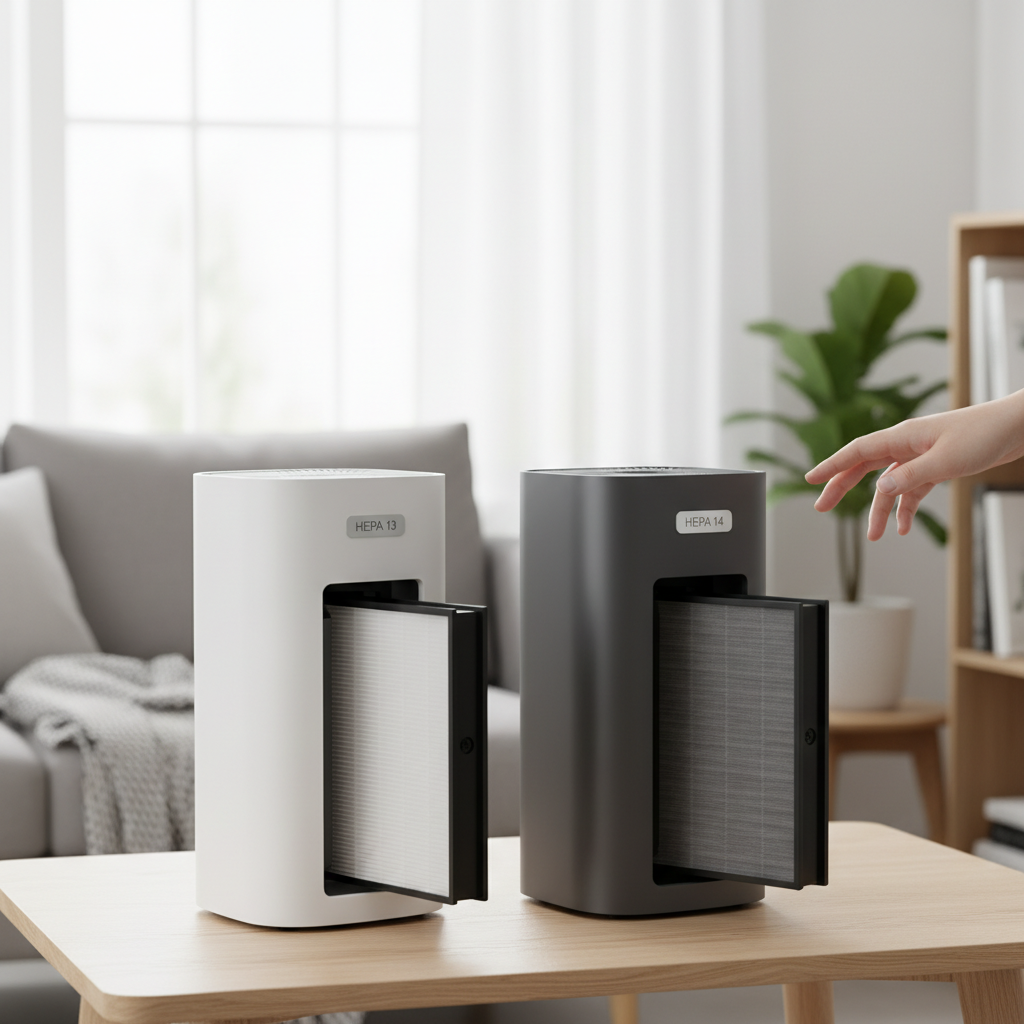
While “HEPA” is a broad term, specific classifications like HEPA 13 and HEPA 14 denote varying levels of filtration efficiency. These classifications are based on rigorous testing standards, typically EN 1822 in Europe, which measure how effectively a filter captures particles of a specific size, often the Most Penetrating Particle Size (MPPS), usually around 0.3 micrometers. Understanding these distinctions is key to selecting the appropriate air purification for your unique requirements.
HEPA 13 Filters: Advanced Filtration for Most Homes
|
Our Picks for the Best Air purifier in 2026
As an Amazon Associate I earn from qualifying purchases.
|
||
| Num | Product | Action |
|---|---|---|
| 1 | Air Purifiers for Home with High Efficiency Filter Up to 1076 Ft² for Pet Hair, Odors, Pollen, Smoke, Compact Air Cleaner with 3 Speeds, Timer, Aroma Quiet 360°Intake Filter, White |

|
| 2 | LEVOIT Air Purifier for Home Allergies Pet Hair in Bedroom, Covers Up to 1073 ft² by 56W High Torque Motor, AHAM VERIFIDE, 3-in-1 Filter with HEPA Sleep Mode, Remove Dust Smoke Odor, Core300-P, White |
|
| 3 | FreAire Air Purifiers for Bedroom Up to 1086 Ft², Air Purifiers for Home with Lights, HEPA Air Purifier Removes Dust Smoke Pollen Dander Smell, for Home/Pets/Bedroom |
|
| 4 | LEVOIT Air Purifier for Home Large Room Up to 1073Ft² with Air Quality Monitor, AHAM VERIFIDE, Smart WiFi, Washable Pre-Filter, HEPA Sleep Mode for Pets, Allergies, Dust, Pollen, Vital 100S-P, White |
|
| 5 | KNKA Air Purifier for Home Bedroom Large Room Up to 1,695 Ft² in 1 Hr, HEPA Air Cleaner with Washable Pre-Filter, AHAM VERIFIDE, AQI Display, ECO Mode, Pet Mode for Pets, Dust, Pollen, APH4000 |
|
| 6 | LEVOIT Air Purifiers for Home Large Room Up to 1875 Ft² with Washable Pre-Filter, AHAM VERIFIDE, Air Quality Monitor, HEPA Sleep Mode for Allergies, Pet Hair in Bedroom, Vital 200S-P, White |
|
| 7 | LEVOIT Air Purifier for Home Bedroom Dorm Room, Smart & Voice Control, AHAM VERIFIED, 3-in-1 Filter With HEPA Sleep Mode, for Pollen, Pollutants, Smoke, Dander, Dust, Core 200S-P, White |
|
| 8 | LEVOIT Air Purifiers for Bedroom Home Dorm, AHAM VERIFIED, 3-in-1 Filter Cleaner With Aroma Pad, Filters Smoke, Allergens, Pet Dander, Odor, Dust, Office, Desktop, Core Mini-P, White |
|
| 9 | Air Purifiers for Home Large Room, Cover Up to 2400 Ft² with True HEPA Filter, Smart Mode, PM2.5 Air Quality Display, 22dB Sleep Mode, Aromatherapy with 2X-Purification & 360°Air Outlet, HAP603 |
|
| 10 | Air Purifiers for Home Large Room Cover Up to 1500 Ft² with True HEPA Filter, 20dB Sleep Mode, 360° Air Intake & Outlet, Air Cleaner for Bedroom Pets, 7 Color Light, HAP604, Bright White |
|
HEPA 13 filters are considered medical-grade and are highly effective for most residential and many commercial applications. They are designed to capture at least 99.95% of particles as small as 0.3 micrometers. This includes a wide range of common indoor air pollutants such as pet dander, pollen, dust, mold spores, and even many bacteria and viruses. For individuals with moderate allergies, general concerns about indoor air quality, or those living in urban areas with moderate air pollution, a HEPA 13 filter often strikes an excellent balance between performance and practicality.
HEPA 14 Filters: Superior Purity for Critical Environments
Stepping up in efficiency, HEPA 14 filters offer an even higher level of air purification. These filters are rated to capture at least 99.995% of particles as small as 0.3 micrometers. This seemingly small numerical difference translates to a significantly greater capture rate for the most elusive and microscopic airborne contaminants. HEPA 14 filters are often found in environments where air purity is absolutely critical, such as high-level medical facilities, sensitive research laboratories, pharmaceutical manufacturing, and cleanrooms. They are also considered for homes with individuals who have severe allergies, compromised immune systems, or those living in areas with extremely severe air pollution, where every fraction of a percentage point in filtration makes a significant difference.
Combination Technologies
Many modern air purifiers integrate multiple filtration technologies to address a broader spectrum of pollutants. Beyond HEPA filters, you might find units with:
- Activated Carbon Filters: Excellent for adsorbing gases, volatile organic compounds (VOCs), and odors from the air, often working in conjunction with HEPA filters.
- Pre-filters: These coarse filters capture larger particles like hair and lint, extending the lifespan of the more delicate HEPA filter.
- UV-C Light: Utilized to inactivate bacteria, viruses, and mold spores that pass through the filter system.
- Ionizers: Release charged ions into the air, which attach to airborne particles, making them heavier and causing them to fall out of the air. Some ionizers can produce ozone, so choose models that meet safety standards.
Detailed Comparison: HEPA 13 vs. HEPA 14
The choice between HEPA 13 and HEPA 14 often comes down to balancing filtration needs with practical considerations like cost, airflow, and noise. While both offer exceptional air purification, their subtle differences can significantly impact their suitability for specific applications.
| Feature | HEPA 13 Filter | HEPA 14 Filter |
|---|---|---|
| Filtration Efficiency (EN 1822) | ≥ 99.95% of particles ≥ 0.3 µm | ≥ 99.995% of particles ≥ 0.3 µm |
| Particle Capture (0.2 µm) | 99.95% | 99.995% |
| Typical Applications | Residential homes, offices, schools, general allergy relief, superior protection for common pollutants. | Medical facilities, cleanrooms, laboratories, severe allergies/immune compromise, extremely polluted areas. |
| Initial Pressure Drop | Lower (e.g., 115 Pa) | Higher (e.g., 120 Pa) |
| Cost | Generally 20-40% less expensive than H14. | More expensive due to tighter tolerances and testing. |
| Airflow/Noise/Energy | Better airflow, potentially quieter operation, lower energy consumption. | Higher air resistance, may require more powerful fans, potentially noisier, higher energy use. |
| Filter Design | Standard depth media (25–50 mm), wider pleat spacing. | Deeper pleated packs (70–100 mm) or multi-layered media. |
Key Criteria for Choosing an Air Purifier
Selecting the right air purifier involves more than just looking at the HEPA filter rating. A holistic approach considering several critical factors will ensure you invest in a system that truly meets your needs.
Room Size and CADR (Clean Air Delivery Rate)
The effectiveness of an air purifier is heavily dependent on its ability to circulate and clean the air within a given space. Ensure the purifier’s Clean Air Delivery Rate (CADR) matches or exceeds the requirements for your room size. A higher CADR indicates faster and more efficient air cleaning. An undersized unit will struggle to purify the air effectively, regardless of its filter type.
Types of Filters and Their Effectiveness
Beyond HEPA, consider the combination of filters. A pre-filter for larger particles extends HEPA life, while an activated carbon filter is indispensable for odors and gases. For specific concerns like viruses or bacteria, some units include UV-C light. Prioritize a multi-stage filtration system for comprehensive air purification.
Noise Level
Air purifiers operate continuously, so noise level is a significant factor, especially for bedrooms or quiet workspaces. Look for models with low decibel ratings (dB), particularly on their lowest settings. Higher efficiency filters like HEPA 14 can sometimes lead to increased fan workload and thus more noise.
Additional Features and Smart Connectivity
Modern air purifiers offer a host of convenient features. These can include:
- Air Quality Sensors: Automatically adjust fan speed based on detected pollution levels.
- Timers and Sleep Modes: Allow for scheduled operation and quieter performance during rest.
- Remote Control/Smart App Connectivity: Offer convenience for monitoring and controlling the unit from anywhere.
- Filter Replacement Indicators: Take the guesswork out of maintenance.
Brand Reputation and Warranty
Invest in a reputable brand known for quality and customer service. A good warranty provides peace of mind and protection for your investment. Researching user reviews and expert assessments can also offer valuable insights into a product’s long-term reliability and performance.
Price and Ongoing Maintenance Costs
The initial purchase price is just one component. Factor in the cost of replacement filters, which can vary significantly and represent a substantial ongoing expense. Higher-grade filters like HEPA 14 may have higher purchase costs and potentially higher energy consumption due to increased pressure drop.
Buying Guide: Selecting the Right Air Purifier for You
Choosing an air purifier involves a careful assessment of your specific environment and health concerns. Here’s a step-by-step approach to guide your decision:
1. Identify Your Primary Needs
Start by defining why you need an air purifier. Are you an allergy sufferer, do you have asthma, are there pets in the home, or are you simply aiming for better general air quality? For severe allergies, compromised immunity, or highly polluted environments, a HEPA 14 filter might be a worthy consideration despite the higher cost and potential noise. For most common allergens and pollutants in a typical home, a HEPA 13 filter offers excellent performance.
2. Match the Air Purifier to Your Room Size
Measure the square footage of the room where the purifier will be primarily used. Cross-reference this with the CADR rating of potential units to ensure adequate coverage. A purifier should be able to cycle the air in the room at least 4-5 times per hour for optimal effectiveness.
3. Understand Filter Technologies
Familiarize yourself with the various filtration stages. A combination of a pre-filter, HEPA filter (H13 or H14), and activated carbon filter is ideal for comprehensive purification, targeting both particulate matter and gaseous pollutants.
4. Compare Models, Features, and Brands
Don’t settle for the first option. Research multiple brands and models. Compare their CADR ratings, filter types, noise levels, extra features, and customer reviews. Online reviews can offer practical insights into real-world performance and durability.
5. Read User Reviews and Expert Opinions
While manufacturer specifications are important, real-world user experiences can highlight practical aspects like ease of use, filter replacement difficulty, and actual noise levels. Look for consistent feedback regarding effectiveness and reliability.
6. Purchase from Reputable Retailers
Buy your air purifier from authorized dealers or reputable retailers to ensure you receive a genuine product with a valid warranty and access to customer support. This also ensures you can easily find authentic replacement filters.
Top Picks: Finding the Best Air Purifiers Today
While specific model recommendations can change rapidly, here’s a general guide to what you might expect in different price segments, often featuring HEPA 13 or HEPA 14 filters:
Entry-Level (Under $200)
In this segment, you’ll typically find compact air purifiers suitable for smaller rooms (up to 200 sq ft). They almost universally feature HEPA 13 filters combined with an activated carbon layer and a pre-filter. These models prioritize essential filtration and ease of use, often with manual controls or basic timers.
Mid-Range ($200-$500)
This category offers a wider selection for medium to large rooms (200-500 sq ft). You’ll find more advanced features like air quality sensors, auto mode, smart connectivity, and quieter operation. Many will utilize high-quality HEPA 13 filters, with some specialized models potentially incorporating HEPA 14 for specific applications. Durability and filter lifespan also tend to improve in this range.
Premium (Over $500)
High-end air purifiers are designed for large spaces (500+ sq ft) or environments demanding the highest air purity. These often feature HEPA 14 filtration, robust multi-stage systems including advanced carbon filtration, UV-C light, and sophisticated smart home integration. They prioritize quiet operation, energy efficiency, premium build quality, and comprehensive pollutant removal. These units are often chosen for medical-grade environments or by individuals with severe health vulnerabilities.
How to Use and Maintain Your Air Purifier
Proper usage and regular maintenance are crucial for ensuring your air purifier operates effectively and provides you with clean air for years to come. Neglecting these steps can significantly reduce its efficiency and shorten its lifespan.
Optimal Placement and Operation
Place your air purifier in an area where airflow is unrestricted, typically away from walls or large furniture. For best results, run your air purifier continuously, especially if you have chronic allergies or live in a highly polluted area. During peak allergy seasons or when pollution levels are high, consider increasing the fan speed. Keep doors and windows closed to prevent new pollutants from entering and compromising the purifier’s work.
Regular Filter Cleaning and Replacement
This is perhaps the most critical aspect of air purifier maintenance. Pre-filters, which capture larger dust and pet hair, are often washable and should be cleaned every 2-4 weeks depending on usage and air quality. HEPA and activated carbon filters are generally not washable and must be replaced periodically. Most manufacturers recommend replacing HEPA 13 filters every 6-12 months and HEPA 14 filters with similar frequency, but this can vary based on usage, air quality, and the specific model. Always refer to your unit’s user manual for precise replacement schedules. Failing to replace filters will result in diminished purification performance and can strain the motor, potentially leading to premature unit failure.
Important Usage Notes
- Avoid Blockages: Ensure the air intake and output vents are clear of obstructions.
- Power Off for Maintenance: Always unplug your air purifier before performing any cleaning or filter changes.
- Use Genuine Filters: Only use authentic replacement filters recommended by the manufacturer. Generic filters may not fit properly or meet the same filtration standards, potentially damaging your unit and reducing effectiveness.
- Monitor Air Quality Indicators: If your purifier has an air quality sensor, pay attention to its readings. This can give you insights into when your air quality is poor and when the filters might need attention.
“Investing in an air purifier is an investment in your health, but its true value is only realized with consistent and correct maintenance. Think of filter replacement as a non-negotiable part of your routine.” – Dr. Emily Chen, Environmental Health Specialist
Conclusion
Choosing between HEPA 13 and HEPA 14 filters hinges on your specific needs and the environment you wish to purify. While HEPA 13 offers an exceptional level of filtration suitable for the vast majority of homes, providing significant relief for allergy sufferers and improving general indoor air quality, HEPA 14 steps up to provide truly superior purification for the most sensitive environments. This higher standard comes with increased cost and potentially higher operational demands, making it a specialized choice for critical applications or severe health concerns. Ultimately, a well-informed decision means balancing filtration efficiency with practical considerations like budget, noise, and energy consumption. Are you ready to breathe easier with the right HEPA-filtered air purifier?
Frequently Asked Questions
What is the primary difference in filtration efficiency between HEPA 13 and HEPA 14 filters?
The core difference lies in their capture rates for microscopic particles. A HEPA 13 filter captures at least 99.95% of particles as small as 0.3 micrometers, whereas a HEPA 14 filter boasts an even higher efficiency, capturing at least 99.995% of these same tiny particles. This difference, though numerically small, is significant for highly sensitive applications.
Is a HEPA 14 filter overkill for a typical home?
For most residential settings, a HEPA 13 filter provides ample protection against common allergens, dust, and pollutants, offering an excellent balance of performance and cost-effectiveness. A HEPA 14 filter might be considered overkill for a typical home unless there are specific health vulnerabilities or extreme pollution concerns.
Do HEPA 14 filters make air purifiers noisier?
HEPA 14 filters have a denser media and thus a higher air resistance or “pressure drop.” This means an air purifier using a HEPA 14 filter may require a more powerful fan to maintain adequate airflow, which can potentially lead to increased noise levels and higher energy consumption compared to a similar unit with a HEPA 13 filter.
How often should I replace HEPA 13 vs. HEPA 14 filters?
The replacement frequency for both HEPA 13 and HEPA 14 filters is generally similar, typically every 6-12 months. However, this largely depends on the specific air purifier model, the ambient air quality, and the frequency of use. Always consult your air purifier’s user manual for the manufacturer’s recommended schedule.
Can HEPA 13 or HEPA 14 filters remove viruses like COVID-19?
While no filter can guarantee 100% protection against viruses, both HEPA 13 and HEPA 14 filters are highly effective at capturing airborne particles, including aerosols that can carry viruses. Given that HEPA filters capture particles as small as 0.3 micrometers, they can effectively trap virus-laden droplets and aerosols, significantly reducing their concentration in the air. HEPA 14 offers a slightly higher degree of capture.