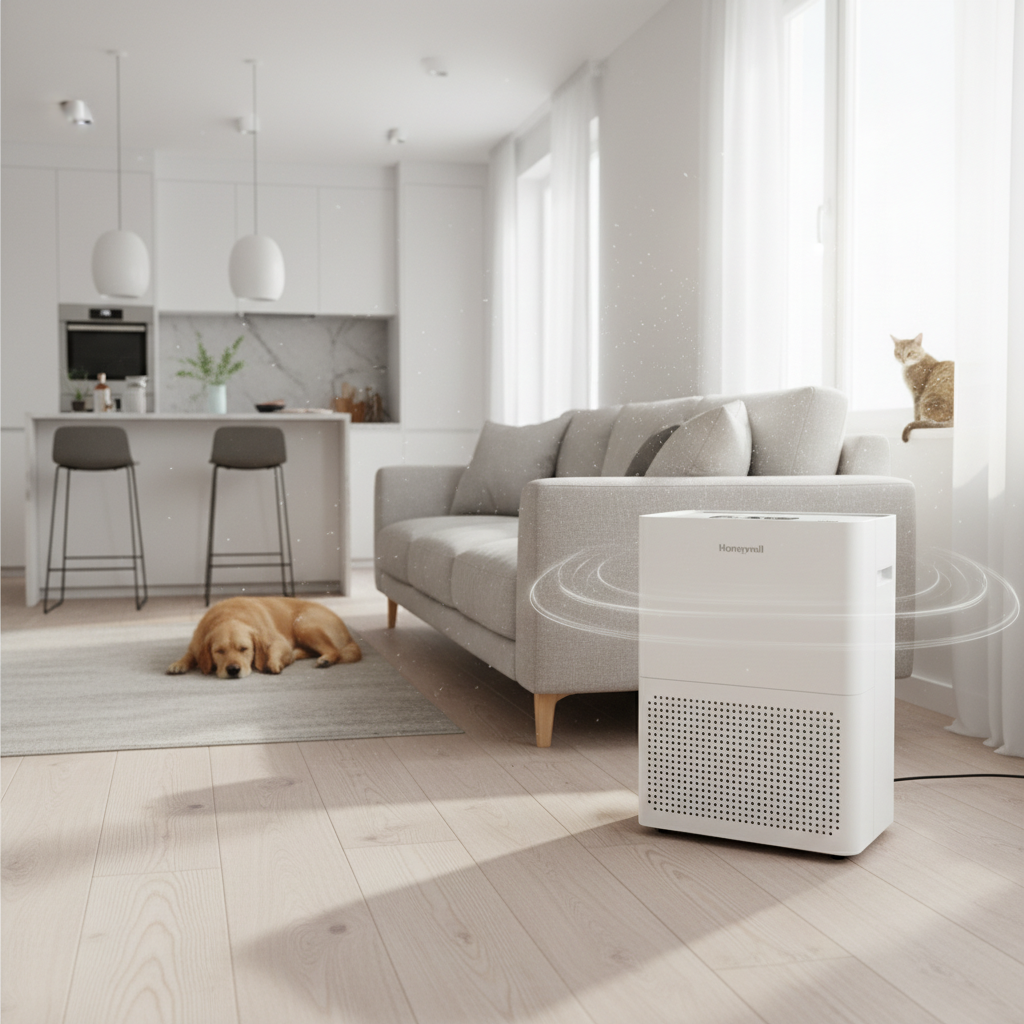
In today’s world, where indoor air quality is an increasing concern, air purifiers have become indispensable appliances in many homes and offices. They diligently work to remove pollutants, allergens, and odors, creating a healthier living environment for you and your family. However, a common question arises for many prospective buyers and current owners: “How much does an air purifier add to my electricity bill?” It’s a valid concern, as any appliance running continuously contributes to household energy consumption. This comprehensive guide will demystify the electricity costs associated with air purifiers, provide a clear method for calculating these expenses, and offer practical strategies to optimize your unit’s energy usage without compromising the quality of the air you breathe. Let’s delve into understanding and managing the power consumption of these essential devices.
Overview of Air Purifiers
An air purifier is a device designed to remove contaminants from the air in a room, thereby improving indoor air quality. Its basic operating principle involves a fan that draws in ambient air, pushes it through one or more filters, and then circulates the cleaned air back into the space. The effectiveness of an air purifier largely depends on the types and quality of its filters.
Using an air purifier offers numerous benefits. It can significantly reduce airborne allergens like pollen, pet dander, and dust mites, providing relief for allergy and asthma sufferers. Beyond allergens, purifiers tackle volatile organic compounds (VOCs) from cleaning products and furniture, neutralize unpleasant odors from cooking or pets, and capture harmful particulate matter, including smoke. In offices, improved air quality can lead to better concentration and fewer sick days. Ultimately, an air purifier contributes to a healthier, more comfortable indoor environment by constantly working to keep the air fresh and clean.
Common Types of Air Purifiers
Air purifiers utilize various technologies, often in combination, to achieve optimal air filtration. Understanding these types can help you grasp their energy demands.
HEPA Air Purifiers
HEPA (High-Efficiency Particulate Air) filters are the gold standard for trapping airborne particles. They are designed to capture 99.97% of particles as small as 0.3 microns, including dust, pollen, mold spores, and pet dander.
- Pros: Highly effective at removing a wide range of particulate matter.
- Cons: Dense filters require powerful fans to push air through, which can lead to higher energy consumption, especially on higher settings. Filters also need periodic replacement.
- Applications: Ideal for individuals with allergies, asthma, or those living in areas with high particulate pollution.
|
Our Picks for the Best Air purifier in 2026
As an Amazon Associate I earn from qualifying purchases.
|
||
| Num | Product | Action |
|---|---|---|
| 1 | LEVOIT Air Purifier for Home Allergies Pet Hair in Bedroom, Covers Up to 1073 ft² by 56W High Torque Motor, AHAM VERIFIDE, 3-in-1 Filter with HEPA Sleep Mode, Remove Dust Smoke Odor, Core300-P, White |

|
| 2 | Air Purifiers for Home with High Efficiency Filter Up to 1076 Ft² for Pet Hair, Odors, Pollen, Smoke, Compact Air Cleaner with 3 Speeds, Timer, Aroma Quiet 360°Intake Filter, White |
|
| 3 | LEVOIT Air Purifier for Home Bedroom Dorm Room, Smart & Voice Control, AHAM VERIFIED, 3-in-1 Filter With HEPA Sleep Mode, for Pollen, Pollutants, Smoke, Dander, Dust, Core 200S-P, White |
|
| 4 | LEVOIT Air Purifiers for Bedroom Home Dorm, AHAM VERIFIED, 3-in-1 Filter Cleaner With Aroma Pad, Filters Smoke, Allergens, Pet Dander, Odor, Dust, Office, Desktop, Core Mini-P, White |
|
| 5 | KNKA Air Purifier for Home Bedroom Large Room Up to 1,695 Ft² in 1 Hr, HEPA Air Cleaner with Washable Pre-Filter, AHAM VERIFIDE, AQI Display, ECO Mode, Pet Mode for Pets, Dust, Pollen, APH4000 |
|
| 6 | LEVOIT Air Purifier for Home Large Room Up to 1073Ft² with Air Quality Monitor, AHAM VERIFIDE, Smart WiFi, Washable Pre-Filter, HEPA Sleep Mode for Pets, Allergies, Dust, Pollen, Vital 100S-P, White |
|
| 7 | FreAire Air Purifiers for Bedroom Up to 1086 Ft², Air Purifiers for Home with Lights, HEPA Air Purifier Removes Dust Smoke Pollen Dander Smell, for Home/Pets/Bedroom |
|
| 8 | LEVOIT Air Purifiers for Home Large Room Up to 1875 Ft² with Washable Pre-Filter, AHAM VERIFIDE, Air Quality Monitor, HEPA Sleep Mode for Allergies, Pet Hair in Bedroom, Vital 200S-P, White |
|
| 9 | Air Purifiers for Home Large Room Cover Up to 1500 Ft² with True HEPA Filter, 20dB Sleep Mode, 360° Air Intake & Outlet, Air Cleaner for Bedroom Pets, 7 Color Light, HAP604, Bright White |
|
| 10 | Air Purifiers for Home Large Room, Cover Up to 2400 Ft² with True HEPA Filter, Smart Mode, PM2.5 Air Quality Display, 22dB Sleep Mode, Aromatherapy with 2X-Purification & 360°Air Outlet, HAP603 |
|
Activated Carbon Air Purifiers
Activated carbon filters specialize in absorbing gases, odors, and volatile organic compounds (VOCs). They feature a porous structure that traps molecular contaminants.
- Pros: Excellent for odor removal and chemical filtration.
- Cons: Do not effectively remove particulate matter, often used in conjunction with other filters. Carbon filters saturate over time and need replacement.
- Applications: Best for kitchens, homes with pets, smokers, or those concerned about chemical fumes.
Ionizing Air Purifiers
Ionizers release negatively charged ions into the air, which attach to positively charged airborne particles (like dust, pollen, and smoke), making them heavy enough to fall out of the air or stick to surfaces.
- Pros: Can be very energy-efficient as they often use less fan power, and filters may last longer or be washable.
- Cons: Some models may produce ozone, a lung irritant, though many modern units are designed to produce minimal or no ozone. Particles may settle on surfaces, requiring more frequent cleaning.
- Applications: Suitable for general air purification, often as a supplement to mechanical filtration.
UV Air Purifiers
UV-C (ultraviolet-C) light purifiers aim to kill airborne bacteria, viruses, and mold spores by exposing them to germicidal UV-C radiation.
- Pros: Effective against microorganisms, adding a layer of sterilization.
- Cons: Not effective against particles, gases, or odors. The UV lamp needs periodic replacement, and the light itself consumes minimal but continuous energy.
- Applications: Beneficial for those concerned about airborne pathogens, especially during flu seasons or in healthcare settings.
Multi-Technology Air Purifiers
Many modern air purifiers combine several of these technologies to offer comprehensive air cleaning. For instance, a unit might feature a pre-filter, a HEPA filter, an activated carbon filter, and sometimes an ionizer or UV lamp. This layered approach ensures a broader spectrum of pollutant removal.
- Pros: Comprehensive purification against particles, odors, chemicals, and microorganisms.
- Cons: Can be more expensive upfront and potentially have higher overall operating costs due to multiple filter replacements and combined energy draw.
- Applications: Best for those seeking the highest level of indoor air quality and protection against diverse pollutants.
Comparison Table of Air Purifier Types
Choosing the right air purifier involves weighing various factors beyond just the type of filtration. Here’s a comparative overview to help you understand the differences:
| Feature | HEPA Air Purifier | Activated Carbon Air Purifier | Ionizing Air Purifier | UV Air Purifier | Multi-Technology Air Purifier |
|---|---|---|---|---|---|
| Primary Focus | Particles (dust, pollen, pet dander) | Gases, Odors, VOCs | Particles (by electrostatic attraction) | Microorganisms (bacteria, viruses, mold) | Comprehensive (particles, gases, microbes) |
| Efficiency | Very high for particulates (99.97% at 0.3µm) | High for odors and chemicals | Moderate to high for particles (less effective than HEPA) | High for biological contaminants | Very high across all categories |
| Cost (Unit) | Moderate to High | Low to Moderate (often combined) | Low to Moderate | Low to Moderate (often combined) | High |
| Noise Level | Can be higher due to fan power | Variable (depends on fan used) | Generally low (minimal fan reliance) | Variable (depends on fan used) | Variable (can be higher with multiple systems) |
| Filter Lifespan | 6-12 months | 3-6 months (or sooner for heavy odors) | Often washable/permanent (ionizer plate), but pre-filters need replacement | UV lamp 6-12 months | Varies by filter type (multiple replacements) |
| Maintenance Cost | Regular HEPA filter replacement | Regular carbon filter replacement | Cleaning ionizer plates, occasional pre-filter replacement | UV lamp replacement | Multiple filter/lamp replacements |
| Energy Use | Can be higher due to fan power | Variable (depends on fan) | Generally lower | Minimal for UV lamp, variable for fan | Variable, potentially higher with more components |
Key Criteria When Choosing an Air Purifier
Selecting an air purifier requires careful consideration of several factors to ensure it meets your needs efficiently and effectively.
Room Size and Coverage Area
The effectiveness of an air purifier is highly dependent on its ability to circulate and clean the air in a given space. Manufacturers specify a “CADR” (Clean Air Delivery Rate) and a recommended room size (often in square feet or cubic feet). Choosing a unit too small for your room will mean it has to work harder, running at higher fan speeds for longer periods, which significantly increases its electricity consumption. Conversely, a larger unit might effectively clean a smaller room on a lower, more energy-efficient setting. Always match the purifier’s capacity to your room size for optimal performance and energy efficiency.
Filter Types and Pollutant Removal Capability
As discussed, different filters target different pollutants. HEPA filters are crucial for particulate matter, while activated carbon handles gases and odors. UV light and ionizers offer additional benefits against microorganisms. Consider your primary concerns (allergies, odors, viruses) when evaluating filter types. The density of HEPA filters can sometimes demand more fan power, impacting energy usage. Ionizers or UV lights, while consuming some electricity, generally have a smaller impact compared to the main fan motor.
Noise Level of the Unit
Air purifiers often run for extended periods, so noise level is a critical factor, especially for bedrooms or quiet office spaces. Noise is measured in decibels (dB). Look for units with low noise ratings, particularly on their lowest fan settings or “sleep modes.” Generally, higher fan speeds will produce more noise and consume more electricity.
Additional Features
Modern air purifiers come with a host of features designed for convenience and efficiency.
- Dust Sensors: Automatically detect air quality and adjust fan speed, saving energy.
- Timers: Allow you to schedule operation, ensuring the unit runs only when needed.
- Remote Control/Smart Connectivity: Offer convenient control via a smartphone app.
- Child Lock: Prevents accidental changes to settings.
While these features enhance user experience, be aware that Wi-Fi modules or complex sensors draw a small amount of continuous power. Energy-saving modes and auto settings can counteract this by optimizing overall operation.
Brand and Reliability
Reputable brands often offer better quality, performance, and customer support. Look for certifications like ENERGY STAR, which indicates that a product meets strict energy efficiency guidelines. A reliable brand typically provides durable products with effective warranties, which can save you money in the long run on repairs or replacements.
Price and Warranty Policy
The initial purchase price of an air purifier varies widely based on brand, features, and capacity. However, remember to consider the long-term running costs, including electricity and filter replacements. A unit with a lower upfront cost but expensive, frequently replaced filters might be more costly over time. A good warranty policy provides peace of mind and protects your investment against defects.
Understanding and Calculating Electricity Costs
The core of managing your air purifier’s expenses lies in understanding how to calculate its electricity consumption. The calculation is straightforward:
- Find the Wattage (W) of Your Air Purifier: This information is usually listed in the product specifications, on a label on the unit itself, or in the user manual. Note that wattage can vary depending on the fan speed setting. For calculation, use the average wattage for your typical operating speed, or the maximum wattage if you run it at full power often.
- Calculate Daily Kilowatt-Hours (kWh):
Watts (W) x Hours Used Per Day / 1000 = kWh per Day- Example: A 50-watt air purifier running for 24 hours a day:
(50 W x 24 hours) / 1000 = 1.2 kWh per day
- Find Your Local Electricity Rate: This is typically found on your monthly utility bill and is expressed in dollars or cents per kilowatt-hour ($/kWh or p/kWh). Rates vary significantly by region and time of day.
- Calculate Daily, Monthly, or Annual Cost:
kWh per Day x Electricity Rate ($/kWh) = Daily CostDaily Cost x Number of Days in Month (e.g., 30) = Monthly CostDaily Cost x 365 = Annual Cost
Let’s use an example: Suppose you have a 50-watt air purifier running continuously (24 hours a day), and your electricity rate is $0.15 per kWh.
- Daily kWh:
(50 W * 24 hours) / 1000 = 1.2 kWh - Daily Cost:
1.2 kWh * $0.15/kWh = $0.18 - Monthly Cost (30 days):
$0.18/day * 30 days = $5.40 - Annual Cost:
$0.18/day * 365 days = $65.70
As you can see, even running 24/7, the electricity cost for a typical air purifier is relatively modest, often comparable to keeping a few LED light bulbs on continuously.
Buying Guide: How to Choose the Right Air Purifier
Navigating the market for an air purifier can be daunting. This guide will walk you through the process of selecting a model that perfectly suits your home and budget, with an emphasis on energy efficiency.
Determine Usage Needs
Before anything else, identify why you need an air purifier.
- Allergies or Asthma: Look for models with true HEPA filters.
- Pets: Prioritize HEPA and activated carbon filters for dander and odors.
- Smoke (tobacco, wildfire): Strong HEPA and robust activated carbon are essential.
- Chemical Sensitivities: Focus on activated carbon for VOC removal.
- General Air Quality Improvement: A good all-rounder with HEPA and carbon is often sufficient.
Understanding your primary needs will narrow down your options and help you focus on the most relevant features and filter types.
Select the Right Air Purifier Type for Your Room Size
The efficacy and energy consumption of an air purifier are heavily linked to its capacity relative to your room size.
- Measure your room: Calculate the square footage (length x width).
- Check CADR ratings: Ensure the CADR (Clean Air Delivery Rate) is appropriate for your room. A higher CADR means faster cleaning.
- Over-sizing vs. Under-sizing: While an undersized purifier will strain to clean the air, running at high, energy-intensive speeds, an oversized unit can achieve optimal air quality on lower, more efficient settings. It’s often more energy-efficient to get a unit slightly larger than recommended, allowing it to run quietly on lower speeds.
Research Filtration Technologies and Effectiveness
Dig deeper into the specific technologies offered by different models. Don’t just settle for “HEPA-type” filters; seek out “True HEPA” which meets the 99.97% at 0.3 microns standard. Understand how each filter type contributes to your specific air quality goals. Also, consider the combined effect of multi-stage filtration systems and how they impact the overall running costs, including energy and filter replacement. Modern, energy-efficient designs often minimize the energy penalty associated with dense filters.
Compare Different Products on Features, Price, and Brand
Once you have a shortlist, compare models systematically. Look at:
- Wattage: A critical indicator of electricity consumption. Lower wattage generally means lower running costs.
- Fan speeds: Does it offer multiple speeds, including a quiet, low-energy mode?
- Smart features: Auto mode, timers, and air quality sensors can significantly reduce energy waste.
- Filter costs and lifespan: Factor these into your long-term budget.
- Brand reputation: A reliable brand often indicates better product quality and post-purchase support.
Read User Reviews and Ratings
User reviews offer invaluable real-world insights into a product’s performance, durability, noise levels, and actual running costs. Pay attention to comments regarding energy consumption and filter longevity. These can highlight aspects not always covered in manufacturer specifications. Look for patterns in feedback, both positive and negative, to make an informed decision.
Purchase Air Purifiers from Reputable Stores
Buying from authorized dealers or well-known retailers ensures you receive a genuine product, valid warranty, and reliable customer service. Be wary of unusually low prices from unknown sellers, as these might indicate counterfeit products or lack of warranty support. Reputable stores are also more likely to carry ENERGY STAR certified models.
Top Picks: Best Air Purifiers Available Today (By Price Segment)
While specific product recommendations are outside the scope of this guide, we can outline what to look for in different price segments, keeping electricity costs and efficiency in mind.
Budget Segment (Under $100)
In this segment, focus on models that offer essential filtration without excessive features. Look for:
- Low Wattage: Typically under 30W, making them very affordable to run.
- Basic HEPA-style filtration: May not be true HEPA, but still effective for dust and some allergens.
- Manual fan speed control: Less likely to have sophisticated auto modes, so manual adjustment is key to saving energy.
- Compact size: Usually designed for smaller rooms (e.g., bedrooms, small offices).
These units are excellent for individuals looking for basic air cleaning and minimal impact on their electricity bill, often costing less than $5 per month to run continuously.
Mid-Range Segment ($100-$300)
This segment offers a balance of performance, features, and energy efficiency. Expect to find:
- True HEPA and Activated Carbon Filters: Providing more comprehensive filtration.
- ENERGY STAR Certification: A strong indicator of optimized energy use.
- Smart Features: Auto mode with air quality sensors that adjust fan speed dynamically, reducing unnecessary power consumption. Timers and sleep modes are common.
- Moderate Wattage: Often between 30-70W.
- Suitable for medium to large rooms: Better CADR ratings.
Mid-range purifiers typically cost between $5-$15 per month to operate, offering a significant upgrade in air quality and convenience for a reasonable running cost.
Premium Segment (Over $300)
High-end air purifiers boast advanced technologies, robust construction, and extensive features for superior air cleaning. Look for:
- Multi-stage Filtration: Including medical-grade HEPA, extensive activated carbon, and sometimes UV-C or advanced ionization.
- High CADR ratings: Capable of cleaning very large spaces or entire open-plan areas rapidly.
- Advanced Smart Connectivity: Full app control, integration with smart home ecosystems, and detailed air quality reporting.
- Energy-efficient motors: Despite high performance, many premium models prioritize efficient DC motors to keep wattage (often 70-150W) lower than expected for their output.
- Quiet operation: Even at higher speeds, noise levels are typically well-managed.
While the initial investment is higher, premium purifiers often offer the lowest cost per square foot of clean air, with monthly electricity costs ranging from $10-$25, depending on usage and local rates. They provide the ultimate peace of mind regarding indoor air quality and often integrate features that help manage energy expenditure effectively.
Guide to Using and Maintaining Your Air Purifier
Proper usage and regular maintenance are crucial not only for ensuring optimal air quality but also for keeping your air purifier’s electricity costs in check. A well-maintained unit runs more efficiently.
How to Use Your Air Purifier Effectively
To maximize air purification and minimize energy consumption:
- Run it continuously, but wisely: Air pollution is constant, so continuous operation is often recommended. However, use “Auto Mode” if your unit has one. This feature uses air quality sensors to adjust fan speed, running on low when the air is clean and ramping up only when needed, thus saving energy.
- Utilize timers and schedules: If you prefer not to run it 24/7, program it to run during peak activity times or when pollution is highest (e.g., while cooking, during allergy season, or when you’re home).
- Match fan speed to needs: If air quality is generally good, run the purifier on a lower fan speed. Higher speeds use significantly more electricity. Reserve maximum speed for rapid cleaning after activities like cooking or during periods of high outdoor pollution.
- Keep doors and windows closed: Running an air purifier with open windows negates its efforts, allowing more pollutants in and forcing the unit to work harder and consume more energy.
Regular Cleaning and Filter Replacement
This is perhaps the most overlooked aspect of maintaining energy efficiency.
- Pre-filter cleaning: Most units have a washable pre-filter designed to capture larger particles (dust, pet hair). Clean this filter regularly (e.g., every 2-4 weeks) according to the manufacturer’s instructions. A clogged pre-filter restricts airflow, making the main fan work harder and consume more electricity.
- Main filter replacement (HEPA, Activated Carbon): These filters have a finite lifespan. When they become saturated, the fan has to exert more effort to pull air through them, increasing energy consumption by as much as 20%. Replace them as recommended by the manufacturer (typically every 6-12 months for HEPA, 3-6 months for carbon, depending on air quality and usage). Some units have indicator lights that signal when a filter needs changing.
- UV lamp replacement: If your unit has a UV lamp, replace it when recommended, as its germicidal effectiveness diminishes over time.
Important Considerations When Using an Air Purifier
- Placement matters: Position your air purifier in an area with good air circulation, typically away from walls, corners, or furniture that might obstruct airflow. Central placement in a room is often ideal. Avoid placing it directly next to windows or doors, as this can draw in more external pollutants, overworking the unit.
- Avoid using near sources of strong odors or smoke constantly: While air purifiers can handle these, continuous heavy exposure can quickly saturate carbon filters, requiring more frequent (and costly) replacements and potentially higher energy use.
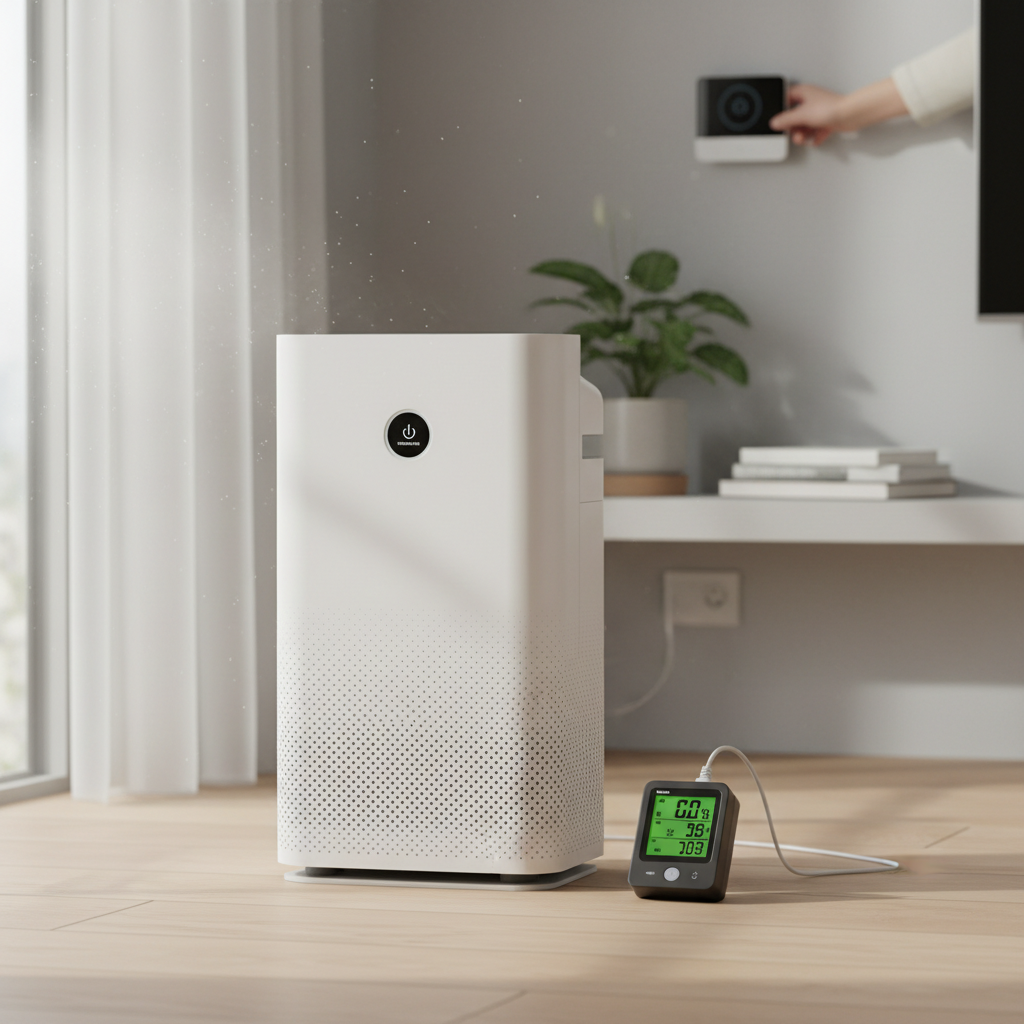
- Monitor air quality: If you have an air quality monitor (either built-in or a separate device), use it to understand the effectiveness of your purifier and make informed decisions about fan speed and runtime.
Conclusion
Understanding the electricity costs of air purifiers doesn’t have to be a mystery. By recognizing the fundamental calculation—wattage multiplied by usage hours and electricity rate—you can easily estimate and manage your expenses. We’ve explored how factors like wattage, fan speed, room size, filter type, and maintenance play crucial roles in your unit’s energy consumption. The good news is that most modern air purifiers are remarkably energy-efficient, often costing no more than a few dollars or pounds per month to run continuously.
Investing in an air purifier is an investment in your health and well-being, providing invaluable benefits like reduced allergens, fewer odors, and cleaner air. With the practical strategies outlined—such as utilizing auto modes, optimizing fan speeds, ensuring proper placement, and performing regular filter maintenance—you can enjoy superior indoor air quality without a