Are you one of the millions who dread the arrival of allergy season, constantly battling sneezing, itchy eyes, and congestion even within the supposed sanctuary of your home? You are not alone. As pollen counts soar and invisible allergens infiltrate our living spaces, finding true relief can feel like an endless quest. But what if there was a powerful ally in your fight against indoor allergens? Investing in the right air purifier can be a game-changer, significantly transforming your indoor air quality and helping you reclaim comfort during the toughest allergy months. This comprehensive guide will walk you through everything you need to know to choose the perfect air purifier, ensuring you and your family can breathe easier, year-round.
General Overview of Air Purifiers
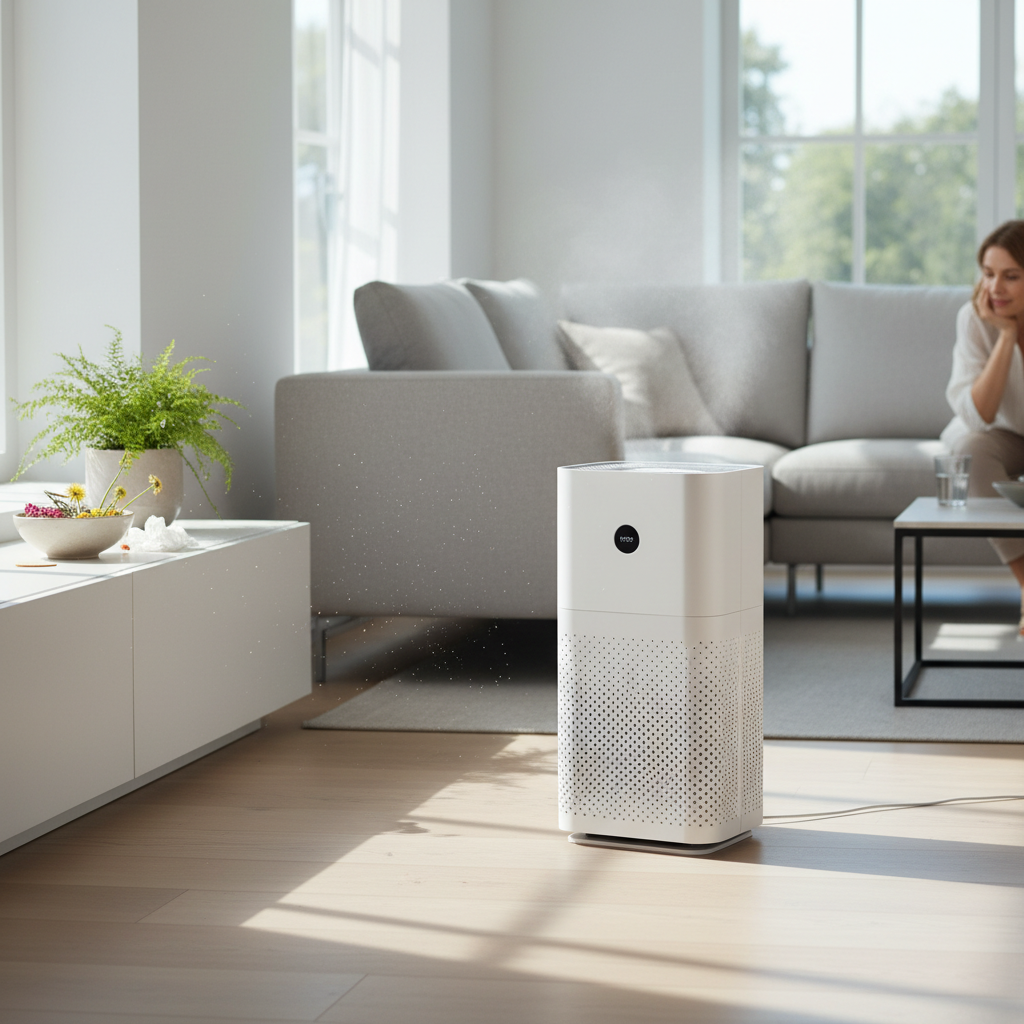
An air purifier is an appliance designed to remove airborne contaminants from a room, improving indoor air quality. It typically works by drawing in air, passing it through a series of filters that capture particles, and then releasing cleaner air back into the room. The basic principle involves a fan and a filtration system, working in tandem to continuously cycle and cleanse the air.
For allergy sufferers, the benefits of using an air purifier are substantial. These devices are specifically engineered to trap common allergens such as pollen, dust mites, pet dander, mold spores, and even certain bacteria and viruses. By actively removing these triggers from the air, air purifiers can drastically reduce the frequency and severity of allergy symptoms, leading to improved sleep, fewer respiratory issues, and a generally healthier home environment. They create a cleaner breathing zone, making your home a true haven during peak allergy season.
Types of Air Purifiers for Effective Allergy Relief
Understanding the different types of air purification technologies is key to selecting the most effective unit for your allergy needs. Each type offers unique advantages and considerations.
HEPA Air Purifiers
High-Efficiency Particulate Air (HEPA) filters are widely regarded as the gold standard for allergy sufferers. A true HEPA filter is proven to capture 99.97% of airborne particles as small as 0.3 microns, including pollen, dust mites, pet dander, and mold spores. This makes them exceptionally effective at removing the most common allergy triggers from your indoor air.
- Advantages: Highly effective against a broad range of allergens, medically recommended for asthma and allergy sufferers, no ozone production.
- Disadvantages: Filters require regular replacement (typically every 6-12 months), which incurs ongoing costs. Not effective against gases, odors, or VOCs on their own.
|
Our Picks for the Best Air purifier in 2026
As an Amazon Associate I earn from qualifying purchases.
|
||
| Num | Product | Action |
|---|---|---|
| 1 | LEVOIT Air Purifiers for Home Large Room Up to 1875 Ft² with Washable Pre-Filter, AHAM VERIFIDE, Air Quality Monitor, HEPA Sleep Mode for Allergies, Pet Hair in Bedroom, Vital 200S-P, White |

|
| 2 | LEVOIT Air Purifier for Home Bedroom Dorm Room, Smart & Voice Control, AHAM VERIFIED, 3-in-1 Filter With HEPA Sleep Mode, for Pollen, Pollutants, Smoke, Dander, Dust, Core 200S-P, White |
|
| 3 | Air Purifiers for Home Large Room Cover Up to 1500 Ft² with True HEPA Filter, 20dB Sleep Mode, 360° Air Intake & Outlet, Air Cleaner for Bedroom Pets, 7 Color Light, HAP604, Bright White |
|
| 4 | LEVOIT Air Purifier for Home Allergies Pet Hair in Bedroom, Covers Up to 1073 ft² by 56W High Torque Motor, AHAM VERIFIDE, 3-in-1 Filter with HEPA Sleep Mode, Remove Dust Smoke Odor, Core300-P, White |
|
| 5 | Air Purifiers for Home Large Room, Cover Up to 2400 Ft² with True HEPA Filter, Smart Mode, PM2.5 Air Quality Display, 22dB Sleep Mode, Aromatherapy with 2X-Purification & 360°Air Outlet, HAP603 |
|
| 6 | FreAire Air Purifiers for Bedroom Up to 1086 Ft², Air Purifiers for Home with Lights, HEPA Air Purifier Removes Dust Smoke Pollen Dander Smell, for Home/Pets/Bedroom |
|
| 7 | Air Purifiers for Home with High Efficiency Filter Up to 1076 Ft² for Pet Hair, Odors, Pollen, Smoke, Compact Air Cleaner with 3 Speeds, Timer, Aroma Quiet 360°Intake Filter, White |
|
| 8 | LEVOIT Air Purifiers for Bedroom Home Dorm, AHAM VERIFIED, 3-in-1 Filter Cleaner With Aroma Pad, Filters Smoke, Allergens, Pet Dander, Odor, Dust, Office, Desktop, Core Mini-P, White |
|
| 9 | LEVOIT Air Purifier for Home Large Room Up to 1073Ft² with Air Quality Monitor, AHAM VERIFIDE, Smart WiFi, Washable Pre-Filter, HEPA Sleep Mode for Pets, Allergies, Dust, Pollen, Vital 100S-P, White |
|
| 10 | KNKA Air Purifier for Home Bedroom Large Room Up to 1,695 Ft² in 1 Hr, HEPA Air Cleaner with Washable Pre-Filter, AHAM VERIFIDE, AQI Display, ECO Mode, Pet Mode for Pets, Dust, Pollen, APH4000 |
|
Activated Carbon Air Purifiers
Activated carbon filters are often found in conjunction with HEPA filters. While HEPA filters tackle particulate matter, activated carbon excels at adsorbing gases, volatile organic compounds (VOCs), chemicals, and odors from the air. This combination is particularly beneficial for households dealing with cooking smells, pet odors, smoke, or urban pollution.
- Advantages: Excellent for removing odors, smoke, chemicals, and VOCs; complements HEPA filtration by addressing non-particulate pollutants.
- Disadvantages: Does not filter particulate allergens effectively on its own; carbon filters also need regular replacement.
Ionizing Air Purifiers
Ionizers work by releasing a stream of negatively charged ions into the air. These ions attach to airborne particles, making them heavier and causing them to fall out of the air onto surfaces. Some advanced models then draw these charged particles back into the unit to be trapped.
- Advantages: Can effectively clear ultrafine particles from the air. Often filter-less or have washable pre-filters, reducing replacement costs.
- Disadvantages: Some ionizers can produce ozone, a lung irritant, which can be harmful, especially for those with respiratory sensitivities. Particles settle on surfaces rather than being permanently removed from the room, requiring more frequent cleaning.
UV-C Air Purifiers
UV-C (ultraviolet-C) technology uses ultraviolet light to destroy airborne microorganisms such as bacteria, viruses, and mold spores. It’s often included as a secondary stage in multi-filtration air purifiers.
- Advantages: Effective at neutralizing airborne germs, bacteria, and viruses, providing an extra layer of sanitation.
- Disadvantages: Does not remove particulate allergens like pollen or dust; UV-C bulbs need periodic replacement; the effectiveness can vary depending on air contact time with the light.
Multi-Technology Air Purifiers
Many modern air purifiers combine several filtration technologies to offer comprehensive air purification. The most common and effective combination for allergy relief includes a pre-filter (for large particles), a true HEPA filter (for allergens), and an activated carbon filter (for odors and VOCs). Some models also integrate UV-C lights or ionizers as additional stages. These systems provide a robust defense against a wider spectrum of indoor air pollutants. For example, some innovative systems like Airfree’s Thermodynamic TSS Technology operate entirely without fans or filters, using heat to destroy microorganisms.
Comparison Table: Common Air Purifier Technologies
| Feature | HEPA Filtered | Activated Carbon | Ionizer | UV-C Light |
|---|---|---|---|---|
| Allergen Removal | Excellent (Pollen, Dust, Pet Dander, Mold Spores) | Poor | Moderate (causes particles to settle) | Poor (doesn’t trap particles) |
| Odor/VOC Removal | Poor | Excellent | Poor | None |
| Germ/Virus Removal | Moderate (traps them) | Poor | Moderate (can attach to them) | Excellent (destroys them) |
| Maintenance Cost | Moderate (filter replacement) | Moderate (filter replacement) | Low (minimal filter replacement, if any) | Low (bulb replacement) |
| Noise Level | Varies (fan-dependent) | Varies (fan-dependent) | Very Low/Silent | Silent |
| Ozone Production | None | None | Potential (check model) | None (if contained) |
| Best For | Allergy/Asthma Sufferers | Odors, Smoke, Chemicals | Ultrafine Particles (with caution) | Germs, Bacteria, Viruses |
Essential Criteria When Choosing an Air Purifier for Allergies
Selecting the right air purifier means considering several critical factors beyond just the filtration type. These criteria ensure the unit is effective, efficient, and fits your specific living situation.
Room Size and CADR (Clean Air Delivery Rate)
The effectiveness of an air purifier largely depends on its ability to clean the air in a given space. The Clean Air Delivery Rate (CADR) measures how quickly an air purifier removes pollutants like smoke, dust, and pollen from a room. A higher CADR indicates faster cleaning. You must ensure the purifier’s CADR rating is appropriate for the size of the room where it will be used. Most manufacturers provide a recommended room size in square feet; aim for a purifier that can cycle the air at least 4-5 times per hour for optimal allergy relief.
Filter Types and Pollutant Removal Capability
As discussed, true HEPA filters are non-negotiable for allergy relief, capable of capturing 99.97% of particles as small as 0.3 microns. Consider models that also include an activated carbon filter if odors, pet smells, or VOCs are a concern in your home. Some devices may boast other filter types or technologies, but always prioritize true HEPA for airborne allergens.
Noise Level
An air purifier often runs continuously, especially during peak allergy season. Therefore, its noise level is a crucial consideration, particularly if it will be placed in a bedroom or quiet living area. Look for models with a low decibel (dB) rating, especially on their lowest fan settings. Many purifiers now offer a “sleep mode” which operates at a whisper-quiet level to avoid disturbing rest.
Additional Features
Modern air purifiers come with a host of convenient features that can enhance user experience and effectiveness:
- Particle Sensors: Automatically detect air quality and adjust fan speed accordingly.
- Timers: Allow you to set specific operating durations.
- Remote Control/Smart Connectivity: Control the unit from your phone, schedule operations, or integrate with smart home systems.
- Filter Change Indicators: Alert you when it’s time to replace filters, ensuring continuous optimal performance.
- Auto Mode: Adjusts settings based on real-time air quality readings.
Brand and Reliability
Choosing a reputable brand with a proven track record in air purification can provide peace of mind regarding product quality, performance, and customer support. Look for brands known for their durable products and effective filtration technologies. Online reviews and professional tests can offer valuable insights into brand reliability.
Price and Warranty
Air purifiers range widely in price, from budget-friendly options to premium smart devices. Consider your budget for both the initial purchase and ongoing filter replacement costs. A good warranty indicates the manufacturer’s confidence in their product. Typically, look for warranties of at least one to two years, covering parts and labor.
Buying Guide: How to Select the Right Air Purifier for Your Needs
Navigating the market for air purifiers can be daunting, but a structured approach can simplify the process and ensure you find the perfect match for your allergy relief.
1. Identify Your Specific Needs
Start by assessing the primary allergy triggers in your home. Do you suffer mostly from pollen? Is pet dander a major issue? Are there strong odors, or are you concerned about mold? Consider who will be using the space—children, the elderly, or individuals with severe asthma might require a more robust filtration system. For instance, families with young children might prefer quiet models with child locks.
2. Match Air Purifier Capacity to Room Size
Measure the square footage of the room where the purifier will be primarily used. Then, select a model with a CADR and coverage area that aligns or exceeds your room size. Remember, opting for a slightly larger capacity can be beneficial, as it allows the purifier to clean the air more rapidly and efficiently.
3. Understand Filtration Technologies and Their Effectiveness
Prioritize air purifiers with true HEPA filters for effective allergen removal. If odors or VOCs are a concern, look for models that combine HEPA with activated carbon filtration. Be cautious with technologies that produce ozone, especially if you or your family members have respiratory issues.
4. Compare Different Models and Features
Once you have a shortlist, compare the specific features, CADR ratings, noise levels, and additional functionalities offered by various models. Consider smart features like air quality sensors and app control if convenience and real-time monitoring are important to you.
5. Read User Reviews and Expert Ratings
Real-world user experiences can provide invaluable insights into a product’s performance and reliability. Check reviews on reputable retail sites and consumer watchdog publications. Pay attention to comments regarding noise levels, filter life, and overall effectiveness for allergy symptoms.
6. Purchase from Reputable Retailers
Always buy your air purifier from authorized dealers or well-known retailers to ensure you receive a genuine product with a valid warranty and access to customer support. This also simplifies the process if you need to return or exchange the unit.
Top Picks: Best Air Purifiers for Allergy Season Relief
Based on effectiveness, features, and user feedback, here are some top air purifiers categorized by price point, known for their prowess in tackling allergy symptoms.
Entry-Level Segment (Under $150 USD approx.)
Air purifiers in this segment typically offer basic HEPA filtration for smaller rooms and are great for bedrooms or offices.
- Levoit Core Mini-P: Compact yet effective for small spaces, featuring a 3-in-1 filtration system (pre-filter, HEPA, activated carbon) to capture common allergens and odors. It’s known for its quiet operation, making it ideal for nightstands.
- Clorox Medium Room True HEPA Air Purifier: A good value option for medium-sized rooms, offering true HEPA filtration to capture dust, pollen, and pet dander effectively.
Mid-Range Segment ($150 – $350 USD approx.)
These models offer improved CADR, more advanced features, and are suitable for medium to large living areas, often incorporating smart technology and quieter operation.
- Honeywell HPA300: Consistently rated highly for large rooms, featuring a powerful two-stage filtration system with carbon pre-filter and multiple HEPA filters, capturing tiny airborne allergens like pet dander and pollen. While simple in features, its core performance is outstanding.
- Coway Airmega AP-1512HH (Mighty): A popular choice for its comprehensive four-stage filtration (pre-filter, deodorizing, True HEPA, vital ion technology) and ability to cover medium-sized rooms effectively. It offers a balance of performance, features like air quality indicator, and relatively quiet operation.
- Blueair Blue Pure 311i Max: Known for its quiet operation and efficient allergen removal for medium to large rooms. It features a combination filter and smart features, including auto mode and a five-color air quality index display.
- Levoit Core 400S: A powerful and efficient model with true HEPA filtration, smart controls, and wide coverage, effectively removing allergens and improving air quality in larger spaces.
Premium Segment (Above $350 USD approx.)
High-end air purifiers often boast superior CADR, advanced multi-stage filtration, smart home integration, and sophisticated design, suited for large open-plan spaces or specific needs like extreme sensitivity.
- Alen BreatheSmart 75i: Designed for very large spaces, it offers robust HEPA filtration, a quiet operation, and customizable panels to blend with home decor. It senses allergens and adjusts automatically.
- Rabbit Air A3: Features a unique six-stage filtration system that can target specific concerns like pet dander or odors, alongside powerful HEPA filtration. It’s known for its sleek design, quiet operation, and smart features.
- Dyson Purifier Big+Quiet Formaldehyde BP04/BP03: While pricier, these units offer strong air purification alongside powerful air circulation and intelligent sensing, effectively removing a range of pollutants including formaldehyde.
Guide to Using and Maintaining Your Air Purifier
To ensure your air purifier provides consistent and optimal allergy relief, proper usage and diligent maintenance are essential.
How to Use Your Air Purifier Effectively
- Strategic Placement: Position the air purifier in the room where you spend the most time, typically a bedroom or living area. Place it on a flat surface, away from walls or furniture that might obstruct airflow.
- Continuous Operation: For peak allergy season, run your air purifier continuously, especially during high pollen days. Many modern units are energy-efficient enough for 24/7 operation.
- Keep Doors and Windows Closed: To prevent outdoor allergens from re-entering, keep windows and doors closed when the air purifier is running.
- Match Fan Speed to Conditions: Use higher fan settings during peak allergen times or when air quality is poor, and switch to a quieter, lower setting for maintenance purification.
- Consider Multiple Units: For larger homes or multi-level living, consider placing several smaller units in different rooms rather than one large unit trying to cover the entire house.
Regular Cleaning and Filter Replacement
The filters are the heart of your air purifier, and their performance directly impacts the unit’s effectiveness.
- Pre-filter Cleaning: Most air purifiers have a washable pre-filter designed to capture larger particles like dust and pet hair. Clean this regularly (e.g., monthly) by vacuuming or washing it, as directed by the manufacturer, to maintain airflow and extend the life of subsequent filters.
- HEPA and Carbon Filter Replacement: True HEPA and activated carbon filters are not washable and must be replaced periodically. Manufacturers typically recommend replacing HEPA filters every 6-12 months and carbon filters every 3-6 months, depending on usage and air quality. Ignoring these recommendations can lead to decreased efficiency, increased energy consumption, and potential re-release of trapped pollutants. Always use genuine replacement filters for optimal performance.
General Care Tips
- Wipe Down Exterior: Regularly wipe the exterior of your air purifier with a soft, damp cloth to remove dust buildup.
- Check Vents: Ensure the air intake and output vents are clear of obstructions.
- Store Properly: If you’re storing the unit for an extended period, clean it thoroughly and store it in a dry, safe place.
“Investing in a good quality air purifier with a true HEPA filter is one of the most proactive steps you can take to mitigate indoor allergy symptoms. Consistent use and timely filter replacements are key to maximizing its benefits.” – Expert Technician, Reviewlized.com
Conclusion
Navigating allergy season doesn’t have to mean constant discomfort and reliance on medication. The right air purifier can be a powerful tool, significantly reducing your exposure to common indoor allergens like pollen, dust mites, and pet dander, thereby transforming your home into a sanctuary of clean air. By understanding the different filtration technologies, prioritizing true HEPA filters, considering factors like CADR and noise level, and committing to regular maintenance, you can make an informed decision that brings lasting relief.
Are you ready to experience the difference clean air can make in your daily life?
Frequently Asked Questions
What is the ideal CADR for an air purifier in a 200 sq ft room?
For a 200 sq ft room, an air purifier with a CADR of at least 130-150 for pollen, dust, and smoke is generally recommended. This ensures the air is cleaned approximately 4-5 times per hour, which is ideal for allergy sufferers.
Can an air purifier help with pet allergies?
Yes, air purifiers with true HEPA filters are highly effective at capturing pet dander, which is a common allergen. Running a HEPA air purifier continuously can significantly reduce airborne pet allergens and alleviate symptoms.
How often should I replace the filters in my air purifier?
The frequency of filter replacement depends on the filter type, usage, and air quality. True HEPA filters typically need replacement every 6-12 months, while activated carbon filters may need it every 3-6 months. Always check your specific model’s manual for recommended intervals.
Do air purifiers use a lot of electricity?
Modern air purifiers are designed to be energy-efficient, especially on lower fan settings or in auto mode. While continuous operation will consume some electricity, the cost is usually minimal compared to the health benefits, and many models are Energy Star certified.
Is an ionizer safe for people with asthma or allergies?
While ionizers can remove particles, some produce ozone, which is a respiratory irritant and can worsen asthma or allergy symptoms. For individuals with sensitivities, it’s generally safer to choose true HEPA air purifiers that do not produce ozone.
Can I use an air purifier in multiple rooms?
For optimal effectiveness, it is best to use one air purifier per room, matched to the room’s size. While you can move a portable unit between rooms, it will only clean the air in the room it’s currently in. For comprehensive coverage, consider multiple units.