Hospitals are sanctuaries of healing, yet they also pose unique challenges for maintaining pristine indoor air quality. Airborne pathogens, chemical fumes, and particulate matter can compromise patient recovery and staff well-being if not properly managed. Investing in the best medical-grade air purifiers is not merely a preference; it is a critical component of infection control and a fundamental commitment to health. These advanced systems go far beyond standard consumer models, offering sophisticated filtration engineered to meet the stringent demands of healthcare environments.
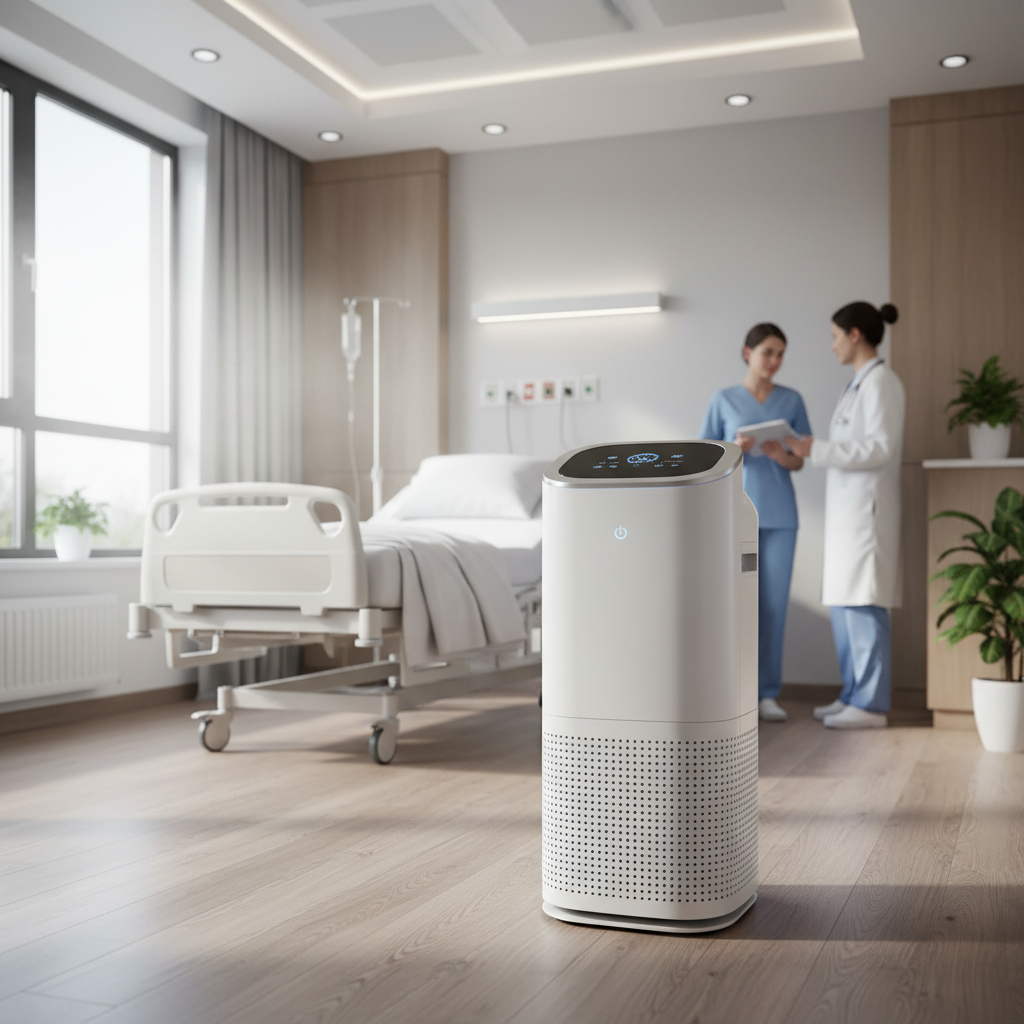
The Critical Role of Air Purifiers in Healthcare Facilities
Medical-grade air purifiers are specialized air filtration systems meticulously designed to meet the rigorous air quality standards required in hospitals, clinics, and other healthcare settings. Unlike typical household purifiers, these units are engineered to combat a broader spectrum of airborne contaminants, including microscopic viruses, bacteria, fungal spores, volatile organic compounds (VOCs), and ultra-fine particulate matter that can pose severe health risks in vulnerable populations.
The primary function of these purifiers in a hospital is to bolster infection control protocols. Healthcare-associated infections (HAIs) remain a significant concern, and airborne transmission plays a crucial role in the spread of many pathogens. By continuously removing harmful particles from the air, medical-grade purifiers help create safer environments for patients, particularly those with compromised immune systems, and protect healthcare workers from occupational exposure. Their high-efficiency filtration reduces the risk of cross-contamination in critical areas like operating rooms, intensive care units, and isolation wards, thereby contributing to better patient outcomes and a healthier working atmosphere.
Understanding Medical-Grade Air Purifier Technology
The effectiveness of a medical-grade air purifier hinges on its sophisticated filtration technologies, often integrated into multi-stage systems to address various types of airborne pollutants.
HEPA Filtration: The Gold Standard
High-Efficiency Particulate Air (HEPA) filtration is the cornerstone of medical-grade air purification. A true HEPA filter captures 99.97% of airborne particles as small as 0.3 microns. However, medical-grade applications typically demand even higher standards:
- H13 HEPA filters capture at least 99.95% of particles down to approximately 0.1 microns.
- H14 HEPA filters boast an impressive efficiency of 99.995% for particles as small as 0.1 microns.
- HyperHEPA filters (a proprietary term) can even capture particles down to 0.003 microns, including ultra-fine aerosols, providing superior protection against the smallest viruses and bacteria.
|
Our Picks for the Best Air purifier in 2026
As an Amazon Associate I earn from qualifying purchases.
|
||
| Num | Product | Action |
|---|---|---|
| 1 | FreAire Air Purifiers for Bedroom Up to 1086 Ft², Air Purifiers for Home with Lights, HEPA Air Purifier Removes Dust Smoke Pollen Dander Smell, for Home/Pets/Bedroom |

|
| 2 | Air Purifiers for Home with High Efficiency Filter Up to 1076 Ft² for Pet Hair, Odors, Pollen, Smoke, Compact Air Cleaner with 3 Speeds, Timer, Aroma Quiet 360°Intake Filter, White |
|
| 3 | LEVOIT Air Purifier for Home Allergies Pet Hair in Bedroom, Covers Up to 1073 ft² by 56W High Torque Motor, AHAM VERIFIDE, 3-in-1 Filter with HEPA Sleep Mode, Remove Dust Smoke Odor, Core300-P, White |
|
| 4 | LEVOIT Air Purifier for Home Large Room Up to 1073Ft² with Air Quality Monitor, AHAM VERIFIDE, Smart WiFi, Washable Pre-Filter, HEPA Sleep Mode for Pets, Allergies, Dust, Pollen, Vital 100S-P, White |
|
| 5 | LEVOIT Air Purifiers for Home Large Room Up to 1875 Ft² with Washable Pre-Filter, AHAM VERIFIDE, Air Quality Monitor, HEPA Sleep Mode for Allergies, Pet Hair in Bedroom, Vital 200S-P, White |
|
| 6 | Air Purifiers for Home Large Room Cover Up to 1500 Ft² with True HEPA Filter, 20dB Sleep Mode, 360° Air Intake & Outlet, Air Cleaner for Bedroom Pets, 7 Color Light, HAP604, Bright White |
|
| 7 | KNKA Air Purifier for Home Bedroom Large Room Up to 1,695 Ft² in 1 Hr, HEPA Air Cleaner with Washable Pre-Filter, AHAM VERIFIDE, AQI Display, ECO Mode, Pet Mode for Pets, Dust, Pollen, APH4000 |
|
| 8 | LEVOIT Air Purifier for Home Bedroom Dorm Room, Smart & Voice Control, AHAM VERIFIED, 3-in-1 Filter With HEPA Sleep Mode, for Pollen, Pollutants, Smoke, Dander, Dust, Core 200S-P, White |
|
| 9 | Air Purifiers for Home Large Room, Cover Up to 2400 Ft² with True HEPA Filter, Smart Mode, PM2.5 Air Quality Display, 22dB Sleep Mode, Aromatherapy with 2X-Purification & 360°Air Outlet, HAP603 |
|
| 10 | LEVOIT Air Purifiers for Bedroom Home Dorm, AHAM VERIFIED, 3-in-1 Filter Cleaner With Aroma Pad, Filters Smoke, Allergens, Pet Dander, Odor, Dust, Office, Desktop, Core Mini-P, White |
|
These filters are crucial for trapping dust, pollen, pet dander, mold spores, and, most importantly, airborne bacteria and viruses that can proliferate in healthcare settings.
Activated Carbon Filters: Eliminating Odors and VOCs
Beyond particulate matter, hospitals often contend with a range of gaseous pollutants. Activated carbon filters play a vital role in adsorbing these harmful substances. Made from highly porous carbon, these filters have a vast surface area that chemically binds to gas molecules. They are essential for removing:
- Volatile Organic Compounds (VOCs): Emitted from disinfectants, cleaning agents, building materials, and laboratory chemicals.
- Noxious Odors: Common in healthcare environments, these can be distressing for patients and staff.
- Chemical Fumes: From medical procedures and sterilization processes.
Integrating an activated carbon stage ensures a comprehensive approach to air purification, addressing both solid particles and gaseous contaminants.
UV-C Germicidal Irradiation: A Powerful Disinfectant
Ultraviolet-C (UV-C) germicidal irradiation technology is frequently incorporated into medical-grade air purifiers as an additional layer of defense against living microorganisms. UV-C light, when emitted at specific wavelengths (around 254 nm), has the ability to penetrate the cell walls of viruses, bacteria, and mold spores, damaging their DNA or RNA and rendering them inactive. This effectively sterilizes captured pathogens, preventing their proliferation within the filter itself and providing an extra layer of biocontainment. For maximum effectiveness, the UV-C lamps must be germicidal and strategically positioned to ensure sufficient exposure time for airborne microbes passing through the system.
Multi-Stage Filtration Systems
Most effective medical-grade air purifiers employ a multi-stage filtration process for optimal performance. This typically includes:
- Pre-filter: Captures larger particles like dust and hair, protecting the more delicate HEPA filter and extending its lifespan.
- Medical-grade HEPA filter (H13 or H14): Targets microscopic airborne particles, including bacteria and viruses.
- Activated Carbon filter: Tackles gaseous pollutants, odors, and VOCs.
- UV-C lamp (optional but recommended): Inactivates remaining microorganisms as air passes through the unit.
This layered approach ensures that a wide array of airborne threats is effectively neutralized, providing the highest level of air purity possible.
Essential Standards and Certifications for Hospital Air Purifiers
For hospitals, selecting an air purifier isn’t just about features; it’s about compliance with stringent industry standards and certifications that guarantee performance and safety.
MERV Ratings: A Key Metric for Filtration Efficiency
The Minimum Efficiency Reporting Value (MERV) rating assesses a filter’s ability to capture airborne particles between 0.3 and 10 microns. The higher the MERV rating, the more efficient the filter.
- MERV 13 is the minimum recommended for many semi-restricted medical spaces, such as nursing facilities and Class A surgery rooms.
- MERV 14 or higher, often equivalent to HEPA filtration, is recommended or required for critical patient areas like operating rooms and inpatient care facilities, protecting patients from airborne pathogens.
- The MERV-A rating is a more accurate indicator of a filter’s sustained efficiency over time, making it a valuable consideration for healthcare facilities.
ASHRAE Standard 170: Guiding Healthcare HVAC
ASHRAE Standard 170 provides specific ventilation requirements for healthcare facilities, including guidelines for air changes per hour (ACH), pressure relationships, temperature, and humidity. While these standards primarily apply to integrated HVAC systems, standalone medical-grade air purifiers can supplement existing ventilation, especially in areas needing enhanced air changes or localized filtration. These purifiers are crucial for maintaining required air quality levels and preventing the spread of contaminants between different zones within a hospital.
ISO Cleanroom Standards (ISO 14644-1)
International Organization for Standardization (ISO) 14644-1 outlines classes of air cleanliness in cleanrooms, often referenced in highly critical medical environments:
- ISO Class 5: Equivalent to a Class 100 cleanroom, allowing a very low concentration of particles.
- ISO Class 6 and 7: Used for areas requiring less stringent but still highly controlled air quality.
Medical-grade air purifiers designed for hospitals should ideally meet or exceed these standards for particle counts in their specified coverage areas, particularly in surgical suites and sterile processing departments.
Other Important Certifications and Features
A true medical-grade air purification system should also feature:
- Low Leakage Design: Ensures all air passes through the filters, preventing bypass of contaminants.
- System Testing: The entire system, not just the filter, should be tested and certified for its particle removal efficiency.
- High Airflow (CADR): A high Clean Air Delivery Rate (CADR) indicates how quickly the purifier cleans a room of specific pollutants, ensuring rapid air changes.
Choosing the Right Medical Grade Air Purifier for Your Hospital
Selecting the appropriate medical-grade air purifier involves a careful evaluation of specific hospital needs and the technical specifications of available units.
Room Size and CADR (Clean Air Delivery Rate)
The purifier’s capacity must match the size of the room it needs to clean. Calculate the room’s square footage and look for a unit with a Clean Air Delivery Rate (CADR) that can achieve the desired number of air changes per hour (ACH). For critical hospital areas, high ACH rates (e.g., 6-12 ACH or more) are often required to ensure rapid removal of airborne pathogens.
Filtration Efficacy and Particle Capture
Prioritize units equipped with H13 or H14 HEPA filters at a minimum. Consider systems with HyperHEPA technology for superior capture of ultra-fine particles. Ensure the presence of robust activated carbon filters for effective VOC and odor removal, especially in laboratories, pharmacies, or areas with chemical usage. A multi-stage system combining these technologies, often with UV-C germicidal irradiation, offers the most comprehensive protection.
Noise Levels: Balancing Performance and Patient Comfort
While powerful filtration is essential, excessive noise can be detrimental to the healing environment. In patient rooms, ICUs, and quiet recovery areas, selecting purifiers with low operational noise levels and adjustable fan speeds is crucial for patient comfort and staff concentration. Manufacturers often provide decibel ratings, which should be reviewed carefully.
Advanced Features and Smart Controls
Modern medical-grade air purifiers offer features that enhance usability and facility management:
- Sensors: Real-time air quality monitoring with integrated particle and VOC sensors.
- Remote Monitoring and Control: Wi-Fi connectivity and mobile apps allow facility managers to monitor and adjust units across multiple locations without physical presence.
- Timer and Programmable Settings: For scheduled operation and energy efficiency.
- Negative/Positive Pressure Capabilities: Essential for creating isolation rooms (negative pressure for infectious patients) or sterile environments (positive pressure for protective environments).
Durability, Maintenance, and Cost of Ownership
Hospital environments demand robust equipment. Look for units made with durable, easy-to-clean materials. Evaluate the filter replacement frequency and cost, as this constitutes a significant ongoing expense. Some systems offer longer-lasting filters, which can reduce maintenance burden and operational costs. Consider the manufacturer’s warranty and the availability of local service and support.
Reputable Brands and Manufacturer Support
Choose purifiers from manufacturers with a proven track record in the healthcare sector. Reputable brands often provide detailed performance data, adherence to relevant standards, and comprehensive customer support, including technical assistance and filter supply.
Implementing and Maintaining Hospital Air Purification Systems
Effective air purification in a hospital extends beyond simply purchasing the right equipment; it involves strategic implementation and diligent maintenance.
Strategic Placement for Maximum Impact
Air purifiers should be strategically deployed in areas where infection risk is highest or where air quality is most critical. This includes:
- Operating Rooms and Surgical Suites: To maintain sterility and protect open wounds.
- Intensive Care Units (ICUs) and Critical Care Environments: For vulnerable patients.
- Isolation Rooms: To contain airborne infectious diseases (often requiring negative pressure systems).
- Patient Rooms and Wards: To improve general air quality and reduce pathogen circulation.
- Waiting Areas and Reception Zones: To protect visitors and staff from community-acquired infections.
- Laboratories and Pharmacies: To remove chemical fumes and maintain clean conditions.
Understanding airflow patterns within each space can help optimize purifier placement for maximum coverage and efficiency.
Regular Filter Replacement and System Maintenance
The performance of any air purifier diminishes over time as filters become loaded with contaminants. Adhering to manufacturer guidelines for regular filter replacement is paramount. Failure to do so can lead to reduced efficiency, increased energy consumption, and even the re-release of trapped pollutants. Furthermore, periodic professional servicing of the entire system ensures optimal operation, checks for seals and leakage, and confirms that all components are functioning correctly.
Integration with Existing HVAC Systems
Medical-grade air purifiers can work in conjunction with a hospital’s central HVAC system. While HVAC systems provide general ventilation, standalone or portable air purifiers offer localized, enhanced filtration precisely where it’s needed most. Some purifiers are designed to integrate directly into existing ductwork (in-duct systems), while others function as highly effective freestanding units. A hybrid approach, combining central HVAC with supplementary portable units, often provides the most comprehensive and flexible solution for hospital air quality management.
Conclusion
The importance of superior indoor air quality in hospitals cannot be overstated. Medical-grade air purifiers are indispensable tools in the fight against airborne pathogens, chemical pollutants, and allergens, directly contributing to the safety and well-being of patients and healthcare professionals alike. By understanding the core technologies, adhering to stringent standards, and carefully considering key selection criteria, hospitals can make informed decisions that ensure the purest possible air for healing and health. Investing in these advanced filtration systems is a proactive measure that underscores a hospital’s commitment to delivering exceptional care and maintaining a truly healthy environment.
What steps will your facility take to elevate its air quality standards and protect its most vulnerable occupants?
Frequently Asked Questions
What is the difference between “True HEPA” and “Medical Grade HEPA”?
“True HEPA” typically refers to filters that capture 99.97% of particles 0.3 microns or larger. “Medical Grade HEPA” usually implies a higher standard, such as H13 (99.95% at 0.1 microns) or H14 (99.995% at 0.1 microns), often with additional system-level certifications for low leakage and overall performance suitable for clinical environments.
Can a regular air purifier be used in a hospital?
No, a regular consumer-grade air purifier is generally not suitable for hospital use. Hospitals require purifiers that meet strict medical-grade standards, including higher efficiency HEPA filters (H13/H14 or better), robust activated carbon for VOCs, potentially UV-C sterilization, and adherence to specific air change rates and leakage controls, which standard units do not provide.
How often should filters in a medical-grade air purifier be changed?
Filter replacement frequency depends on the specific model, filter type, and the level of air pollution. Typically, pre-filters might need changing every 1-3 months, HEPA filters every 6-12 months, and activated carbon filters every 6-12 months. Hospitals, with higher contaminant loads, may require more frequent changes. Always follow the manufacturer’s recommendations.
Do medical-grade air purifiers remove viruses?
Yes, high-efficiency medical-grade air purifiers equipped with H13 or H14 HEPA filters (or even HyperHEPA) are highly effective at capturing airborne viruses and bacteria. Many viruses, though tiny, often travel on larger airborne particles or droplets that these advanced filters can trap. Additionally, integrated UV-C light further inactivates these pathogens.
What is MERV rating and why is it important for hospitals?
MERV (Minimum Efficiency Reporting Value) rating indicates a filter’s ability to capture particles from 0.3 to 10 microns. For hospitals, MERV ratings are crucial because they dictate the level of particulate filtration required for different areas. MERV 13 or 14 is often specified for critical zones to minimize the spread of airborne contaminants and protect patient health.