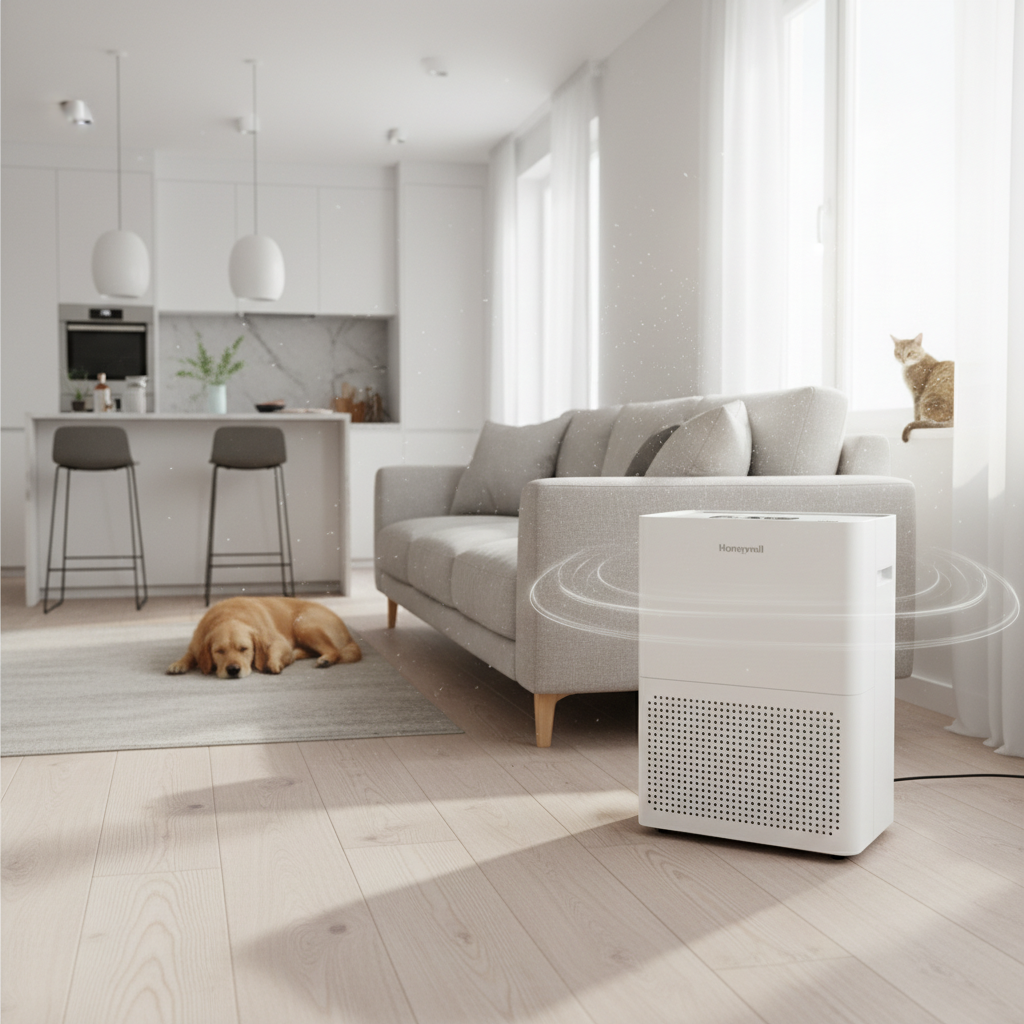
Imagine an air purifier that not only cleans your indoor environment but actively breathes with you, transforming pollutants into fresh oxygen. This isn’t a sci-fi fantasy; it’s the groundbreaking reality of algae-based living air purifiers, a revolutionary technology poised to redefine how we approach clean air. As indoor air quality becomes an increasingly critical concern, with pollutants often exceeding outdoor levels, these natural, sustainable solutions offer a compelling alternative to conventional filtration systems. Are you ready to discover how the microscopic world of algae is leading the charge toward a healthier, greener future for the air we breathe?
An Overview of Algae-Based Air Purifiers
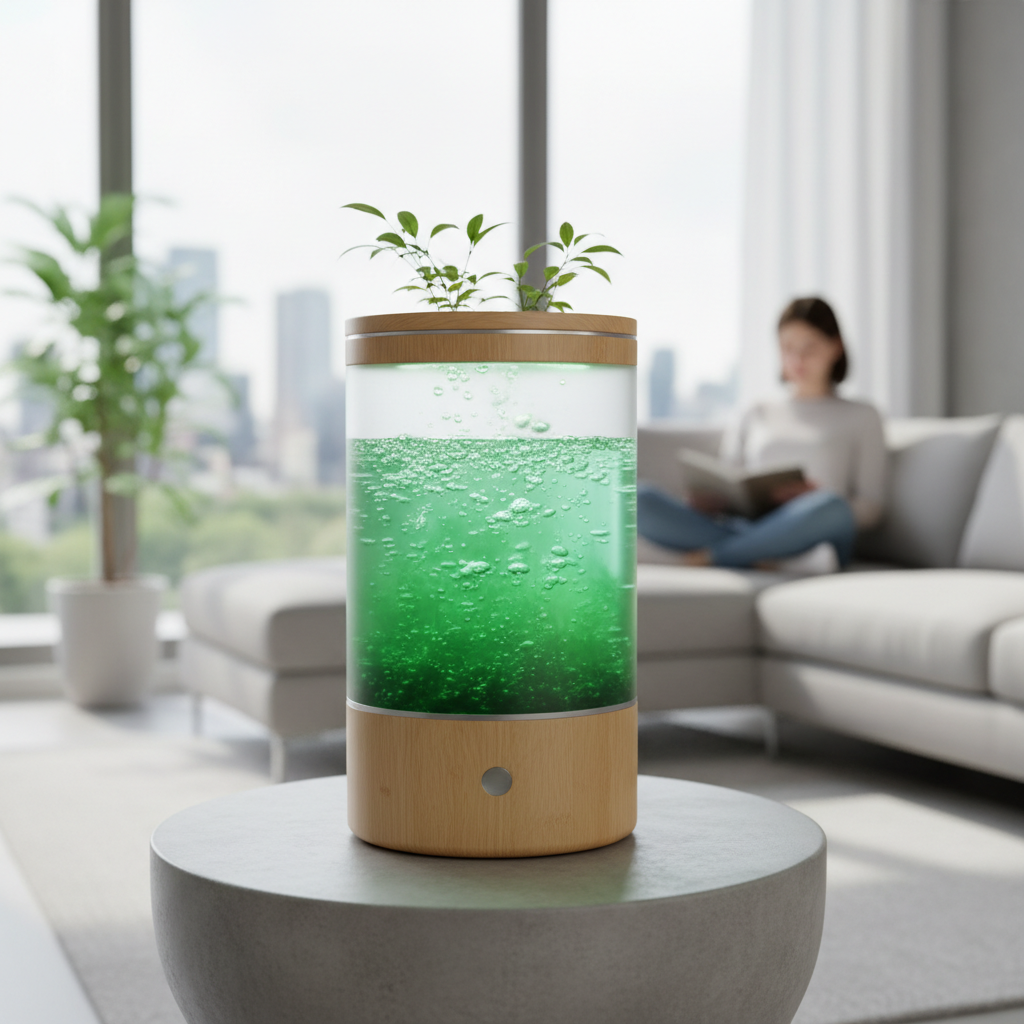
Algae-based air purifiers represent a fundamental shift from mechanical filtration to biological air treatment. At their core, these innovative devices utilize living microalgae cultures, housed within specialized containers known as photobioreactors, to actively clean and enrich indoor air. The principle behind their operation is elegantly simple yet incredibly powerful: photosynthesis.
Through photosynthesis, microalgae absorb carbon dioxide (CO2) from the surrounding air and, in turn, release pure oxygen. This natural process is not merely a passive filtration but a transformative biological conversion. What makes algae particularly remarkable for air purification is their unparalleled efficiency; research indicates that microalgae can capture CO2 at rates 10 to 50 times faster than traditional terrestrial plants. This makes them exceptionally effective for improving air quality in confined spaces like homes, offices, and even large urban buildings.
The benefits extend beyond just CO2 reduction. These living purifiers also tackle a spectrum of harmful airborne pollutants, including volatile organic compounds (VOCs), particulate matter (PM2.5), nitrogen oxides (NOx), sulfur oxides (SOx), dust, pollen, pet dander, and even certain bacteria and viruses. By actively metabolizing these contaminants and simultaneously generating oxygen, algae-based systems offer a dual-action approach that not only purifies but also revitalizes the atmosphere, fostering a healthier and more sustainable living environment.
How Algae-Based Air Purifiers Work: The Bioreactor Explained
The science behind algae-based air purifiers lies in their sophisticated photobioreactor technology. These systems are essentially miniature ecosystems, meticulously engineered to optimize the growth and air-purifying capabilities of microalgae.
A typical algae air purifier consists of a transparent chamber, often made of glass or polymer tubes, filled with a nutrient-rich water solution where the algae thrive. LED lights provide the necessary energy source for photosynthesis, mimicking natural sunlight. As indoor air is circulated through this bioreactor, several critical processes occur:
- Pollutant Absorption: The microalgae, such as Spirulina or Chlorella, readily absorb carbon dioxide (CO2), which is their primary food source. Additionally, other gaseous pollutants like VOCs, NOx, and SOx dissolve into the nutrient solution and are metabolized by the algae.
- Particulate Trapping: While the primary mechanism is biological, many algae-based purifiers also incorporate elements that help trap particulate matter like dust, pollen, and PM2.5 as the air passes through the water. Some systems may include supplementary mechanical filters for enhanced particulate removal, though the algae itself plays a significant role.
- Oxygen Production: As the algae perform photosynthesis, they convert the absorbed CO2 and light energy into organic matter for growth, releasing fresh, clean oxygen back into the environment as a byproduct.
- Biomass Creation: The growing algae form biomass, which can be harvested when the system reaches the end of its cycle. This biomass isn’t waste; it’s a valuable resource that can be repurposed into organic fertilizer, biofuels, nutritional supplements, or even bioplastics, contributing to a circular economy.
This continuous biological filtration and regeneration cycle differentiates algae purifiers from traditional systems, which typically rely on passive filters that need frequent replacement and disposal. The result is a self-sustaining, eco-friendly approach to maintaining pristine indoor air quality.
Beyond Filtration: The Multifaceted Benefits of Living Purifiers
Algae-based air purifiers offer a spectrum of advantages that extend far beyond simply trapping airborne particles, presenting a holistic solution for modern living.
Environmental Impact
|
Our Picks for the Best Air purifier in 2026
As an Amazon Associate I earn from qualifying purchases.
|
||
| Num | Product | Action |
|---|---|---|
| 1 | LEVOIT Air Purifier for Home Large Room Up to 1073Ft² with Air Quality Monitor, AHAM VERIFIDE, Smart WiFi, Washable Pre-Filter, HEPA Sleep Mode for Pets, Allergies, Dust, Pollen, Vital 100S-P, White |

|
| 2 | LEVOIT Air Purifier for Home Bedroom Dorm Room, Smart & Voice Control, AHAM VERIFIED, 3-in-1 Filter With HEPA Sleep Mode, for Pollen, Pollutants, Smoke, Dander, Dust, Core 200S-P, White |
|
| 3 | KNKA Air Purifier for Home Bedroom Large Room Up to 1,695 Ft² in 1 Hr, HEPA Air Cleaner with Washable Pre-Filter, AHAM VERIFIDE, AQI Display, ECO Mode, Pet Mode for Pets, Dust, Pollen, APH4000 |
|
| 4 | LEVOIT Air Purifier for Home Allergies Pet Hair in Bedroom, Covers Up to 1073 ft² by 56W High Torque Motor, AHAM VERIFIDE, 3-in-1 Filter with HEPA Sleep Mode, Remove Dust Smoke Odor, Core300-P, White |
|
| 5 | Air Purifiers for Home Large Room, Cover Up to 2400 Ft² with True HEPA Filter, Smart Mode, PM2.5 Air Quality Display, 22dB Sleep Mode, Aromatherapy with 2X-Purification & 360°Air Outlet, HAP603 |
|
| 6 | FreAire Air Purifiers for Bedroom Up to 1086 Ft², Air Purifiers for Home with Lights, HEPA Air Purifier Removes Dust Smoke Pollen Dander Smell, for Home/Pets/Bedroom |
|
| 7 | LEVOIT Air Purifiers for Home Large Room Up to 1875 Ft² with Washable Pre-Filter, AHAM VERIFIDE, Air Quality Monitor, HEPA Sleep Mode for Allergies, Pet Hair in Bedroom, Vital 200S-P, White |
|
| 8 | LEVOIT Air Purifiers for Bedroom Home Dorm, AHAM VERIFIED, 3-in-1 Filter Cleaner With Aroma Pad, Filters Smoke, Allergens, Pet Dander, Odor, Dust, Office, Desktop, Core Mini-P, White |
|
| 9 | Air Purifiers for Home Large Room Cover Up to 1500 Ft² with True HEPA Filter, 20dB Sleep Mode, 360° Air Intake & Outlet, Air Cleaner for Bedroom Pets, 7 Color Light, HAP604, Bright White |
|
| 10 | Air Purifiers for Home with High Efficiency Filter Up to 1076 Ft² for Pet Hair, Odors, Pollen, Smoke, Compact Air Cleaner with 3 Speeds, Timer, Aroma Quiet 360°Intake Filter, White |
|
One of the most significant benefits is their positive environmental footprint. Algae are natural carbon sinks, actively contributing to the reduction of greenhouse gases by absorbing CO2. Unlike traditional purifiers that generate waste from disposable filters, algae-based systems produce biomass that can be recycled, embodying a truly circular and sustainable approach. Furthermore, these devices are remarkably energy-efficient, often consuming less power than a standard LED bulb, which translates to a reduced carbon footprint and lower electricity costs.
Health and Well-being
The impact on human health and well-being is profound. By consistently lowering CO2 levels and simultaneously enriching the air with oxygen, these purifiers can lead to tangible improvements:
- Improved Respiratory Health: Reduced particulate matter, VOCs, and other irritants can alleviate symptoms for individuals with allergies, asthma, and other respiratory conditions.
- Enhanced Cognitive Function: Lower CO2 concentrations in indoor spaces have been linked to improved concentration, decision-making, and overall productivity, particularly in office and educational environments.
- Better Sleep Quality: Optimal oxygen levels and reduced pollutants contribute to a more restful sleep experience.
- Humidity Control: Some systems can also help regulate indoor humidity, which can reduce issues like dry skin and respiratory discomfort.
Aesthetic and Design Integration
Algae-based purifiers are not just functional; many are designed to be aesthetically pleasing additions to any space. With their mesmerizing visual display, akin to a living art piece or a modern houseplant, they incorporate biophilic design principles that bring the calming presence of nature indoors. They can be seamlessly integrated into various environments, from compact residential units to large-scale commercial installations, even appearing as living green walls or facades on urban buildings, enhancing both functionality and visual appeal.
“Algae-based purification offers a glimpse into a future where our buildings don’t just consume resources but actively contribute to a healthier planet by cleaning the air we breathe and producing valuable byproducts.” – Kelsey Abernathy, Co-founder and CEO of AlgenAir
Algae vs. Traditional Air Purifiers: A Comparative Look
When considering an air purification solution, understanding the differences between various technologies is crucial. Algae-based purifiers stand apart from conventional systems in several key aspects.
| Feature | Algae-Based Purifiers | HEPA Filter Purifiers | Activated Carbon Purifiers | Ionizing Purifiers | UV-C Light Purifiers |
|---|---|---|---|---|---|
| Primary Mechanism | Photosynthesis, biological conversion | Mechanical filtration (traps particles) | Adsorption (traps gases/odors) | Electrostatic charge (causes particles to stick) | Germicidal irradiation (deactivates microbes) |
| Pollutants Removed | CO2, VOCs, PM2.5, NOx, SOx, odors, some bacteria/viruses | PM2.5, dust, pollen, pet dander, mold spores, bacteria | VOCs, odors, gases, smoke | PM2.5, dust, pollen | Bacteria, viruses, mold (requires direct exposure) |
| Oxygen Production | Yes, continuous | No | No | No | No |
| CO2 Reduction | Yes, significant | No | No | No | No |
| Filter Replacement | Low/None (nutrient refresh, algae biomass harvest) | Regular, costly | Regular, moderate cost | None (collectors need cleaning) | Bulb replacement (every 9-12 months) |
| Byproducts/Waste | Organic biomass (recyclable as fertilizer/biofuel) | Disposable filters (landfill waste) | Disposable filters (landfill waste) | Ozone (potential health risk), charged particles | None (if ozone-free), deactivates microbes |
| Energy Efficiency | High (low power consumption) | Moderate to high | Moderate | Very high (low power) | High |
| Sustainability | Very high (natural, renewable, carbon-negative potential) | Low to moderate (filter waste) | Low to moderate (filter waste) | High (no filters) | Moderate (bulb waste) |
| Aesthetics | Often designed as living art/biophilic decor | Functional, typically appliance-like | Functional, typically appliance-like | Functional, compact | Often integrated into other purifiers |
While traditional purifiers excel at specific tasks—HEPA filters for fine particulates, activated carbon for odors and VOCs—they lack the regenerative and dual-action capabilities of algae-based systems. Algae purifiers not only remove pollutants but fundamentally improve air composition by adding oxygen, making them a truly “living” solution for air quality.
Key Considerations When Adopting Algae-Based Air Purifiers
As with any advanced technology, selecting and integrating an algae-based air purifier requires careful thought to ensure optimal performance and satisfaction.
Room Size and Coverage
Just like conventional purifiers, algae systems are designed for specific coverage areas. It’s crucial to match the purifier’s stated capacity (e.g., up to 150 sq ft) with your room size to achieve effective air purification. Larger spaces or open-plan areas may require multiple units or industrial-scale bioreactor installations.
Algae Type and Specific Pollutant Removal
Different species of microalgae, such as Spirulina maxima or Chlorella vulgaris, may have varying efficiencies in absorbing specific pollutants. While most are effective at CO2 reduction and oxygen production, some might show enhanced capabilities for certain VOCs or particulate matter. Researching the specific claims of a product regarding its algae strain can be beneficial, especially if you have particular air quality concerns.
Light Requirements
Algae thrive on light for photosynthesis. Most consumer-grade algae purifiers come with integrated LED lighting to ensure consistent growth regardless of natural light availability. However, ensuring the device receives adequate light, whether artificial or natural, is vital for its continuous operation and efficacy. Optimal light intensity and spectrum are often controlled by the device’s design.
Maintenance
While often touted as “filter-free,” algae purifiers do require maintenance. This typically involves periodically refreshing the nutrient solution (e.g., every 20-24 days using provided nutrient packets) and ensuring the system is clean to prevent contamination. The algae biomass may also need to be harvested at the end of its lifecycle, which can then be repurposed. Compared to costly and frequent filter replacements of traditional units, this maintenance is generally simpler and more environmentally friendly.
Cost and Longevity
The initial investment for algae-based purifiers can vary. While some compact home units are comparable to mid-range traditional purifiers, larger or more advanced systems may have a higher upfront cost. However, the absence of recurring filter replacement expenses often translates to lower long-term operating costs. The longevity of the system depends on proper care and the quality of its components, including the photobioreactor and circulation pumps.
Leading the Green Revolution: Companies and Innovations
The nascent field of algae-based air purification is rapidly expanding, with several innovative companies leading the charge in bringing this technology to the mainstream.
One notable pioneer is AlgenAir, whose “aerium” is recognized as one of the first consumer air purifiers to leverage algae for indoor CO2 reduction. They have even implemented large-scale commercial installations, such as an impressive 125-gallon Spirulina algae system at the Pittsburgh International Airport, which boasts the photosynthetic capacity of over 5,000 houseplants. This project significantly reduces carbon dioxide and increases oxygen in a high-traffic area, demonstrating the technology’s scalability and impact.
AlGreen offers the “VAYU” algae air purifier, a home-focused solution that emphasizes continuous oxygen production, CO2 absorption, and removal of PM2.5 and harmful toxins. Their VAYU unit claims to reduce CO2 by up to 30% and filter up to 18% of PM2.5 in spaces up to 150 sq ft, all while consuming minimal energy (around 7W).
For urban integration, EcoLogicStudio has introduced the “Aireactor,” an algae-powered air purifier designed to merge biotechnology with architectural design. These systems can function as living green walls, facades, or standalone structures, addressing urban air pollution while enhancing aesthetic appeal and promoting biodiversity.
In regions with severe air quality challenges, such as India, companies like Carbelim are developing specialized solutions. Their “AirForest™” systems utilize advanced tubular photobioreactor architecture and IoT-enabled sensors to monitor various parameters, optimizing microalgae cultivation for maximum efficiency in diverse climatic conditions. Carbelim has reported significant improvements in office environments, with employees reporting enhanced concentration and reduced respiratory-related sick leave after installation.
Other innovators like Bioteos are focusing on specific algae strains like Chlorella vulgaris for effective CO2 and VOC reduction in commercial and public spaces, highlighting the versatility of microalgae in air purification. These companies are not just selling products; they are paving the way for a more sustainable and nature-integrated future for air quality.
The Future Landscape of Algae-Based Air Purification
The trajectory of algae-based air purification points towards a future where living technology is seamlessly integrated into our daily environments, creating healthier and more sustainable spaces.
Scalability and Integration
One of the most exciting prospects is the scalability of these systems. Beyond standalone units, algae bioreactors are being envisioned for integration into urban infrastructure. This includes smart city initiatives where a network of algal purifiers could target high-pollution areas, and architectural elements like building facades that double as living air filters. Furthermore, integrating algae systems directly into building HVAC (heating, ventilation, and air conditioning) systems could revolutionize indoor air quality management on a larger scale, providing continuous purification for entire buildings.
Ongoing Research and Development
The field is still relatively young, and continuous research is crucial for optimizing performance. Scientists are exploring new strains of algae with enhanced pollutant absorption capabilities, improving photobioreactor designs for better light distribution and air circulation, and developing more robust nutrient management systems. The goal is to maximize efficiency, ensure consistency under fluctuating environmental conditions, and broaden the spectrum of pollutants that can be effectively removed.
Addressing Challenges
While the potential is immense, challenges remain. Ensuring consistent performance across varied temperatures, humidity levels, and airflow conditions is critical. Economic viability for widespread adoption is also a key focus, with companies working to make these advanced systems more accessible. Additionally, preventing algal contamination and ensuring proper maintenance to avoid biological hazards are areas of ongoing development, ensuring these living purifiers remain safe and effective for long-term use. The commitment to innovation in these areas suggests a bright future for algae-based solutions.
Maximizing the Efficacy of Your Algae Air Purifier
To ensure your algae-based air purifier performs at its best and provides the cleanest air possible, a few simple practices can make a significant difference.
Optimal Placement
Strategic placement is key. Position your algae purifier in an area with good air circulation, allowing it to efficiently draw in ambient air and distribute purified oxygen. While some models feature integrated lighting, placing the unit where it can also receive some natural, indirect light can further support the algae’s photosynthetic activity. Avoid direct, intense sunlight, which could lead to overheating or excessive algal growth that might overwhelm the system. Consider the primary source of pollutants in your home; placing the purifier near such areas (e.g., a kitchen for cooking fumes, a living room for CO2 from occupants) can enhance its effectiveness.
Regular Maintenance Schedule
Even though algae purifiers are often touted as low-maintenance and filter-free, they are living systems and require periodic care. Adhere strictly to the manufacturer’s recommendations for refreshing the nutrient solution, typically involving the addition of nutrient packets and occasional water changes. Regularly cleaning the exterior of the photobioreactor and any circulation components will prevent dust buildup and ensure optimal light penetration to the algae. Neglecting maintenance can lead to suboptimal performance or, in rare cases, issues with algal health.
Monitoring Air Quality
To truly understand the impact of your algae air purifier, consider using an indoor air quality monitor. These devices can track levels of CO2, VOCs, and PM2.5, allowing you to observe the tangible improvements in your environment. Monitoring helps you verify the purifier’s efficacy and can inform adjustments to its placement or maintenance schedule, ensuring your living air purifier is consistently delivering its best performance.
Conclusion
The future of air purification is undeniably green, and algae-based living air purifiers are at the forefront of this revolution. By harnessing the incredible power of photosynthesis, these innovative devices offer a sustainable, dual-action solution that not only removes a wide range of harmful pollutants but also continuously enriches our indoor spaces with life-giving oxygen. From enhancing our health and cognitive function to providing an eco-friendly alternative to traditional filtration, the benefits are clear. As technology advances and these systems become more integrated into our homes and urban landscapes, we are moving towards a future where every breath is cleaner, fresher, and more in tune with nature.
Are you ready to embrace a new era of clean air and welcome the future of living air purification into your space?
Frequently Asked Questions
How long do algae-based air purifiers last?
The lifespan of an algae-based air purifier’s components, like pumps and lights, is comparable to traditional electronics. The algae itself is a living organism that continuously regenerates through photosynthesis, requiring periodic nutrient replenishment rather than replacement, making the core purification mechanism long-lasting and sustainable with proper care.
Are algae air purifiers safe for homes with pets or children?
Yes, algae-based air purifiers are considered safe for homes with pets and children. Unlike some traditional purifiers that can produce ozone or rely on chemicals, these systems use a natural biological process. The algae are contained within a sealed photobioreactor, preventing direct contact, and the only byproduct released is oxygen.
Can algae purifiers completely replace traditional HEPA filters?
While algae purifiers excel at CO2 removal, oxygen production, and reducing various gaseous and particulate pollutants, their efficiency for ultra-fine particulate matter might be complemented by HEPA filters in highly polluted environments. Many algae purifiers offer a comprehensive solution, but some users might choose to integrate them with existing HEPA systems for maximum protection, especially against specific allergens or pathogens.
What types of pollutants do algae air purifiers effectively remove?
Algae air purifiers are highly effective in reducing carbon dioxide (CO2), volatile organic compounds (VOCs), and particulate matter (PM2.5). They also help mitigate nitrogen oxides (NOx), sulfur oxides (SOx), common allergens like dust and pollen, and can even contribute to reducing airborne bacteria and viruses through their bio-filtration process.
How often do I need to maintain an algae air purifier?
Maintenance for an algae air purifier is generally low compared to traditional units with disposable filters. It typically involves refreshing the nutrient solution every few weeks (e.g., 20-24 days for some models) and occasional cleaning of the device’s exterior. The specific frequency can vary by model, so always follow the manufacturer’s guidelines for optimal performance.