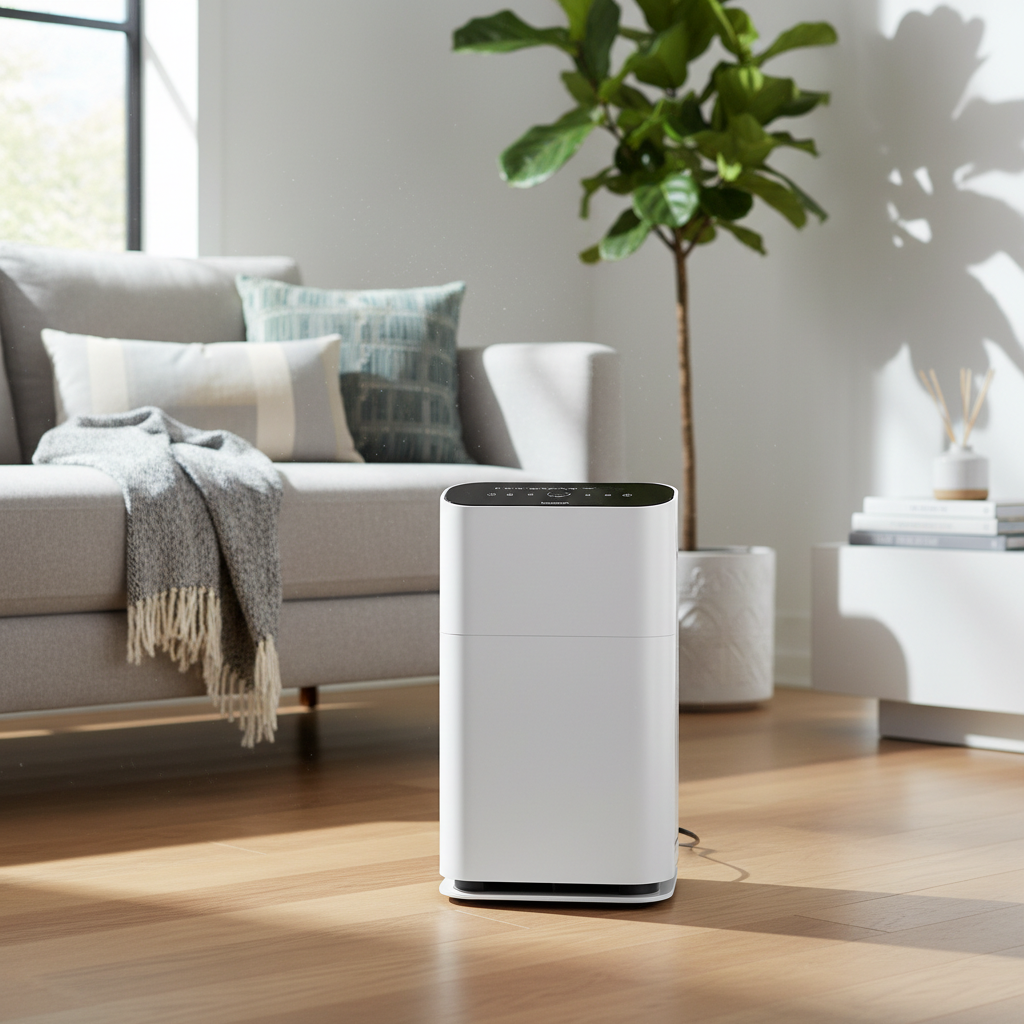
Are you constantly worried about the unseen dangers lurking in your home’s air? It might surprise you, but indoor air can often be far more polluted than the air outside, with invisible threats like formaldehyde contributing significantly to this problem. Formaldehyde, a pervasive volatile organic compound (VOC), off-gasses from everyday items, silently compromising your health and well-being. From new furniture to paints and cleaning products, this chemical is everywhere, making it crucial to understand how to effectively combat its presence.
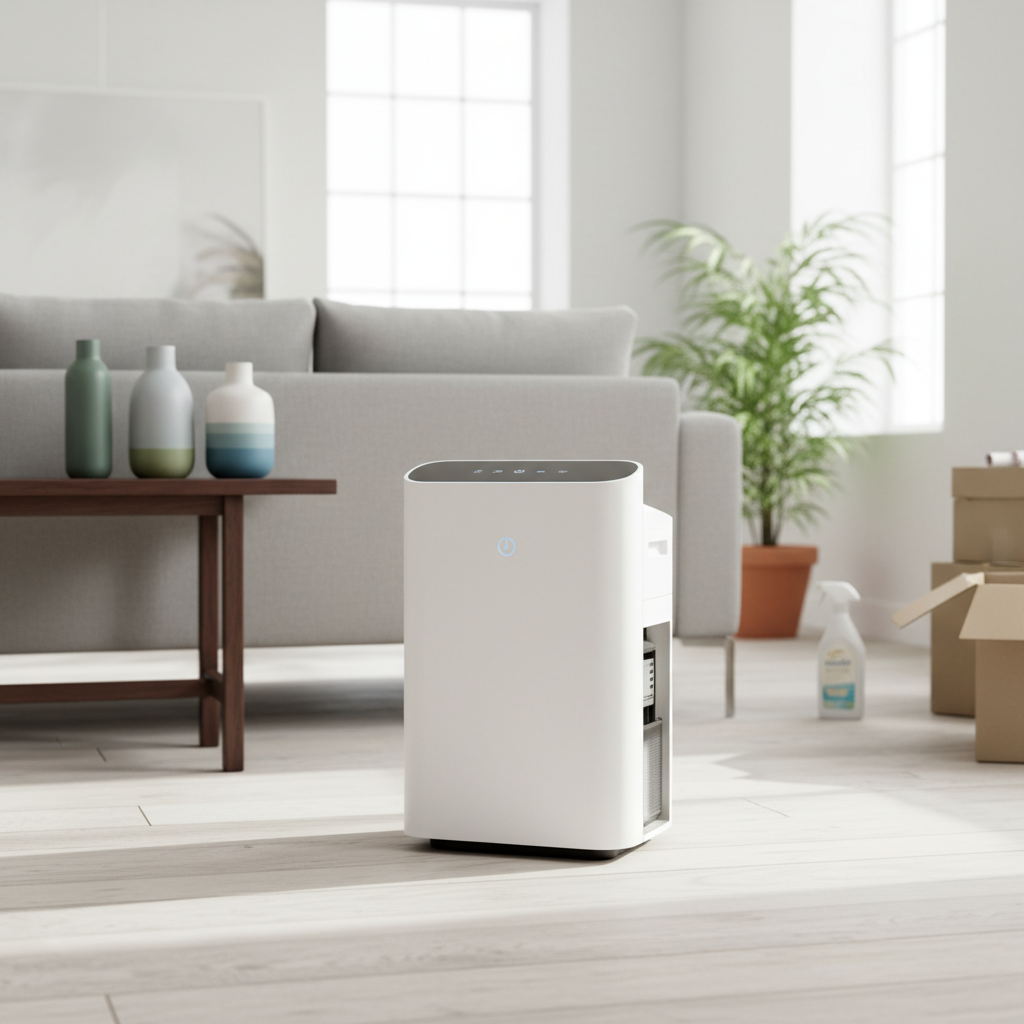
This comprehensive guide will equip you with the knowledge to identify formaldehyde sources, understand its health impacts, and, most importantly, choose the best air purifiers specifically designed to eradicate it from your living spaces. We’ll delve into the science behind effective purification technologies, highlight key factors for making an informed purchase, recommend top-performing models, and provide essential maintenance tips to ensure your air remains consistently clean and safe. Discover how the right air purifier can transform your indoor environment into a haven of clean, breathable air.
Understanding Formaldehyde and Its Impact
Formaldehyde (CH2O) is a colorless, pungent-smelling gas that is a ubiquitous indoor air pollutant. Classified as a volatile organic compound (VOC), it readily evaporates into the air at room temperature. Its widespread presence stems from various sources, making it a common concern for indoor air quality.
This chemical is often found in numerous building materials, including plywood, particleboard, medium-density fiberboard (MDF), and insulation, where it’s used in resins. Household products like paints, varnishes, adhesives, and certain cleaning agents also release formaldehyde. Additionally, combustion sources such as cigarette smoke, gas stoves, and wood-burning fireplaces can introduce formaldehyde into indoor environments. Given these diverse origins, addressing formaldehyde pollution is essential, especially indoors, where concentrations can be higher and exposure prolonged.
Exposure to formaldehyde can have significant health implications, ranging from mild irritation to more severe conditions. Short-term exposure can cause irritation of the eyes, nose, and throat, leading to watery eyes, burning sensations, coughing, and nausea. Individuals with asthma or other respiratory conditions may experience exacerbated symptoms. With prolonged or high-level exposure, formaldehyde is classified as a human carcinogen, linked to certain types of cancer. Protecting your indoor air from this pervasive pollutant is not just about comfort, but about safeguarding long-term health.
How Air Purifiers Tackle Formaldehyde: Key Technologies
Not all air purifiers are created equal when it comes to tackling gaseous pollutants like formaldehyde. Understanding the different filtration technologies is crucial for selecting an effective device. Here’s a breakdown of how various air purifier types address or fail to address formaldehyde.
HEPA Air Purifiers
|
Our Picks for the Best Air purifier in 2026
As an Amazon Associate I earn from qualifying purchases.
|
||
| Num | Product | Action |
|---|---|---|
| 1 | LEVOIT Air Purifiers for Bedroom Home Dorm, AHAM VERIFIED, 3-in-1 Filter Cleaner With Aroma Pad, Filters Smoke, Allergens, Pet Dander, Odor, Dust, Office, Desktop, Core Mini-P, White |

|
| 2 | LEVOIT Air Purifier for Home Large Room Up to 1073Ft² with Air Quality Monitor, AHAM VERIFIDE, Smart WiFi, Washable Pre-Filter, HEPA Sleep Mode for Pets, Allergies, Dust, Pollen, Vital 100S-P, White |
|
| 3 | LEVOIT Air Purifiers for Home Large Room Up to 1875 Ft² with Washable Pre-Filter, AHAM VERIFIDE, Air Quality Monitor, HEPA Sleep Mode for Allergies, Pet Hair in Bedroom, Vital 200S-P, White |
|
| 4 | LEVOIT Air Purifier for Home Allergies Pet Hair in Bedroom, Covers Up to 1073 ft² by 56W High Torque Motor, AHAM VERIFIDE, 3-in-1 Filter with HEPA Sleep Mode, Remove Dust Smoke Odor, Core300-P, White |
|
| 5 | Air Purifiers for Home Large Room Cover Up to 1500 Ft² with True HEPA Filter, 20dB Sleep Mode, 360° Air Intake & Outlet, Air Cleaner for Bedroom Pets, 7 Color Light, HAP604, Bright White |
|
| 6 | Air Purifiers for Home Large Room, Cover Up to 2400 Ft² with True HEPA Filter, Smart Mode, PM2.5 Air Quality Display, 22dB Sleep Mode, Aromatherapy with 2X-Purification & 360°Air Outlet, HAP603 |
|
| 7 | Air Purifiers for Home with High Efficiency Filter Up to 1076 Ft² for Pet Hair, Odors, Pollen, Smoke, Compact Air Cleaner with 3 Speeds, Timer, Aroma Quiet 360°Intake Filter, White |
|
| 8 | KNKA Air Purifier for Home Bedroom Large Room Up to 1,695 Ft² in 1 Hr, HEPA Air Cleaner with Washable Pre-Filter, AHAM VERIFIDE, AQI Display, ECO Mode, Pet Mode for Pets, Dust, Pollen, APH4000 |
|
| 9 | LEVOIT Air Purifier for Home Bedroom Dorm Room, Smart & Voice Control, AHAM VERIFIED, 3-in-1 Filter With HEPA Sleep Mode, for Pollen, Pollutants, Smoke, Dander, Dust, Core 200S-P, White |
|
| 10 | FreAire Air Purifiers for Bedroom Up to 1086 Ft², Air Purifiers for Home with Lights, HEPA Air Purifier Removes Dust Smoke Pollen Dander Smell, for Home/Pets/Bedroom |
|
HEPA (High-Efficiency Particulate Air) filters are the industry standard for removing airborne particles. These dense, fibrous filters are highly effective at trapping microscopic particles such as dust, pollen, pet dander, mold spores, and even bacteria and viruses. While essential for overall air quality, HEPA filters are designed to capture solid particulates, not gaseous chemicals. Therefore, a standalone HEPA air purifier is not effective at removing formaldehyde or other volatile organic compounds.
Activated Carbon Air Purifiers
Activated carbon filters are recognized as one of the most effective methods for removing formaldehyde and other gaseous pollutants. These filters consist of highly porous carbon materials that trap gas molecules through a process called adsorption. When air passes through the activated carbon, formaldehyde molecules adhere to the vast surface area of the carbon granules, effectively removing them from the air. The effectiveness of an activated carbon filter is directly related to the amount and quality of carbon used; filters with a substantial mass of activated carbon (e.g., several pounds) and a large surface area will offer superior and longer-lasting performance. Some activated carbon filters are also impregnated with chemicals like potassium permanganate or manganese dioxide, which chemically react with formaldehyde to break it down, significantly enhancing their removal capabilities.
Ionizing Air Purifiers
Ionizing air purifiers work by releasing charged ions into the air, which attach to airborne particles, causing them to clump together and fall out of the air or be attracted to a collector plate. While they can help reduce particulate matter, they are not designed to remove gaseous pollutants like formaldehyde. A significant concern with some ionizing purifiers is their potential to produce ozone, a respiratory irritant that can be harmful, especially for individuals with asthma. For this reason, it is generally recommended to avoid ionizers when the primary goal is formaldehyde removal.
UV Air Purifiers
UV (Ultraviolet) air purifiers utilize UV-C light to kill airborne microorganisms such as bacteria, viruses, and mold spores. The UV-C light alters the DNA of these pathogens, rendering them inactive. However, UV technology is primarily focused on biological contaminants. It has no direct effect on gaseous chemicals like formaldehyde. While often included as an additional stage in multi-filtration systems, a UV-C light alone will not address formaldehyde pollution.
Photocatalytic Oxidation (PCO) / Catalytic Air Purifiers
Photocatalytic Oxidation (PCO) technology involves a UV light reacting with a catalyst, typically titanium dioxide (TiO2), to create highly reactive hydroxyl radicals and superoxide ions. These powerful oxidizers then break down gaseous pollutants, including formaldehyde, into harmless substances like carbon dioxide and water. Some advanced air purifiers, such as certain Dyson models, incorporate a unique catalytic filter designed to continuously detect and destroy formaldehyde at a molecular level without needing replacement. This chemical decomposition method is highly effective for removing formaldehyde and other volatile organic compounds from the air. The Vitesy Eteria, for instance, utilizes tungsten trioxide (WO3) in its perennial PCO filter to eliminate 99% of formaldehyde in just one hour.
Combined Technology Air Purifiers
The most effective air purifiers for comprehensive indoor air quality often integrate multiple filtration technologies. A typical multi-stage system might include a pre-filter for large particles, a HEPA filter for fine particulates, a substantial activated carbon filter for gases and odors, and sometimes a PCO or catalytic filter for chemical destruction. These integrated systems offer robust protection against a wide spectrum of pollutants, ensuring both particles and gaseous contaminants like formaldehyde are thoroughly addressed, providing the cleanest possible air.
Comparative Table of Formaldehyde Removal Technologies
Understanding which technologies excel at specific types of pollution is crucial. Here’s a detailed comparison to guide your choice:
| Technology | Formaldehyde Removal | Particle Removal | Odor Removal | Pros | Cons |
|---|---|---|---|---|---|
| HEPA | No | Excellent | Limited | Highly effective for allergens, dust, and fine particles | Does not remove gases, VOCs, or formaldehyde |
| Activated Carbon | Excellent | No | Excellent | Traps gases and VOCs like formaldehyde, removes odors | Requires regular filter replacement, adsorption capacity is finite, no particle removal |
| Ionizer | No | Moderate | Some | Quiet operation, can reduce some airborne particles | Can produce ozone (a lung irritant), less effective for gases, particles may settle on surfaces |
| UV-C | No | No | No | Kills bacteria, viruses, and mold spores | Does not remove particles, gases, or formaldehyde |
| PCO/Catalytic | Excellent | No | Excellent | Destroys chemicals like formaldehyde, some filters are perennial | Effectiveness can vary with UV intensity and catalyst, some older PCO may create byproducts |
| Multi-Stage (Carbon+PCO) | Excellent | Excellent | Excellent | Comprehensive protection against both particles and gases | Higher initial cost, more filters to maintain, potentially larger unit size |
Key Considerations When Choosing a Formaldehyde Air Purifier
Selecting the right air purifier for formaldehyde removal requires careful consideration of several factors beyond just brand names. Focusing on specific features will ensure you invest in a unit that genuinely meets your needs.
First, room size and CADR (Clean Air Delivery Rate) are paramount. While CADR typically refers to particulate removal, for gaseous pollutants like formaldehyde, it’s crucial to look for models that specify a formaldehyde CADR or recommend a certain room size based on their gas removal capabilities. A purifier’s coverage area should match your room’s square footage to ensure effective air changes per hour.
Second, the filter type and quantity are the heart of formaldehyde removal. Prioritize air purifiers with thick, high-quality activated carbon filters, ideally those that are impregnated with substances like potassium permanganate for enhanced chemical reaction and adsorption. The sheer volume (weight) of activated carbon is a strong indicator of its effectiveness and longevity. Additionally, consider units that incorporate advanced catalytic or PCO (Photocatalytic Oxidation) technologies, which actively destroy formaldehyde molecules rather than just trapping them.
Third, noise level is a practical consideration, especially if the purifier will be used in bedrooms or quiet study areas. Look for models with low decibel ratings or “sleep modes” that operate quietly without sacrificing significant purification power.
Fourth, additional features can greatly enhance user experience and effectiveness. This includes built-in formaldehyde sensors that provide real-time air quality readings, smart connectivity for remote control and monitoring via an app, and auto modes that adjust fan speed based on detected pollution levels. Filter replacement indicators are also helpful for timely maintenance.
Finally, brand reputation and warranty offer peace of mind. Opt for reputable brands known for their performance and customer support. A good warranty reflects the manufacturer’s confidence in their product’s durability and effectiveness. Considering these criteria will help you navigate the market and select an air purifier that provides robust and reliable formaldehyde removal for a healthier home.
Buying Guide: Finding Your Ideal Formaldehyde Air Purifier
Navigating the market for an air purifier specifically designed to tackle formaldehyde can be daunting. By following a structured buying process, you can confidently select a model that provides optimal protection for your home.
Begin by assessing your specific needs. Consider the primary sources of formaldehyde in your environment – is it new furniture, recent renovations, or continuous off-gassing? Also, factor in any sensitivities within your household, such as the presence of young children, elderly individuals, or those with allergies and respiratory conditions. The size of the room where the purifier will be used is also critical, as it dictates the required capacity of the unit.
Next, prioritize filtration technology. For formaldehyde, your focus should be on air purifiers featuring robust activated carbon filters. Look for specifications indicating a substantial amount (weight) of activated carbon, ideally impregnated with chemicals like potassium permanganate for enhanced adsorption and decomposition. Complementary technologies such as advanced catalytic filters or Photocatalytic Oxidation (PCO) also offer excellent formaldehyde destruction capabilities. Avoid models relying solely on HEPA or ionizing filters for formaldehyde removal.
Thoroughly check product specifications. Beyond general CADR ratings, investigate if the manufacturer provides a specific formaldehyde CADR or mentions the percentage of formaldehyde removed over a certain period. Pay attention to the filter’s expected lifespan and replacement cost, as these contribute significantly to the long-term expense of the unit. Also, consider features like real-time formaldehyde sensors, which allow you to monitor air quality directly.
Read reviews and consult independent lab tests. User experiences can offer valuable insights into a product’s real-world performance, noise levels, and ease of use. Independent certifications or lab tests for formaldehyde removal can verify manufacturer claims and provide an objective assessment of effectiveness.
Balance your budget with long-term costs. While a higher upfront cost might seem daunting, consider the long-term value provided by durable filters, efficient operation, and lower replacement frequency. Factor in the recurring expense of replacement filters, which can vary widely between models.
Finally, always purchase from reputable retailers. This ensures you receive an authentic product, valid warranty, and reliable customer support. A trusted retailer can also offer knowledgeable advice and assist with any post-purchase queries or issues. By carefully considering these steps, you can confidently choose an air purifier that effectively protects your home from the dangers of formaldehyde.
Top Picks: Leading Air Purifiers for Formaldehyde Removal
When it comes to specialized formaldehyde removal, certain air purifiers stand out due to their advanced technology and proven effectiveness. These models often combine robust filtration with smart features to provide superior indoor air quality.
For the Premium Segment, Dyson purifiers are consistently top contenders. Models like the Dyson Purifier Hot+Cool Formaldehyde HP09 and the Dyson HEPA Big+Quiet Formaldehyde BP06 are equipped with dedicated solid-state formaldehyde sensors and unique catalytic filters. These filters continuously detect and destroy formaldehyde molecules, breaking them down into carbon dioxide and water, rather than merely trapping them. Dyson units also typically include HEPA and activated carbon filters for comprehensive particle and odor removal, offering an all-in-one solution with advanced smart features and air quality monitoring. Another premium option is the IQAir HealthPro Plus, renowned for its robust, multi-stage filtration system that includes a substantial activated carbon filter (often containing 5 pounds or more of granular carbon) highly effective against a wide range of VOCs, including formaldehyde.
In the Mid-Range Segment, the Oransi TrueCarbon air purifier is highly regarded. It features a dense, high-quality activated carbon filter, typically over two inches deep and packed with carbon, making it exceptionally effective against tough VOCs, odors, and formaldehyde off-gassing. Similarly, the Austin Air HealthMate Jr. offers a robust solution, combining carbon and zeolite filters (weighing over 6.5 lbs) within its 4-stage filtration system to effectively combat VOCs and gaseous pollutants in smaller to medium-sized rooms.
For those seeking Value Segment options, while dedicated formaldehyde removal in this price range can be less comprehensive, certain models with activated carbon filters offer a good starting point for general VOC reduction. The Winix 5510 includes a carbon filter with 0.5 lbs of carbon pellets, which helps with general VOCs and odors. It’s important to note that for heavy formaldehyde concerns, investing in a mid-range or premium model with more substantial carbon or catalytic technology will yield more significant results.
“When selecting an air purifier for formaldehyde, the quantity and quality of activated carbon, or the presence of advanced catalytic technology, are far more critical than simply having a HEPA filter. These specialized filters are what truly make a difference against gaseous pollutants.” – Dr. Emily Chen, Environmental Health Specialist
Effective Use and Maintenance of Your Air Purifier
To ensure your air purifier consistently provides the best defense against formaldehyde and other pollutants, proper usage and diligent maintenance are key. Neglecting these aspects can significantly reduce its effectiveness and shorten its lifespan.
Optimal placement is crucial for maximizing air circulation and purification. Position your air purifier in a central location within the room where formaldehyde sources are most prevalent, ensuring it’s not obstructed by furniture or walls. Avoiding corners allows for better airflow and more efficient pollutant capture. For larger open-plan areas, consider multiple units or a powerful purifier designed for bigger spaces.
Regular filter replacement is arguably the most critical maintenance task, especially for activated carbon filters. As activated carbon adsorbs formaldehyde and other gases, its capacity becomes saturated over time, rendering it ineffective. The frequency of replacement varies by model and usage, but activated carbon filters typically need changing every 3 to 12 months. Always consult your purifier’s user manual for specific recommendations. For catalytic filters like those in some Dyson models, the advantage is often continuous destruction without the need for replacement, reducing ongoing costs and effort.
Beyond filter changes, routine cleaning of the purifier’s exterior and pre-filters is essential. Pre-filters capture larger dust particles, preventing them from clogging the more delicate HEPA and carbon filters. A clogged pre-filter can restrict airflow, forcing the motor to work harder and reducing overall efficiency. Wipe down the exterior regularly to prevent dust buildup and gently vacuum or wash pre-filters as instructed by the manufacturer.
It’s important to remember that air purifiers work best in conjunction with good ventilation. While an air purifier continuously cleans recirculated indoor air, occasional fresh air exchange through opening windows or using exhaust fans can help reduce overall pollutant levels, particularly in newly renovated spaces with high off-gassing.
Finally, if your air purifier is equipped with smart sensors and app connectivity, utilize these features to monitor your indoor air quality. Tracking formaldehyde levels and seeing the purifier’s real-time performance can provide valuable insights and ensure the unit is operating effectively. Consistent monitoring helps you understand when to adjust settings or replace filters, maintaining optimal air quality.
Conclusion
Formaldehyde, a silent and pervasive indoor pollutant, poses significant health risks from various common sources in our homes. As we’ve explored, specialized air purifiers equipped with advanced filtration technologies are essential tools in mitigating this unseen danger. While HEPA filters excel at capturing particles, effective formaldehyde removal hinges on the power of robust activated carbon, particularly when impregnated, or the destructive capabilities of catalytic and Photocatalytic Oxidation (PCO) systems.
Investing in the right air purifier means understanding these technologies, evaluating crucial buying criteria like filter quality and room coverage, and committing to proper maintenance. By choosing models known for their superior formaldehyde removal, such as those with substantial activated carbon or innovative catalytic destruction, you actively transform your living environment into a healthier, safer space. This decision is not just about cleaner air; it’s about safeguarding the well-being of everyone under your roof.
What steps will you take today to ensure your home’s air is free from hidden dangers?
Frequently Asked Questions
Can HEPA filters remove formaldehyde?
No, HEPA filters are specifically designed to capture particulate matter like dust, pollen, and pet dander. They are not effective against gaseous chemicals such as formaldehyde. For formaldehyde removal, you need filters with activated carbon or catalytic technology.
How often should I replace filters in a formaldehyde air purifier?
Filter replacement frequency varies depending on the specific model, usage, and ambient air quality. However, activated carbon filters, crucial for formaldehyde removal, typically need changing every 3 to 12 months to maintain optimal performance. Always refer to your air purifier’s user manual for precise guidelines.
What is CADR for formaldehyde?
CADR (Clean Air Delivery Rate) traditionally measures how quickly an air purifier removes particulate pollutants like dust, pollen, and smoke. Some advanced purifiers now provide a specific “formaldehyde CADR,” indicating how quickly they can remove gaseous formaldehyde from a room. A higher formaldehyde CADR signifies faster removal.
Can houseplants help remove formaldehyde?
While certain houseplants can absorb very small amounts of formaldehyde from the air through a process called phytoremediation, their capacity is extremely limited. They are generally insufficient to effectively purify a room’s air from significant formaldehyde concentrations compared to a dedicated air purifier.
Are all activated carbon filters equally effective against formaldehyde?
No. The effectiveness of activated carbon filters against formaldehyde varies significantly based on the amount of carbon used, its quality (e.g., surface area and pore structure), and whether it is impregnated with chemicals like potassium permanganate. Impregnated carbon is generally much more effective at both adsorbing and chemically degrading formaldehyde.
Is it safe to use an ionizing air purifier for formaldehyde?
It is generally advisable to avoid ionizing air purifiers if your primary concern is formaldehyde. Ionizers are not effective at removing gaseous formaldehyde, and many models can produce ozone as a byproduct. Ozone is a respiratory irritant and can be harmful to health, especially for individuals with respiratory conditions.
What are the primary sources of formaldehyde indoors?
Formaldehyde is commonly released from various indoor sources. Key contributors include new building materials such as plywood, particleboard, and MDF; new furniture and cabinetry; paints, varnishes, and other finishes; certain cleaning products; and emissions from combustion sources like tobacco smoke and gas stoves.