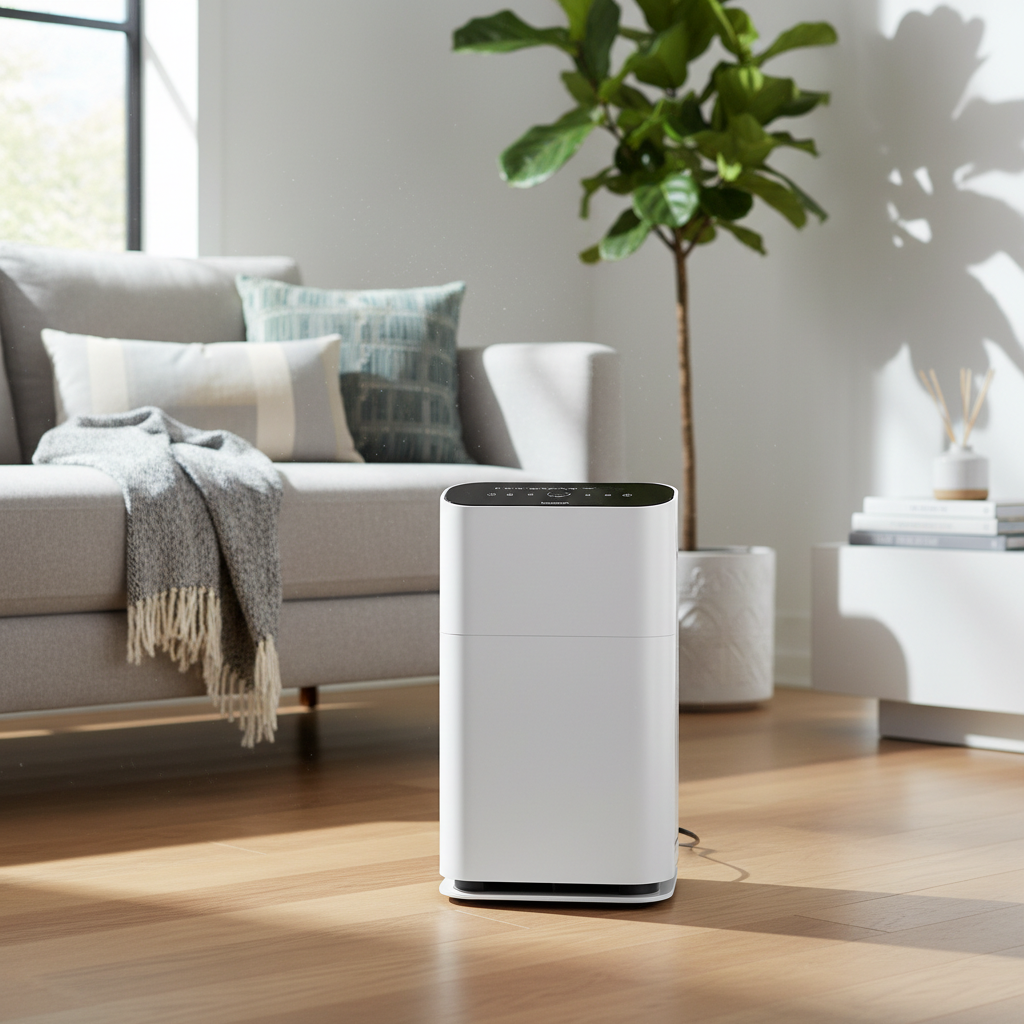
In the quest for cleaner indoor air, the Molekule Air Mini+ air purifier often catches attention with its sleek design and the promise of groundbreaking Photo Electrochemical Oxidation (PECO) technology. Unlike traditional air purifiers that merely trap pollutants, Molekule asserts that its PECO technology actively destroys them at a molecular level. But does this innovative approach truly deliver on its promises, especially when compared to time-tested filtration methods like HEPA? This comprehensive review delves into the Molekule Air Mini+’s features, performance, and the underlying science of PECO to help you determine if it’s the right choice for your home.
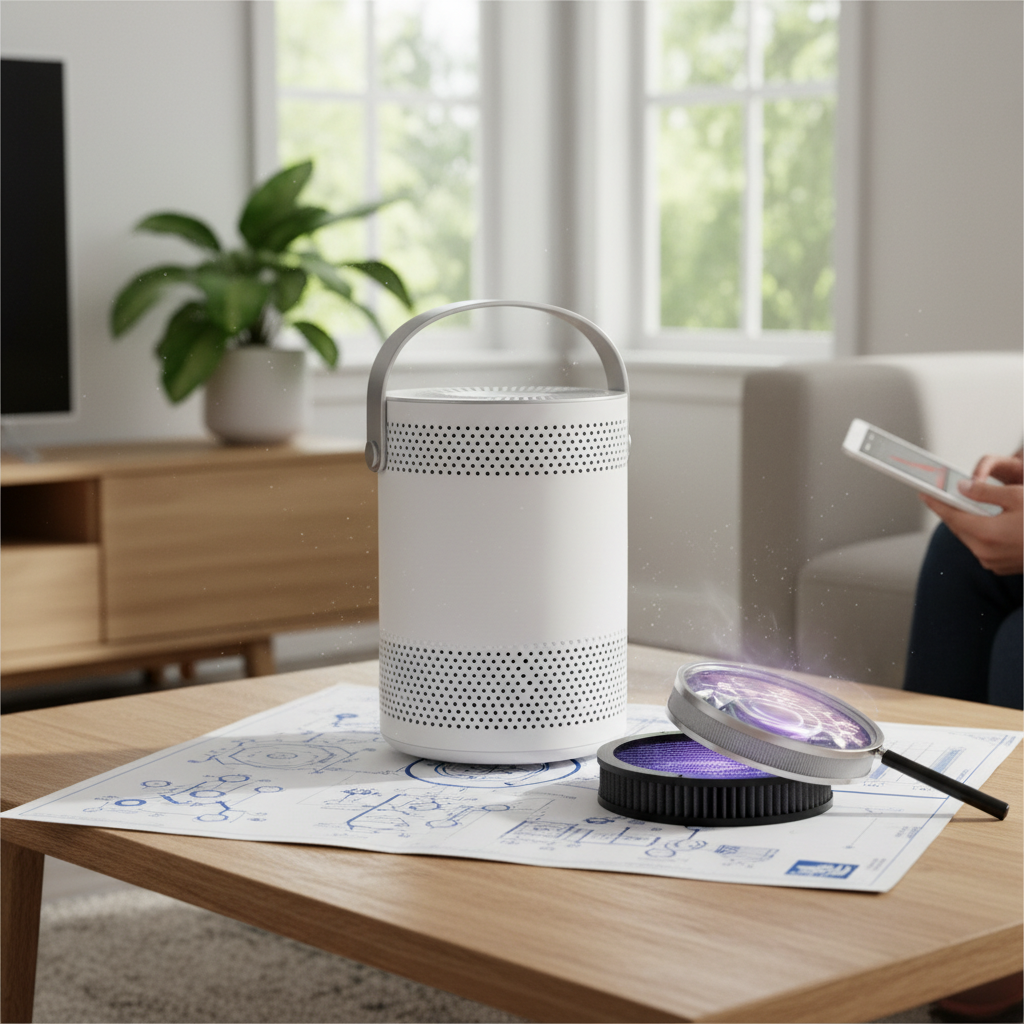
Overview of Air Purifiers
Air purifiers are devices designed to remove contaminants from the air in a room, thereby improving indoor air quality. They play a crucial role in tackling various airborne pollutants, from allergens and dust to odors and harmful microorganisms. The basic principle involves drawing in air, passing it through one or more filters or purification processes, and then releasing cleaner air back into the environment. The benefits of using an air purifier are extensive, including reducing allergy and asthma symptoms, neutralizing unpleasant smells, and contributing to a healthier living or working space by mitigating the spread of airborne pathogens.
Popular Types of Air Purifiers
The market offers a diverse range of air purifiers, each employing different technologies to cleanse the air. Understanding these distinctions is key to selecting a device that aligns with your specific needs.
HEPA Air Purifiers
High-Efficiency Particulate Air (HEPA) filters are widely regarded as the gold standard in mechanical air filtration. They work by trapping particles as air passes through a dense mat of fibers.
- Pros: Highly effective at capturing 99.97% of airborne particles 0.3 microns in size, including dust, pollen, pet dander, mold spores, and some bacteria. They are a passive filtration method, meaning they simply capture and hold particles.
- Cons: Do not remove odors or volatile organic compounds (VOCs) effectively on their own (often combined with activated carbon for this). Filters require periodic replacement and can become breeding grounds for bacteria if not maintained. They only trap, not destroy, pollutants.
- Applications: Ideal for individuals with allergies, asthma, or general concerns about airborne particulates.
|
Our Picks for the Best Air purifier in 2026
As an Amazon Associate I earn from qualifying purchases.
|
||
| Num | Product | Action |
|---|---|---|
| 1 | LEVOIT Air Purifier for Home Large Room Up to 1073Ft² with Air Quality Monitor, AHAM VERIFIDE, Smart WiFi, Washable Pre-Filter, HEPA Sleep Mode for Pets, Allergies, Dust, Pollen, Vital 100S-P, White |

|
| 2 | FreAire Air Purifiers for Bedroom Up to 1086 Ft², Air Purifiers for Home with Lights, HEPA Air Purifier Removes Dust Smoke Pollen Dander Smell, for Home/Pets/Bedroom |
|
| 3 | Air Purifiers for Home Large Room Cover Up to 1500 Ft² with True HEPA Filter, 20dB Sleep Mode, 360° Air Intake & Outlet, Air Cleaner for Bedroom Pets, 7 Color Light, HAP604, Bright White |
|
| 4 | LEVOIT Air Purifiers for Home Large Room Up to 1875 Ft² with Washable Pre-Filter, AHAM VERIFIDE, Air Quality Monitor, HEPA Sleep Mode for Allergies, Pet Hair in Bedroom, Vital 200S-P, White |
|
| 5 | KNKA Air Purifier for Home Bedroom Large Room Up to 1,695 Ft² in 1 Hr, HEPA Air Cleaner with Washable Pre-Filter, AHAM VERIFIDE, AQI Display, ECO Mode, Pet Mode for Pets, Dust, Pollen, APH4000 |
|
| 6 | LEVOIT Air Purifiers for Bedroom Home Dorm, AHAM VERIFIED, 3-in-1 Filter Cleaner With Aroma Pad, Filters Smoke, Allergens, Pet Dander, Odor, Dust, Office, Desktop, Core Mini-P, White |
|
| 7 | LEVOIT Air Purifier for Home Allergies Pet Hair in Bedroom, Covers Up to 1073 ft² by 56W High Torque Motor, AHAM VERIFIDE, 3-in-1 Filter with HEPA Sleep Mode, Remove Dust Smoke Odor, Core300-P, White |
|
| 8 | LEVOIT Air Purifier for Home Bedroom Dorm Room, Smart & Voice Control, AHAM VERIFIED, 3-in-1 Filter With HEPA Sleep Mode, for Pollen, Pollutants, Smoke, Dander, Dust, Core 200S-P, White |
|
| 9 | Air Purifiers for Home with High Efficiency Filter Up to 1076 Ft² for Pet Hair, Odors, Pollen, Smoke, Compact Air Cleaner with 3 Speeds, Timer, Aroma Quiet 360°Intake Filter, White |
|
| 10 | Air Purifiers for Home Large Room, Cover Up to 2400 Ft² with True HEPA Filter, Smart Mode, PM2.5 Air Quality Display, 22dB Sleep Mode, Aromatherapy with 2X-Purification & 360°Air Outlet, HAP603 |
|
Activated Carbon Air Purifiers
Activated carbon filters are specifically designed to absorb gases, odors, and volatile organic compounds (VOCs) through a process called adsorption.
- Pros: Excellent for removing smoke, cooking odors, pet smells, and chemical fumes.
- Cons: Do not filter particulate matter (dust, allergens) effectively. Filters have a finite capacity and must be replaced to remain effective; saturated filters can sometimes re-emit trapped chemicals.
- Applications: Best for areas with persistent odors, chemical sensitivities, or to complement HEPA filters.
Ionizing Air Purifiers
Ionizers release a stream of charged ions into the air, which attach to airborne particles, making them too heavy to remain suspended. These heavier particles then fall onto surfaces or are drawn to a charged collection plate within the purifier.
- Pros: Can effectively remove very small particles. Some models are filter-less, reducing maintenance costs.
- Cons: Can sometimes produce ozone, a lung irritant, which is a significant concern for health. Particles fall onto surfaces, requiring frequent cleaning, and are not truly removed from the environment.
- Applications: For those seeking to reduce fine particles and willing to accept the risk of ozone production (ensure models are CARB-certified or ozone-free).
UV-C Light Air Purifiers
UV-C light technology uses ultraviolet germicidal irradiation (UVGI) to destroy airborne microorganisms like bacteria, viruses, and mold spores.
- Pros: Effective at inactivating biological contaminants.
- Cons: Does not filter particulate matter or gases. Requires direct exposure for a sufficient duration to be effective, which can be limited by airflow speed. Some UV-C lights can produce ozone.
- Applications: Best for enhancing overall air purification, particularly in environments where germ control is a priority.
Multi-Technology Air Purifiers
Many modern air purifiers combine several technologies, such as HEPA, activated carbon, and UV-C, to offer a comprehensive purification solution. The Molekule Air Mini+ itself employs a form of multi-technology, combining PECO with a HEPA-type filter.
Comparison Table: Common Air Purifier Technologies
| Feature | HEPA Filter | Activated Carbon Filter | Ionizing Purifier | UV-C Light Purifier | PECO Technology (Molekule) |
|---|---|---|---|---|---|
| Pollutant Type | Particles (dust, pollen) | Gases, Odors, VOCs | Particles | Bacteria, Viruses, Mold | Particles, Gases, Viruses, Bacteria, Mold, Allergens |
| Mechanism | Traps particles | Adsorbs gases/odors | Charges particles | Inactivates microbes | Destroys pollutants at molecular level |
| Ozone Production | None | None | Potential (some models) | Potential (some models) | Claims none |
| Maintenance | Filter replacement | Filter replacement | Plate cleaning (some) | Bulb replacement | Filter replacement |
| Primary Benefit | Allergy/asthma relief | Odor/chemical removal | Fine particle removal | Germ/pathogen destruction | Comprehensive pollutant destruction |
Crucial Criteria for Choosing an Air Purifier
Selecting the right air purifier requires careful consideration of several factors to ensure it meets your specific needs and provides optimal performance.
Room Size and Coverage Area
The effectiveness of an air purifier is directly tied to its ability to clean the air in a given space. Look for the Clean Air Delivery Rate (CADR), which indicates how quickly the purifier removes smoke, pollen, and dust from a room. Match the CADR and the manufacturer’s recommended room size to your actual room dimensions for efficient purification. A purifier too small for the room will struggle to keep the air clean.
Filter Types and Pollutant Removal Capabilities
Different filters target different pollutants. A robust air purifier often employs multiple filtration stages.
- Particulates: HEPA filters are essential for trapping dust, pollen, pet dander, and mold spores.
- Gases and Odors: Activated carbon filters are necessary for removing smoke, cooking smells, pet odors, and VOCs from cleaning products or paints.
- Microorganisms: UV-C light or advanced technologies like PECO claim to destroy bacteria, viruses, and mold at a microscopic level. Consider your primary concerns—allergies, pet odors, or germ control—when evaluating filter types.
Noise Level
Air purifiers operate with fans, and higher fan speeds generally mean more noise. Check the decibel (dB) rating, especially if the unit will be in a bedroom or office. Many purifiers offer “sleep” or “quiet” modes for reduced noise, though this often comes with a trade-off in purification speed.
Additional Features
Modern air purifiers come with a host of smart features that can enhance convenience and performance.
- Smart Sensors: Dust, allergen, and VOC sensors can automatically adjust fan speed based on real-time air quality.
- Timers and Sleep Modes: Allow for scheduled operation or quieter performance during specific hours.
- Remote Control/Smart App Integration: Offer convenience for controlling the device from anywhere and monitoring air quality history or filter life.
- Portability: A carrying handle or lightweight design makes it easy to move the purifier between rooms.
Brand Reputation and Reliability
Choose reputable brands known for quality manufacturing and customer support. Research customer reviews and independent testing results to gauge real-world performance and durability. A strong warranty and accessible customer service are also indicators of reliability.
Price and Maintenance Costs
Consider both the initial purchase price and ongoing costs. Filter replacement frequency and cost can add up significantly over the purifier’s lifespan. Some filters are more expensive or need more frequent replacement than others. Factor these into your overall budget.
Buying Guide: Choosing the Right Air Purifier
Navigating the array of options can be daunting, but a structured approach can simplify the process of finding your ideal air purifier.
1. Identify Your Core Needs
Start by pinpointing your main reasons for buying an air purifier. Are you primarily dealing with:
- Allergies or Asthma? Focus on HEPA filters and strong CADR ratings.
- Pets? Look for HEPA for dander and activated carbon for odors.
- Smoke or VOCs? Activated carbon is crucial.
- Viruses and Bacteria? Consider UV-C or advanced destructive technologies like PECO.
- General Air Quality Improvement? A multi-stage filtration system will be most beneficial.
2. Determine Room Size and Coverage
Measure the square footage of the room where the purifier will be primarily used. Compare this to the CADR ratings and recommended room coverage provided by manufacturers. For optimal performance, it’s often better to choose a model that slightly exceeds your room’s requirements rather than just meeting them.
3. Research Filtration Technologies
Dive deeper into how different technologies work. For instance, if considering the Molekule Air Mini+ and its PECO technology, understand its mechanism (destroying pollutants at a molecular level using UV light and a catalyst) and how it compares to traditional HEPA filtration, which primarily captures particles. Be aware of any controversies or mixed reviews surrounding newer technologies.
4. Compare Features, Price, and Brand
Once you’ve narrowed down the technology types, compare specific models across various brands. Look at features like fan speeds, smart capabilities, design, and portability. Critically evaluate the price point against the features offered and consider the long-term cost of replacement filters. Don’t shy away from investing more if it means better health outcomes, but ensure the value aligns with the cost.
5. Read Reviews and Expert Opinions
Customer reviews and independent expert evaluations provide invaluable real-world insights into a product’s performance, durability, and any potential downsides. Pay attention to comments regarding noise levels, app functionality, and actual effectiveness in different environments.
6. Purchase from Reputable Retailers
Buy your air purifier from authorized dealers or reputable online stores to ensure you receive a genuine product with full warranty support. Check the return policy and warranty terms before purchasing.
Review: Molekule Air Mini+ Air Purifier
The Molekule Air Mini+ presents itself as a compact yet powerful air purification solution, leveraging its unique PECO technology. This section provides a detailed look at its capabilities, design, and overall performance.
Overview of the Molekule Air Mini+
The Molekule Air Mini+ is designed for small to medium-sized rooms, such as bedrooms, nurseries, or home offices. Its primary differentiator is the Photo Electrochemical Oxidation (PECO) technology, which Molekule claims goes beyond merely trapping pollutants by actively destroying viruses, bacteria, mold, allergens, and VOCs at a molecular level. The Air Mini+ is also FDA-cleared as a Class II medical device, signifying its proven ability to destroy airborne viruses and bacteria.
Does PECO Work? The Core of the Debate
The central question surrounding Molekule purifiers is the efficacy of PECO technology.
- Molekule’s Claims: The company asserts that PECO, using UV-A light and a patented nanoparticle-coated filter, generates a reaction that oxidizes pollutants, breaking them down into harmless components like water and carbon dioxide. They cite studies, including one from Florida International University, suggesting PECO filters destroy allergen proteins and provide greater relief from allergic responses compared to HEPA-only filters. Molekule also states that PECO effectively tackles VOCs like formaldehyde and eliminates ozone production, a common concern with some PCO technologies.
- Independent Reviewer Findings: Opinions are mixed. Some reviews praise its ability to destroy viruses and bacteria, noting its medical-grade clearance. However, for common particulate matter like dust, dander, and smoke, some independent tests by organizations like Consumer Reports and reviewers from HouseFresh indicate that the Molekule Air Mini+ may not perform as well as traditional HEPA filters, especially in larger rooms, possibly due to its smaller fan size. TechRadar also points out a lack of VOC detection in the Mini+ model, which limits its ability to react quickly to odors without manual intervention, despite PECO’s claimed ability to destroy VOCs. HouseFresh even labeled it as one of the worst air purifiers they’ve reviewed due to high energy consumption, noise, and poor particulate removal compared to much cheaper HEPA units.
“The Molekule Air Mini+ impresses with its use of medical-grade materials and bacteria-busting PECO technology, but the lack of VOC detection means it isn’t as reactive as it should be to clear the air quickly and efficiently.” – TechRadar Review
Design and Features
The Air Mini+ boasts a minimalist, cylindrical design with a faux-leather carrying strap, making it aesthetically pleasing and portable. It blends well into various home decors. Controls are simple, often hidden, and it offers Wi-Fi connectivity to a companion app. The app allows users to monitor air quality history and manage settings, though some users have reported initial app connectivity issues or unreliable data readings. The device operates with multiple fan speeds, including a quiet mode.
Performance
- Microorganism Destruction: The FDA clearance confirms its effectiveness against viruses and bacteria, a significant advantage for those concerned with airborne pathogens.
- Particulate Removal: While Molekule claims a “PECO-HEPA” combined filtration, independent tests suggest its performance against larger particulates (dust, pollen, pet dander, smoke) might be less efficient than dedicated HEPA purifiers, particularly given its small size and fan. It can handle these, but its small fan limits the volume of air processed.
- Odor and VOC Removal: PECO technology is designed to break down VOCs and eliminate odors without producing ozone. However, the Mini+ specifically lacks integrated VOC detection, meaning it won’t automatically ramp up to address sudden odor spikes.
- Noise: Reviews are mixed. Some users find it quiet on lower settings, while others describe it as “painfully loud” or “loud at medium-high fan speeds.”
Maintenance
The Molekule Air Mini+ uses a single, combined PECO filter that needs to be replaced periodically. While simple to replace, the filters are generally considered expensive, adding to the long-term cost of ownership. The device does not feature a washable pre-filter, meaning all dust and larger particles are collected by the main PECO filter.
Top Picks: Where the Molekule Air Mini+ Fits
Given its specific focus on destructive PECO technology and FDA clearance, the Molekule Air Mini+ carved a niche for itself.
For Those Prioritizing Pathogen Destruction:
The Molekule Air Mini+ excels in its FDA-cleared ability to destroy viruses and bacteria, making it a strong contender for individuals highly concerned about airborne germs and biological contaminants in smaller personal spaces. If your primary goal is to target these microscopic threats, the PECO technology offers a unique approach that goes beyond mere capture.
For Style and Portability:
With its sleek, modern design and convenient carrying strap, the Air Mini+ stands out as one of the more aesthetically pleasing and portable air purifiers on the market. It’s ideal for those who want a device that can easily move between rooms or doesn’t detract from their interior decor.
Considerations for Budget and Broader Filtration:
The Molekule Air Mini+ is positioned in the premium price segment. While its PECO technology is innovative, its effectiveness for general particulate removal (dust, pollen, dander) may be outmatched by less expensive, high-CADR HEPA purifiers. Consumers seeking a budget-friendly option for comprehensive particulate and odor removal might find better value in traditional HEPA + activated carbon combinations. For larger rooms or homes where broad spectrum air cleaning is paramount, larger capacity purifiers or those with more robust particulate filtration may be more suitable. The ongoing cost of replacement PECO filters also places it in a higher long-term maintenance bracket.
Using and Maintaining Your Air Purifier
Proper usage and regular maintenance are vital for maximizing the effectiveness and lifespan of your Molekule Air Mini+ or any air purifier.
Effective Usage
- Strategic Placement: Place your Air Mini+ in the room where air quality improvement is most needed. Avoid placing it directly against walls or furniture, as this can obstruct airflow. Ensure there is adequate space around the unit for air intake and output.
- Continuous Operation: For consistent air quality, run the purifier continuously, especially in auto-detect mode if available, allowing it to respond to changing conditions.
- Close Windows and Doors: To prevent outdoor pollutants from entering and to help the purifier work efficiently, keep windows and doors closed when the unit is running.
- Use Appropriate Fan Speed: While higher fan speeds clean air faster, they also increase noise. Utilize quieter modes for sleeping or focused activities, adjusting to higher speeds when rapid purification is needed.
Regular Cleaning and Filter Replacement
- Monitor Filter Life: The Molekule app provides insights into filter life. Adhere to the recommended replacement schedule to ensure optimal performance. Ignoring filter replacement can lead to reduced efficiency and potentially re-release captured pollutants.
- Replace Filters Correctly: Follow the manufacturer’s instructions for replacing the PECO filter. This is typically a straightforward process, but correct installation ensures proper sealing and operation.
- External Cleaning: Periodically wipe down the exterior of the Air Mini+ with a soft, damp cloth to prevent dust buildup on the unit itself. Ensure the device is unplugged before cleaning.
General Considerations
- Dedicated Filters: Only use genuine Molekule replacement filters with your Molekule Air Mini+ to guarantee compatibility and performance. Third-party filters may not offer the same efficacy or could void your warranty.
- Address Source of Pollution: While an air purifier helps, it’s not a substitute for addressing the source of pollution. For example, manage pet dander through regular cleaning, ventilate during cooking, and control humidity to prevent mold growth.
Conclusion
The Molekule Air Mini+ is an intriguing air purifier that brings innovative PECO technology to the forefront, offering a unique promise of destroying, rather than just capturing, airborne pollutants. Its FDA clearance as a Class II medical device confirms its capability to eliminate viruses and bacteria, a compelling feature in today’s health-conscious world. The device also scores high on aesthetic appeal and portability, making it a stylish addition to smaller living spaces.
However, a balanced perspective reveals that its premium price tag and the ongoing cost of filters might be a consideration for many. While PECO shows promise for destroying microscopic threats and VOCs without producing ozone, some independent tests suggest that for bulkier particulate matter like dust and dander, its performance may not always surpass more affordable, high-CADR HEPA alternatives. The lack of integrated VOC detection in the Mini+ model also means it relies on manual adjustment for sudden odor issues.
Ultimately, the Molekule Air Mini+ stands out for specific needs, particularly if your priority is the destruction of pathogens in a compact, design-forward package. If you prioritize combating viruses and bacteria and are willing to invest in cutting-edge technology, the Air Mini+ is a strong contender. However, for those primarily focused on cost-effective, broad-spectrum particulate removal in larger areas, a different air purification strategy might be more suitable. Are you ready to embrace a new frontier in air purification, or does the proven path of HEPA still hold sway for your home?
Frequently Asked Questions
Does the Molekule Air Mini+ produce ozone?
Molekule claims that its PECO technology, which uses low-energy UV-A light and a proprietary catalyst, effectively tackles volatile organic compounds (VOCs) and actively eliminates ozone production, distinguishing it from some older PCO technologies that can generate ozone as a byproduct.
How often do I need to replace the filter in the Molekule Air Mini+?
The PECO filter in the Molekule Air Mini+ typically needs to be replaced every six months, depending on usage and air quality conditions. The Molekule app monitors filter life and will notify you when it’s time for a replacement.
Is the Molekule Air Mini+ effective against pet dander and smoke?
The Molekule Air Mini+ can help reduce pet dander due to its filtration capabilities. While PECO technology aims to destroy pollutants, some independent reviews suggest that for larger particulates like pet dander and smoke, its effectiveness might be limited compared to larger, high-CADR HEPA purifiers, especially for whole-room cleaning. It may be more effective in a small, enclosed space directly near the source of the pollution.
Can the Molekule Air Mini+ connect to smart home systems?
Yes, the Molekule Air Mini+ features Wi-Fi connectivity and integrates with a companion smartphone app, allowing for remote control, air quality monitoring, and filter status checks. It is also Alexa-enabled for voice control.
How does PECO technology compare to HEPA filtration for allergies?
Molekule states that PECO technology not only captures but also actively destroys allergen proteins, going beyond HEPA filters which primarily trap particles. A study cited by Molekule suggests PECO can offer greater relief from allergic responses. However, some independent tests indicate that for general particulate removal, including common allergens like dust and pollen, a good HEPA filter may still perform robustly.