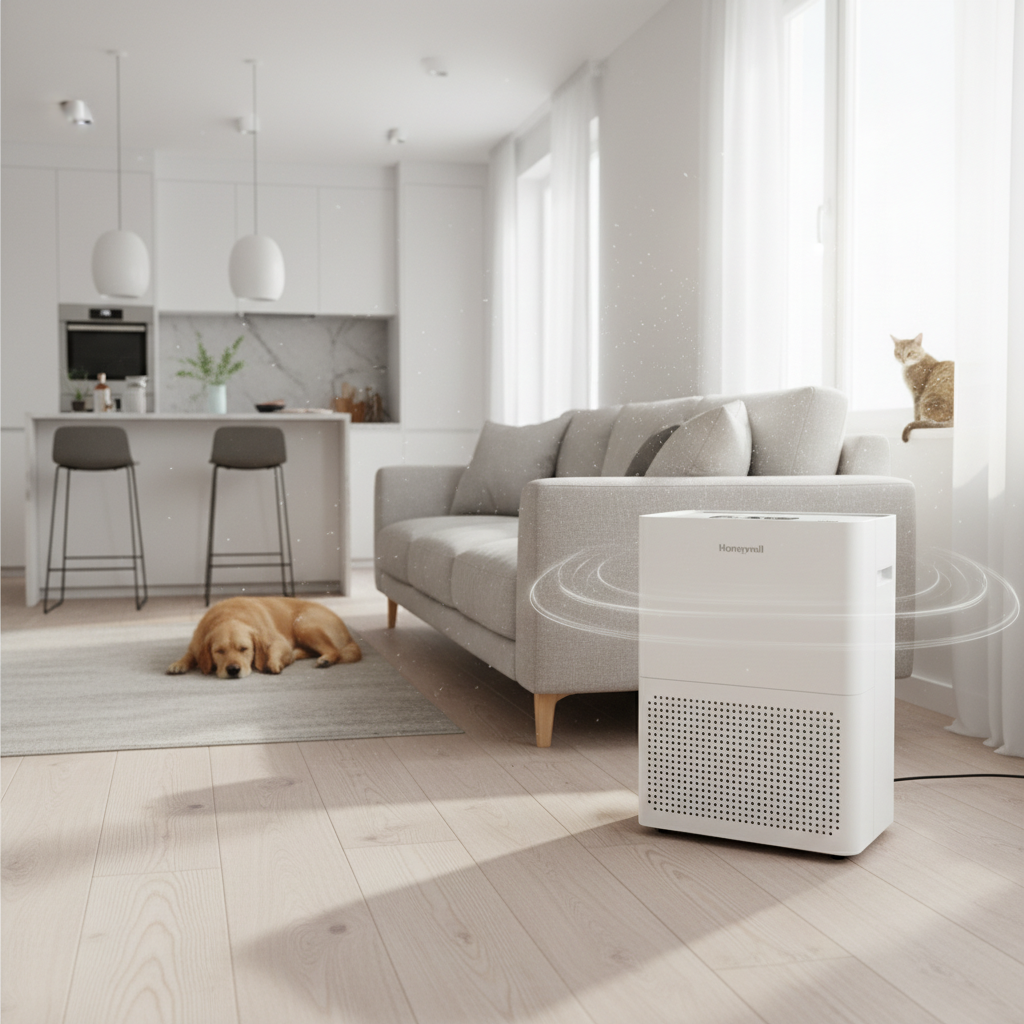
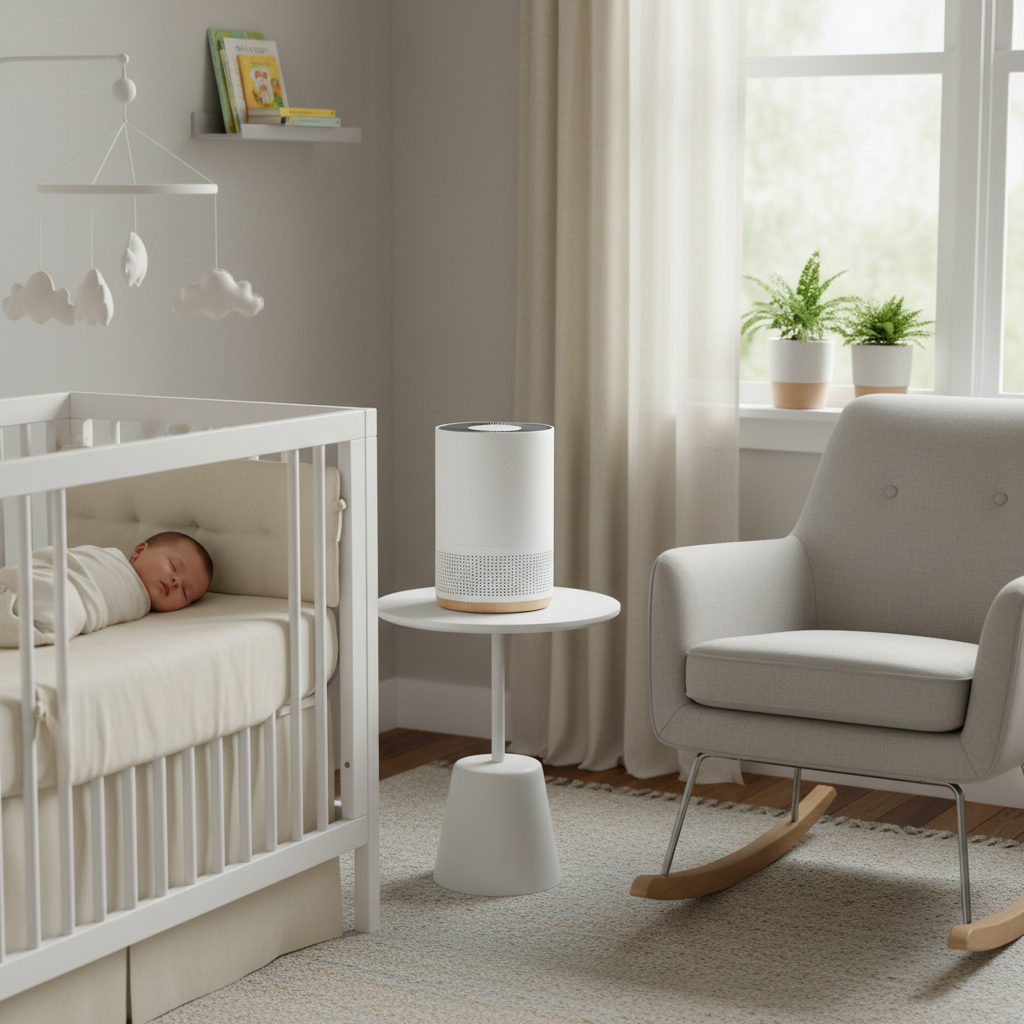
Bringing a new baby home is a whirlwind of joy, anticipation, and countless preparations. Among the many considerations for creating the perfect nursery, ensuring pristine air quality often takes a backseat, yet it’s profoundly important for your little one’s delicate health and restful sleep. Indoor air can harbor a surprising array of pollutants, from dust and pet dander to volatile organic compounds (VOCs) and allergens, all of which can impact a baby’s developing respiratory system and disrupt their precious sleep cycles. This comprehensive guide will navigate the world of air purifiers, focusing specifically on those designed to provide a whisper-quiet, safe, and effective solution for your baby’s sanctuary. We’ll explore why they’re essential, the different types available, crucial selection criteria, top recommendations, and how to maintain them for lasting performance.
An Overview of Air Purifiers for Baby Nurseries
An air purifier is a device designed to remove contaminants from the air in a room, improving indoor air quality. For a baby’s nursery, this means actively filtering out airborne particles that can trigger allergies, asthma, or simply irritate a baby’s sensitive lungs. These devices work by drawing air into the unit, passing it through a series of filters that trap pollutants, and then releasing clean air back into the room.
The benefits of using an air purifier in a baby’s room are numerous and significant. Cleaner air can lead to improved sleep quality for infants, as fewer irritants are present to disturb their breathing. It also helps reduce the presence of common allergens like dust mites, pollen, and pet dander, which is particularly beneficial for babies predisposed to allergies or asthma. Furthermore, air purifiers can tackle odors from diapers and baby food, as well as neutralize harmful VOCs emitted from new furniture, paints, or cleaning products, creating a consistently fresh and healthier environment for your child to grow and thrive.
Common Air Purifier Technologies and Their Suitability for Nurseries
Understanding the different filtration technologies is crucial when selecting an air purifier, especially for a sensitive environment like a nursery. Not all technologies are created equal, and some may even pose risks.
HEPA Air Purifiers
HEPA (High-Efficiency Particulate Air) filters are the gold standard for trapping airborne particles. A true HEPA filter can capture 99.97% of airborne particles as small as 0.3 microns, including dust, pollen, pet dander, mold spores, and even some bacteria and viruses. These filters are purely mechanical, meaning they physically trap particles.
- Pros: Highly effective against common allergens and irritants, no ozone production.
- Cons: Cannot remove odors, gases, or VOCs on their own; filters need regular replacement.
- Application for Nurseries: Essential. A true HEPA filter is a must-have for any baby’s room air purifier to protect against common airborne allergens and particulate matter.
|
Our Picks for the Best Air purifier in 2026
As an Amazon Associate I earn from qualifying purchases.
|
||
| Num | Product | Action |
|---|---|---|
| 1 | Air Purifiers for Home Large Room Cover Up to 1500 Ft² with True HEPA Filter, 20dB Sleep Mode, 360° Air Intake & Outlet, Air Cleaner for Bedroom Pets, 7 Color Light, HAP604, Bright White |

|
| 2 | KNKA Air Purifier for Home Bedroom Large Room Up to 1,695 Ft² in 1 Hr, HEPA Air Cleaner with Washable Pre-Filter, AHAM VERIFIDE, AQI Display, ECO Mode, Pet Mode for Pets, Dust, Pollen, APH4000 |
|
| 3 | LEVOIT Air Purifiers for Bedroom Home Dorm, AHAM VERIFIED, 3-in-1 Filter Cleaner With Aroma Pad, Filters Smoke, Allergens, Pet Dander, Odor, Dust, Office, Desktop, Core Mini-P, White |
|
| 4 | Air Purifiers for Home Large Room, Cover Up to 2400 Ft² with True HEPA Filter, Smart Mode, PM2.5 Air Quality Display, 22dB Sleep Mode, Aromatherapy with 2X-Purification & 360°Air Outlet, HAP603 |
|
| 5 | LEVOIT Air Purifier for Home Allergies Pet Hair in Bedroom, Covers Up to 1073 ft² by 56W High Torque Motor, AHAM VERIFIDE, 3-in-1 Filter with HEPA Sleep Mode, Remove Dust Smoke Odor, Core300-P, White |
|
| 6 | Air Purifiers for Home with High Efficiency Filter Up to 1076 Ft² for Pet Hair, Odors, Pollen, Smoke, Compact Air Cleaner with 3 Speeds, Timer, Aroma Quiet 360°Intake Filter, White |
|
| 7 | FreAire Air Purifiers for Bedroom Up to 1086 Ft², Air Purifiers for Home with Lights, HEPA Air Purifier Removes Dust Smoke Pollen Dander Smell, for Home/Pets/Bedroom |
|
| 8 | LEVOIT Air Purifier for Home Bedroom Dorm Room, Smart & Voice Control, AHAM VERIFIED, 3-in-1 Filter With HEPA Sleep Mode, for Pollen, Pollutants, Smoke, Dander, Dust, Core 200S-P, White |
|
| 9 | LEVOIT Air Purifiers for Home Large Room Up to 1875 Ft² with Washable Pre-Filter, AHAM VERIFIDE, Air Quality Monitor, HEPA Sleep Mode for Allergies, Pet Hair in Bedroom, Vital 200S-P, White |
|
| 10 | LEVOIT Air Purifier for Home Large Room Up to 1073Ft² with Air Quality Monitor, AHAM VERIFIDE, Smart WiFi, Washable Pre-Filter, HEPA Sleep Mode for Pets, Allergies, Dust, Pollen, Vital 100S-P, White |
|
Activated Carbon Air Purifiers
Activated carbon filters are highly porous, allowing them to absorb odors, smoke, gases, and volatile organic compounds (VOCs) through a process called adsorption. They are made from carbon that has been treated with oxygen to open up millions of tiny pores.
- Pros: Excellent for removing odors (diapers, baby food), smoke, and chemical fumes (from new furniture, cleaning supplies).
- Cons: Does not filter particulate matter; eventually saturates and needs replacement.
- Application for Nurseries: Highly recommended. Often paired with HEPA filters to provide comprehensive air purification, tackling both particles and chemical pollutants.
Ionizing Air Purifiers
Ionizers release a stream of negatively charged ions into the air, which attach to airborne particles, making them too heavy to remain suspended. These heavier particles then fall out of the air onto surfaces.
- Pros: Can effectively remove very small particles.
- Cons: Can produce ozone as a byproduct, which is a lung irritant and harmful to babies. Does not remove odors or gases.
- Application for Nurseries: Generally not recommended unless explicitly certified as ozone-free (e.g., CARB certified) and used in conjunction with other filtration types. Even then, mechanical filtration is often preferred for nurseries due to zero ozone risk.
UV-C Air Purifiers
UV-C (ultraviolet-C) light is used to destroy airborne bacteria, viruses, and mold spores by damaging their DNA. The air passes through a chamber where it’s exposed to the UV-C lamp.
- Pros: Effective at killing microorganisms.
- Cons: Does not remove particulate matter, odors, or VOCs. Some older or lower-quality UV-C lamps can produce ozone. The effectiveness against airborne pathogens in a moving air stream can be limited.
- Application for Nurseries: Optional, but proceed with caution. If germicidal benefits are desired, ensure the unit is certified ozone-free. However, for everyday air quality concerns, HEPA and activated carbon are far more critical.
Combined Technology Air Purifiers
Many of the best air purifiers on the market today combine multiple filtration technologies, most commonly a true HEPA filter with an activated carbon filter. Some may also include a pre-filter to capture larger particles like lint and pet hair, extending the life of the more delicate HEPA filter.
- Pros: Offers comprehensive protection against a wide range of pollutants, including particles, odors, and VOCs.
- Cons: Can be more expensive; multiple filters may need replacement.
- Application for Nurseries: Highly recommended, as these provide the most robust and safest purification for a baby’s environment without ozone.
Comparing Air Purifier Technologies for Nursery Use
| Technology | Primary Function | Ozone Risk | Noise Level (Typical) | Filter Lifespan | Cost (Filters) | Nursery Suitability |
|---|---|---|---|---|---|---|
| True HEPA | Particles (dust, pollen) | None | Low to Medium | 6-12 months | Medium | Essential |
| Activated Carbon | Odors, VOCs, Gases | None | N/A (passive) | 3-6 months | Medium | Highly Recommended |
| Ionizer | Small Particles | Potential | Low | N/A (no filter) | Low | Generally Avoid |
| UV-C Light | Germs (bacteria, viruses) | Potential | N/A (passive) | 6-12 months (bulb) | Medium | Use with Caution |
| Combined (HEPA+Carbon) | Particles, Odors, VOCs, Gases | None | Low to Medium | Varies | High | Best Option |
Essential Criteria for Choosing a Nursery Air Purifier
When it comes to selecting the perfect air purifier for your baby’s nursery, several key factors deserve your careful attention. Prioritizing these criteria will ensure you invest in a device that is both effective and perfectly suited to the sensitive environment of a baby’s room.
Room Size and CADR
The Clean Air Delivery Rate (CADR) indicates how quickly the air purifier removes pollutants from a specific room size. CADR is measured for dust, pollen, and smoke. Ensure the purifier’s CADR rating matches or exceeds the square footage of your nursery. An undersized unit will be ineffective, while an oversized one might be overkill or unnecessarily loud. Manufacturers usually specify the recommended room size for their models.
Noise Level (Decibels)
This is arguably the most critical factor for a nursery. Babies are highly sensitive to noise, and a loud air purifier can easily disrupt their sleep. Look for models that operate at very low decibel levels, especially on their lowest or “sleep” settings. An ideal noise level for a nursery air purifier is typically below 30 dB (decibels), with many top quiet models achieving 20-25 dB, which is akin to a whisper. Reviews often provide real-world noise assessments.
Filtration System and Ozone-Free Certification
As discussed, a combination of a True HEPA filter and an activated carbon filter is essential for comprehensive purification, targeting both particulate matter and chemical pollutants. Crucially, ensure the air purifier is certified ozone-free. Look for certifications like California Air Resources Board (CARB) compliance, which verifies that the device does not produce harmful levels of ozone. Avoid models with ionizers or UV-C lights unless they explicitly state and are certified to be ozone-free.
Safety Features
A baby’s curiosity knows no bounds. Look for air purifiers with child-lock features to prevent little hands from changing settings or turning the unit off. A stable, tip-resistant design is also important, as are smooth, rounded edges to minimize any potential hazards. Ensure there are no exposed heating elements or fans that could pose a risk.
Additional Features
Some features, while not strictly necessary, can greatly enhance convenience and usability in a nursery setting.
- Sleep Mode/Night Light: Dims display lights and operates at its quietest setting. Some have optional night lights.
- Smart Controls: App connectivity allows remote monitoring and control, useful if you don’t want to disturb a sleeping baby.
- Air Quality Sensors: Automatically adjust fan speed based on detected air quality, optimizing performance.
- Filter Change Indicator: Notifies you when it’s time to replace filters, ensuring continuous optimal performance.
Brand Reputation and Warranty
Invest in an air purifier from a reputable brand known for quality, reliability, and excellent customer service. A strong warranty (typically 2-5 years) provides peace of mind and protects your investment. Researching user reviews and expert recommendations can offer valuable insights into a brand’s trustworthiness.
Maintenance Costs
Consider the long-term cost of filter replacements. Some purifiers use proprietary filters that can be expensive, while others use more affordable generic options. Check the estimated filter lifespan and cost before purchasing to avoid unexpected expenses down the line.
Buying Guide: Selecting the Right Air Purifier for Your Baby’s Room
Choosing an air purifier might seem overwhelming with the array of options available. This guide breaks down the process into actionable steps, helping you confidently select the best quiet air purifier for your nursery.
Assess Your Specific Needs
Begin by identifying any particular air quality concerns in your home or specific to your baby.
- Allergies/Asthma: If your family has a history of allergies or asthma, prioritize a True HEPA filter with high CADR.
- Pets: For homes with furry friends, ensure robust filtration for pet dander and odors (HEPA + activated carbon).
- New Furniture/Paint: If the nursery is newly furnished or painted, an excellent activated carbon filter is crucial for reducing VOCs.
- Noise Sensitivity: If your baby is a light sleeper, an ultra-quiet model (below 25 dB) is non-negotiable.
Determine Room Size
Accurately measure the square footage of your nursery. This will help you match the air purifier’s CADR to your room, ensuring it can effectively clean the air. Always choose a model rated for at least your room’s size, or slightly larger for enhanced performance.
Prioritize Safety Above All Else
Double-check for ozone-free certification (e.g., CARB). This is not just a recommendation; it’s a critical safety measure for your baby’s developing lungs. If a purifier uses ionizers or UV-C, verify it’s explicitly stated and certified not to produce ozone. Look for physical safety features like child locks and stable construction.
Research and Read Reviews
Dive into product reviews from trusted sources (consumer reports, parenting blogs, health websites) and fellow parents. Pay close attention to comments regarding noise levels on different settings, filter effectiveness, and the actual user experience. Real-world insights often highlight aspects not found in product specifications.
Consider Long-Term Costs
Factor in the cost and frequency of filter replacements. Some brands offer filter subscriptions, which can be convenient. Compare these costs across different models to understand the total cost of ownership over several years.
Purchase from Reputable Retailers
Buy your air purifier from authorized dealers or well-known retailers to guarantee authenticity, ensure valid warranty coverage, and access reliable customer support if needed. This also minimizes the risk of purchasing counterfeit products that may not meet safety standards.
Top Picks: Best Quiet Air Purifiers for Nurseries in 2026
While specific models and features can evolve rapidly, certain characteristics consistently define the best quiet air purifiers for baby nurseries. Here are categories outlining what to look for in top performers in 2026:
Best Overall for Quietness & Performance
These models excel at both ultra-quiet operation and superior air purification. They typically feature multi-stage filtration (True HEPA, activated carbon, pre-filter), smart sensors that adjust fan speed automatically, and dedicated sleep modes that dim lights and operate at barely audible levels (often below 25 dB). They are designed with child-safe features and robust construction. Think of brands renowned for their quiet efficiency and comprehensive filtration.
Best Budget-Friendly Option
For parents on a tighter budget, excellent quiet options still exist. These purifiers prioritize essential True HEPA and activated carbon filtration, often in a more compact design. While they might forgo advanced smart features or ultra-premium aesthetics, they deliver reliable air cleaning at low noise levels (typically around 30 dB on their lowest setting) and are certified ozone-free. Look for models with straightforward controls and accessible filter replacements.
Best Smart Air Purifier
For tech-savvy parents, smart air purifiers offer unparalleled convenience. These devices connect to your home Wi-Fi, allowing you to monitor air quality, adjust settings, set schedules, and even receive filter replacement alerts via a smartphone app. They often integrate seamlessly with smart home ecosystems and feature advanced air quality sensors that can automatically maintain optimal air quality without manual intervention, all while maintaining quiet operation in sleep modes.
Best for Large Nurseries
If your baby’s room is particularly spacious, you’ll need an air purifier with a higher CADR that can still maintain a low noise profile on its effective settings. These models are engineered to move larger volumes of air efficiently and quietly. They often feature robust motors and advanced fan designs to achieve superior air changes per hour (ACH) without generating excessive sound, ensuring the entire room is thoroughly purified.
Using and Maintaining Your Nursery Air Purifier
Once you’ve chosen the perfect air purifier, knowing how to use and maintain it properly is essential to ensure it provides clean, healthy air for your baby consistently.
Optimal Placement
Place the air purifier in a location where it can operate most effectively. Avoid placing it directly against a wall or in a corner, as this can restrict airflow. Instead, give it some space (at least 6-12 inches) on all sides to allow for proper air circulation. Ideally, position it in a central part of the room or near the crib, but always out of the baby’s direct reach and stable enough not to be easily knocked over.
Regular Cleaning and Filter Replacement
This is the most crucial aspect of maintenance.
- Pre-filter: Many units have a washable pre-filter for larger particles. Clean this every 2-4 weeks by vacuuming or rinsing, depending on the manufacturer’s instructions.
- HEPA and Activated Carbon Filters: These are not washable and must be replaced. Follow the manufacturer’s recommendations for replacement intervals, typically every 6-12 months for HEPA and 3-6 months for activated carbon, depending on usage and air quality. Ignoring filter changes will drastically reduce the purifier’s effectiveness and could even recirculate trapped pollutants.
- Exterior: Wipe down the exterior of the unit regularly with a soft, damp cloth to prevent dust buildup on the air intake vents.
General Usage Tips
- Run It Constantly (on low): For optimal air quality, consider running your air purifier 24/7 on its lowest, quietest setting. This ensures continuous filtration and prevents pollutant buildup.
- Use Sleep Mode: If available, activate sleep mode during nap times and overnight to ensure the quietest operation and dim the display lights, creating a more conducive environment for sleep.
- Close Doors and Windows: For maximum efficiency, keep the nursery door and windows closed while the air purifier is running. This prevents outdoor pollutants from entering and diluting the clean air.
Conclusion
Providing a clean, healthy, and quiet environment for your baby is one of the most thoughtful gifts you can offer. Investing in a quiet air purifier for their nursery is a powerful step towards achieving this, safeguarding their delicate respiratory system and promoting undisturbed sleep. By prioritizing ozone-free certifications, comprehensive filtration (True HEPA + activated carbon), and ultra-low noise levels, you can confidently select a device that delivers peace of mind and palpable air quality improvements. Don’t compromise on the air your little one breathes – make an informed choice for their well-being. What air quality challenges are you currently facing in your baby’s nursery?
Frequently Asked Questions
Is it safe to run an air purifier all night in a baby’s room?
Yes, it is generally safe and highly recommended to run an ozone-free air purifier all night in a baby’s room, especially on its lowest, quietest setting. Continuous operation ensures consistent air purification, removing allergens and pollutants that can build up over time and affect your baby’s sleep and health.
How quiet should an air purifier be for a nursery?
For a baby’s nursery, an air purifier should be exceptionally quiet. Aim for models that operate below 30 decibels (dB) on their lowest or “sleep” settings. Many top-tier quiet purifiers can achieve noise levels of 20-25 dB, which is comparable to a whisper and won’t disturb a sleeping infant.
Where is the best place to put an air purifier in a nursery?
Place the air purifier in a central location in the nursery, allowing at least 6-12 inches of clearance around all sides for optimal airflow. Ensure it’s stable, out of the baby’s direct reach, and not obstructed by furniture or curtains, to maximize its effectiveness in circulating and cleaning the air.
Do air purifiers help with baby odors (e.g., diaper smell)?
Yes, air purifiers equipped with an activated carbon filter are highly effective at absorbing and neutralizing odors, including diaper smells, baby formula odors, and other common nursery smells. The activated carbon chemically binds to odor molecules, removing them from the air.
How often should I change the filters?
Filter replacement frequency varies by model and usage, but generally, True HEPA filters should be replaced every 6-12 months, and activated carbon filters every 3-6 months. Always consult your air purifier’s user manual for specific recommendations, as timely replacement is crucial for maintaining optimal performance.