Navigating the world of home air filtration can feel overwhelming. With so many options available, choosing the right HVAC air filter is crucial not just for maintaining healthy indoor air quality, but also for optimizing your system’s performance and managing long-term costs. Two primary contenders stand out: washable and disposable filters. Each offers distinct advantages and drawbacks that directly impact your budget, maintenance routine, and the cleanliness of the air you breathe.
This guide delves deep into the economic and practical considerations of washable versus disposable HVAC filters, providing you with a clear breakdown for 2026. We’ll explore their initial costs, long-term expenses, filtration capabilities, environmental footprint, and the commitment each demands, empowering you to make an informed decision that best suits your home and lifestyle.
Understanding HVAC Air Filters
HVAC (Heating, Ventilation, and Air Conditioning) air filters are essential components of your home’s central air system. Their fundamental role is to trap airborne contaminants—such as dust, pollen, pet dander, mold spores, and other particulates—before they circulate throughout your home or accumulate within your HVAC machinery. This dual function protects your family’s health by improving indoor air quality and safeguards your expensive HVAC equipment from damage, thereby extending its lifespan and maintaining its efficiency.
The effectiveness of an air filter is measured by its MERV (Minimum Efficiency Reporting Value) rating, which ranges from 1 to 20. A higher MERV rating indicates a greater ability to capture smaller particles. Residential HVAC systems typically use filters with MERV ratings between 6 and 13.
Washable vs. Disposable: A Detailed Look
When it comes to HVAC air filters, the choice largely boils down to these two types, each with its own design, performance characteristics, and overall user experience.
Disposable Air Filters
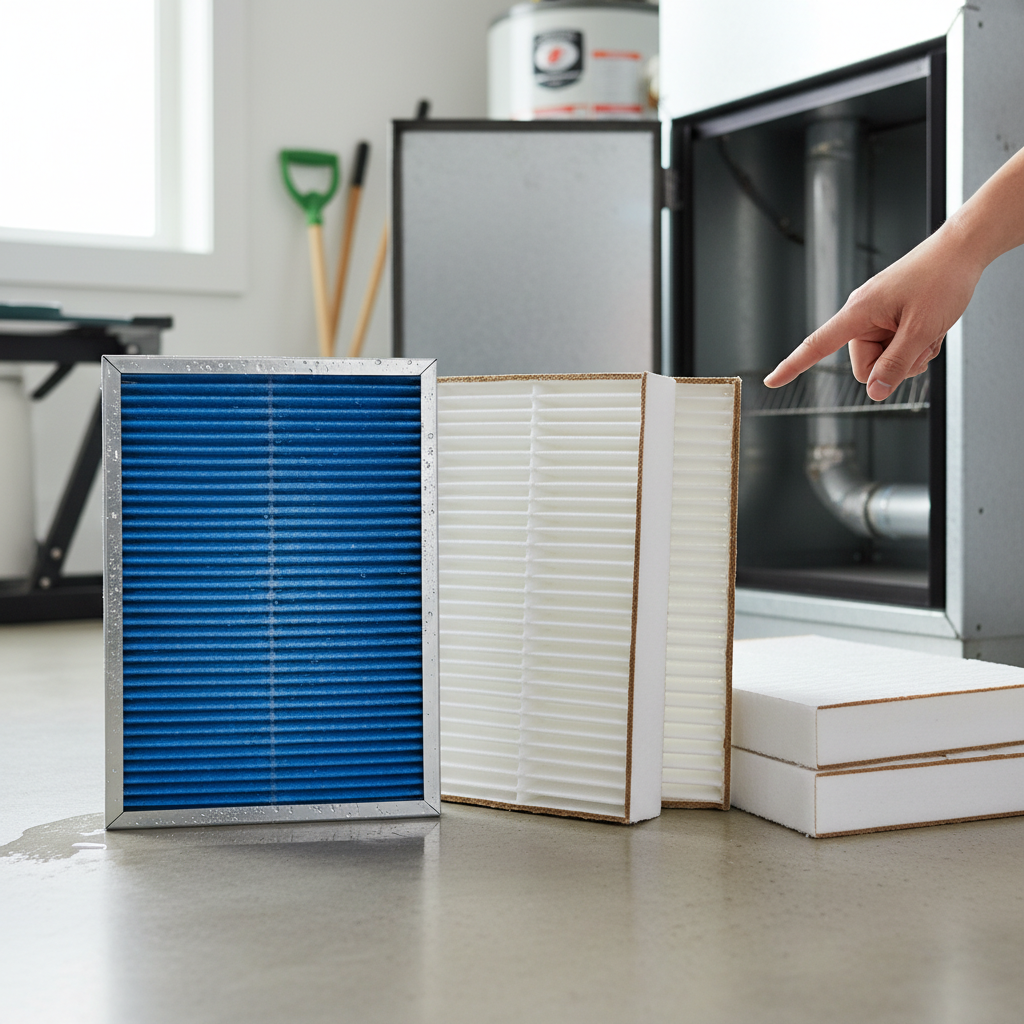
Disposable filters are the most common type found in residential HVAC systems. They consist of a cardboard frame surrounding a filtering medium, usually made of fiberglass, pleated paper, or polyester. These filters are designed for a single-use cycle and must be replaced once they become saturated with contaminants.
Pros of Disposable Filters:
- Superior Filtration: Many disposable filters offer higher MERV ratings (typically MERV 8-13), making them highly effective at capturing a wide range of airborne particles, including fine dust, pollen, pet dander, mold spores, and even some bacteria and viruses. This is particularly beneficial for households with allergy sufferers or those seeking optimal indoor air quality.
- Convenience: Replacement is straightforward and quick—simply remove the old filter and insert a new one. There’s no cleaning or drying time involved.
- Versatility: A broad selection of MERV ratings is available, allowing homeowners to choose filters specifically tailored to their needs, such as higher ratings during allergy season.
- Accessibility: Widely available in various sizes and materials at most hardware stores and online retailers.
Cons of Disposable Filters:
- Recurring Costs: While the upfront cost per filter is low, the need for frequent replacement (typically every 1-3 months) leads to ongoing expenses that add up over time.
- Environmental Impact: Disposable filters contribute significantly to landfill waste as they are generally not recyclable due to the mix of materials and trapped contaminants.
|
Our Picks for the Best Air purifier in 2026
As an Amazon Associate I earn from qualifying purchases.
|
||
| Num | Product | Action |
|---|---|---|
| 1 | LEVOIT Air Purifier for Home Allergies Pet Hair in Bedroom, Covers Up to 1073 ft² by 56W High Torque Motor, AHAM VERIFIDE, 3-in-1 Filter with HEPA Sleep Mode, Remove Dust Smoke Odor, Core300-P, White |

|
| 2 | LEVOIT Air Purifier for Home Large Room Up to 1073Ft² with Air Quality Monitor, AHAM VERIFIDE, Smart WiFi, Washable Pre-Filter, HEPA Sleep Mode for Pets, Allergies, Dust, Pollen, Vital 100S-P, White |
|
| 3 | Air Purifiers for Home Large Room, Cover Up to 2400 Ft² with True HEPA Filter, Smart Mode, PM2.5 Air Quality Display, 22dB Sleep Mode, Aromatherapy with 2X-Purification & 360°Air Outlet, HAP603 |
|
| 4 | LEVOIT Air Purifiers for Home Large Room Up to 1875 Ft² with Washable Pre-Filter, AHAM VERIFIDE, Air Quality Monitor, HEPA Sleep Mode for Allergies, Pet Hair in Bedroom, Vital 200S-P, White |
|
| 5 | Air Purifiers for Home with High Efficiency Filter Up to 1076 Ft² for Pet Hair, Odors, Pollen, Smoke, Compact Air Cleaner with 3 Speeds, Timer, Aroma Quiet 360°Intake Filter, White |
|
| 6 | KNKA Air Purifier for Home Bedroom Large Room Up to 1,695 Ft² in 1 Hr, HEPA Air Cleaner with Washable Pre-Filter, AHAM VERIFIDE, AQI Display, ECO Mode, Pet Mode for Pets, Dust, Pollen, APH4000 |
|
| 7 | FreAire Air Purifiers for Bedroom Up to 1086 Ft², Air Purifiers for Home with Lights, HEPA Air Purifier Removes Dust Smoke Pollen Dander Smell, for Home/Pets/Bedroom |
|
| 8 | LEVOIT Air Purifiers for Bedroom Home Dorm, AHAM VERIFIED, 3-in-1 Filter Cleaner With Aroma Pad, Filters Smoke, Allergens, Pet Dander, Odor, Dust, Office, Desktop, Core Mini-P, White |
|
| 9 | LEVOIT Air Purifier for Home Bedroom Dorm Room, Smart & Voice Control, AHAM VERIFIED, 3-in-1 Filter With HEPA Sleep Mode, for Pollen, Pollutants, Smoke, Dander, Dust, Core 200S-P, White |
|
| 10 | Air Purifiers for Home Large Room Cover Up to 1500 Ft² with True HEPA Filter, 20dB Sleep Mode, 360° Air Intake & Outlet, Air Cleaner for Bedroom Pets, 7 Color Light, HAP604, Bright White |
|
Washable (Reusable) Air Filters
Washable filters feature a durable frame, often made of aluminum or plastic, enclosing a mesh-like filtering medium. Unlike their disposable counterparts, these filters are designed to be cleaned and reused multiple times over several years.
Pros of Washable Filters:
- Long-Term Cost Savings: Although the initial purchase price is higher, their reusability means you avoid the recurring cost of buying new filters every few months, leading to significant savings over their lifespan (5-10 years).
- Environmental Friendliness: By reducing the volume of discarded filters, washable options contribute less to landfill waste, appealing to eco-conscious consumers.
- Durability: Constructed from sturdy materials, they are built to withstand repeated cleaning cycles.
Cons of Washable Filters:
- Lower Filtration Efficiency: Most washable filters have lower MERV ratings (typically MERV 1-4). This means they are less effective at capturing smaller, microscopic particles like fine allergens, smoke, and bacteria, potentially offering less protection for sensitive individuals.
- Maintenance Required: They demand regular cleaning (usually monthly) to maintain effectiveness. This process involves removal, washing, and thorough drying, which can be time-consuming and inconvenient.
- Risk of Mold/Mildew: If not completely dried before reinstallation, washable filters can become breeding grounds for mold and mildew, which can then be circulated throughout your home, severely impacting indoor air quality and potentially damaging your HVAC system.
- Potential for Airflow Restriction (if dirty): A dirty washable filter can restrict airflow more significantly than a dirty disposable filter, straining your HVAC system.
Cost Comparison: Washable vs. Disposable HVAC Filters (2026 Outlook)
The financial aspect is often a deciding factor. While specific prices can fluctuate, the general cost trends and long-term implications remain consistent.
Initial Purchase Price:
- Disposable Filters: Typically range from $5 to $50 per filter, with many common options falling between $10 and $25.
- Washable Filters: Generally cost between $40 and $150 upfront, depending on size, brand, and MERV rating.
Annual and Long-Term Costs:
| Feature | Disposable Filters (Annual/Long-Term) | Washable Filters (Annual/Long-Term) |
|---|---|---|
| Initial Cost | $5 – $50 per filter (lower upfront) | $40 – $150 per filter (higher upfront) |
| Replacement | Every 1-3 months | Every 5-10 years (with proper cleaning) |
| Annual Expense | $60 – $200 (for 4-12 filters/year) | $0 after initial purchase for first 5-10 years |
| 5-Year Cost | $300 – $1000 | $40 – $150 (initial purchase) |
| 10-Year Cost | $600 – $2000 | $80 – $300 (assuming one replacement at 5 years) |
| Maintenance Cost | Minimal (time for replacement) | Time and water for monthly cleaning |
Key Takeaway: While disposable filters boast a lower initial price, their recurring replacement costs make them significantly more expensive in the long run. Washable filters, despite a higher upfront investment, offer substantial savings over their multi-year lifespan.
“Many homeowners focus solely on the sticker price of a filter, but the true cost lies in the total expenditure over years. A washable filter, though a larger initial outlay, often translates to hundreds of dollars saved compared to constantly buying and replacing disposables, especially when factoring in your time.”
Key Considerations When Choosing HVAC Air Filters
Selecting the right HVAC air filter isn’t just about cost; it involves weighing various factors that impact your home’s air quality, HVAC system, and daily routine.
Filtration Efficiency (MERV Rating)
The MERV rating is paramount. If you or family members suffer from allergies, asthma, or other respiratory sensitivities, a higher MERV rating (typically 8-13) is crucial for trapping fine irritants like pollen, pet dander, and microscopic dust. Disposable pleated filters generally excel in this area. For general dust control and basic HVAC protection, lower MERV washable filters might suffice if air quality isn’t a critical concern. However, remember that washable filters typically do not achieve the high MERV ratings needed for serious allergen removal.
Household Needs and Health Concerns
Consider who lives in your home. Do you have pets? Young children? Elderly residents? Individuals with compromised immune systems? These factors lean heavily towards the superior particle capture of higher MERV disposable filters. If health is a top priority, the convenience and enhanced filtration of disposables often outweigh the environmental and long-term cost benefits of washable options.
Maintenance Commitment
Are you diligent about monthly filter maintenance? Washable filters require a commitment to regular cleaning and thorough drying. Failing to clean them promptly or reinserting a damp filter can lead to reduced efficiency, increased strain on your HVAC system, and even mold growth. If you prefer a “set it and forget it” approach, disposable filters offer unmatched convenience.
Environmental Impact
For environmentally conscious homeowners, washable filters present a clear advantage by significantly reducing landfill waste. While the water and energy used for cleaning should be acknowledged, the sheer volume of disposable filters going to waste makes reusables an appealing “green” choice.
HVAC System Compatibility
Before choosing a high MERV filter (especially disposable ones), consult your HVAC professional or refer to your system’s manual. Some older or less powerful HVAC systems may struggle with higher MERV filters, leading to restricted airflow, reduced efficiency, and potential damage. Most residential systems are designed for MERV 8-13 filters, while washable filters with MERV 1-4 pose minimal airflow resistance.
Buying Guide: Choosing the Right HVAC Air Filter
Making the best filter choice involves a personalized assessment of your priorities.
1. Assess Your Indoor Air Quality Needs
- High Priority (Allergies, Asthma, Pets, Smokers): Opt for a disposable pleated filter with a MERV rating of 11-13. These filters capture the majority of airborne allergens and fine particles.
- Medium Priority (General Dust Control, Basic Protection): A disposable MERV 8 filter offers a good balance of airflow and particle capture. If you are very diligent about cleaning and don’t have serious allergen concerns, a washable filter could be considered, but be aware of its lower efficiency.
- Low Priority (Minimal Dust, No Health Concerns): Even then, a basic filter is essential for HVAC system protection. A MERV 6-8 disposable is a good baseline.
2. Consider Your Lifestyle and Maintenance Habits
- Prefer Convenience & Minimal Effort: Disposable filters are ideal. Mark your calendar for replacements every 1-3 months.
- Committed to Regular Maintenance & Eco-Friendly: A washable filter is a viable option if you are prepared for monthly cleaning and drying. Consider purchasing two washable filters to ensure continuous HVAC operation while one dries.
3. Factor in Long-Term Costs and Budget
- Upfront Savings are Key: Disposable filters are cheaper initially.
- Long-Term Savings & Environmental Benefits: Washable filters save money over many years and reduce waste. Calculate the 5-year and 10-year costs for both types to see the true financial impact.
4. Consult Your HVAC Professional
An HVAC technician can advise on the optimal MERV rating for your specific system, ensuring efficient operation and preventing undue strain. They can also offer insights based on your local climate and common allergens.
Using and Maintaining Your HVAC Air Filter
Proper usage and maintenance are critical regardless of the filter type you choose.
For Disposable Filters:
- Regular Replacement: Adhere to the manufacturer’s recommendations, typically every 1 to 3 months. In homes with pets, smokers, or high dust levels, or during peak allergy seasons, you might need to replace them more frequently (e.g., monthly).
- Directional Installation: Ensure the filter is installed with the airflow arrow pointing towards the furnace or air handler.
- Size Matters: Always use the correct size filter for your system to prevent air bypass, which allows unfiltered air to enter.
For Washable Filters:
- Monthly Cleaning: Remove the filter monthly. Use a garden hose or shower spray to rinse it thoroughly, starting from the dirty side to push particles out. You may use a mild detergent for stubborn grime.
- Complete Drying: This is the most crucial step. The filter MUST be completely dry before reinstallation to prevent mold and mildew growth. This can take several hours or even a full day. Consider having a second washable filter to swap in while one dries.
- Handle with Care: Avoid harsh scrubbing or using strong chemicals that could damage the filter media.
- Eventual Replacement: Even washable filters have a lifespan, typically 5-10 years. Over time, their efficiency can degrade, and they will need to be replaced.
Conclusion
The choice between washable and disposable HVAC air filters in 2026 ultimately boils down to a balance of initial cost, long-term savings, air quality needs, and your willingness to commit to maintenance. Disposable filters offer superior filtration for those battling allergies and seeking ultimate convenience, albeit with a higher recurring cost and environmental footprint. Washable filters, while demanding more hands-on care and offering lower initial filtration, provide significant long-term financial savings and a greener alternative.
Understanding your household’s unique needs—from health concerns to lifestyle preferences—is key to making the best decision for your home. Which filter type aligns best with your priorities for a healthier, more efficient home environment?
Frequently Asked Questions
What MERV rating is best for homes with pets or allergies?
For homes with pets, allergies, or asthma sufferers, a disposable pleated filter with a MERV rating between 11 and 13 is highly recommended. These filters are effective at capturing pet dander, pollen, dust mites, and other common allergens.
How often should I clean a washable air filter?
Washable air filters should be cleaned approximately once a month to maintain optimal performance and prevent airflow restriction. Regular cleaning is essential to ensure they continue to filter effectively and do not become a breeding ground for mold.
Can a dirty air filter harm my HVAC system?
Yes, a dirty air filter can severely impact your HVAC system. It restricts airflow, forcing your system to work harder, which can lead to increased energy consumption, reduced efficiency, premature wear and tear on components, and potentially costly repairs.
Are washable filters truly better for the environment?
Washable filters are generally considered more environmentally friendly due to their reusability, which significantly reduces landfill waste compared to disposable filters. However, the environmental impact also includes the water and energy used for cleaning, and the production process of a more durable filter.
What happens if I reinstall a damp washable filter?
Reinstalling a damp washable filter creates an ideal environment for mold and mildew to grow within your filter and potentially spread throughout your HVAC system. This can lead to musty odors, compromised indoor air quality, and potential damage to your system’s components. Always ensure the filter is completely dry before reinstallation.