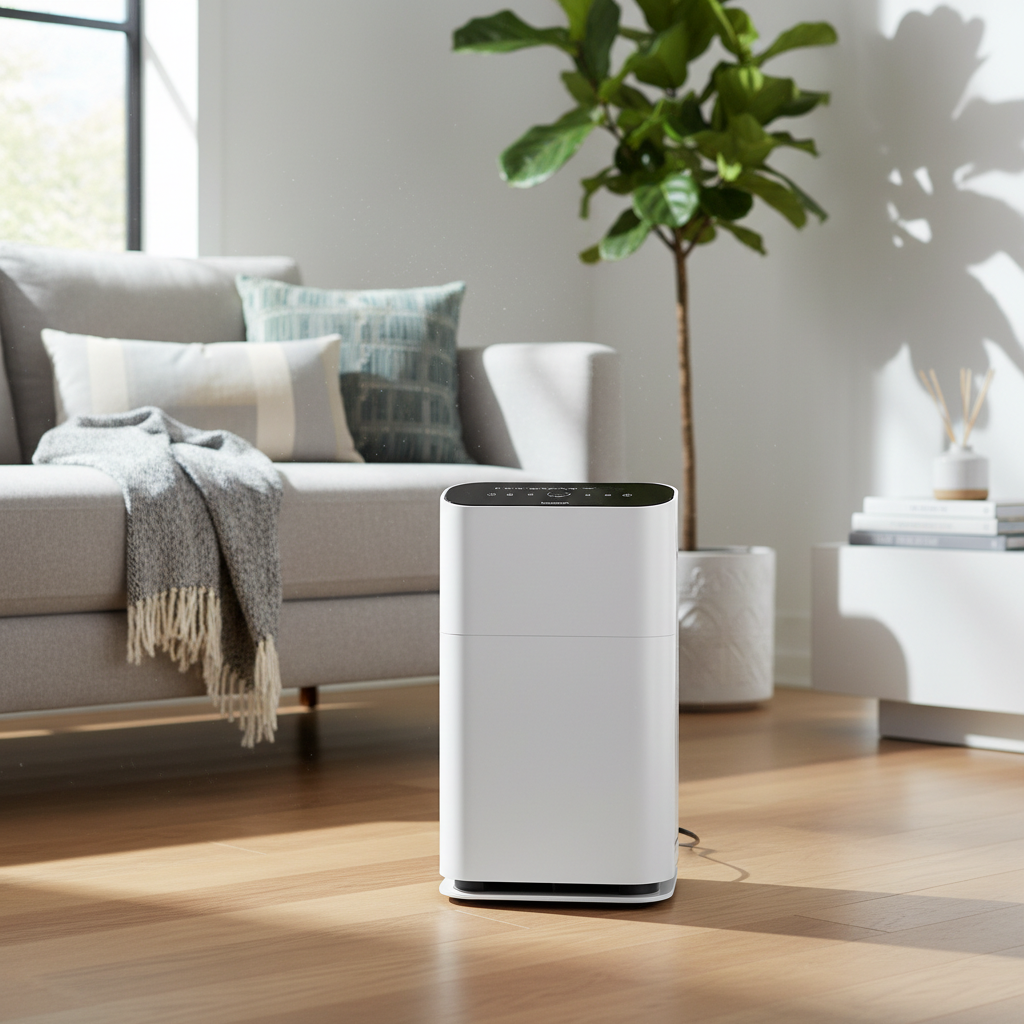
In our pursuit of cleaner indoor air, HEPA (High-Efficiency Particulate Air) filters play an indispensable role, diligently trapping microscopic pollutants from dust and pollen to mold spores, bacteria, and even viruses. These unsung heroes silently work to improve our respiratory health and overall well-being. However, once a HEPA filter has served its purpose and become saturated with contaminants, a critical question arises: how do we dispose of it responsibly? Simply tossing a used filter into the regular trash can undermine its environmental mission, releasing trapped particles back into our surroundings and contributing to landfill waste. Understanding the proper disposal and recycling methods for old HEPA filters is not just about keeping your home pristine; it’s about safeguarding our planet for future generations.
Understanding HEPA Filters and Their Environmental Impact
HEPA filters are defined by their remarkable ability to capture at least 99.97% of airborne particles as small as 0.3 microns, making them a cornerstone of modern air purification systems. This high efficiency comes from their dense network of fibers, typically made from fine glass fibers (fiberglass), often housed within frames of plastic, metal, or cardboard. While incredibly effective during use, the combination of these materials and the accumulated pollutants presents a unique challenge at the end of their lifecycle.
The environmental impact of improper HEPA filter disposal is significant. Once saturated, these filters become repositories for everything they’ve captured, from common household allergens to potentially harmful pathogens, especially in medical or industrial settings. If not handled correctly, these contaminants can be released, posing risks to human health and the ecosystem. Furthermore, the primary filtering material, fiberglass, is not biodegradable and can persist in landfills for centuries, adding to a growing waste problem [cite: 2 in are HEPA filters biodegradable]. The regular replacement cycle, typically every 6 to 12 months depending on usage, means a continuous stream of non-biodegradable waste enters the environment [cite: 3 in are HEPA filters biodegradable].
Are HEPA Filters Recyclable? The Complex Reality
The question of whether HEPA filters are recyclable is not as straightforward as it might seem. In most residential contexts, the answer is often “no” when it comes to standard municipal recycling programs. The primary reasons for this complexity stem from two key factors: contamination and mixed material composition.
Because HEPA filters are designed to capture pollutants, they inevitably become contaminated during use. This contamination can range from everyday dust and allergens to more hazardous biological or chemical agents, depending on the environment in which the filter was used. These trapped substances make it difficult and costly for conventional recycling facilities to process them safely and effectively. Moreover, HEPA filters are typically constructed from a combination of materials—fiberglass media, plastic or metal frames, and sometimes gel sealants. Separating these different components for individual recycling is often labor-intensive and requires specialized equipment, which most standard recycling centers lack. While the metal or cardboard frames might technically be recyclable if thoroughly cleaned and separated from the filter media, the fiberglass element itself is particularly challenging to reprocess due to its fibrous nature and the embedded contaminants.
Steps for Safe and Responsible HEPA Filter Disposal
Disposing of your used HEPA filters responsibly involves a series of careful steps designed to protect both your health and the environment.
Prioritize Safety: Personal Protective Equipment (PPE)
|
Our Picks for the Best Air purifier in 2026
As an Amazon Associate I earn from qualifying purchases.
|
||
| Num | Product | Action |
|---|---|---|
| 1 | Air Purifiers for Home with High Efficiency Filter Up to 1076 Ft² for Pet Hair, Odors, Pollen, Smoke, Compact Air Cleaner with 3 Speeds, Timer, Aroma Quiet 360°Intake Filter, White |

|
| 2 | Air Purifiers for Home Large Room Cover Up to 1500 Ft² with True HEPA Filter, 20dB Sleep Mode, 360° Air Intake & Outlet, Air Cleaner for Bedroom Pets, 7 Color Light, HAP604, Bright White |
|
| 3 | KNKA Air Purifier for Home Bedroom Large Room Up to 1,695 Ft² in 1 Hr, HEPA Air Cleaner with Washable Pre-Filter, AHAM VERIFIDE, AQI Display, ECO Mode, Pet Mode for Pets, Dust, Pollen, APH4000 |
|
| 4 | LEVOIT Air Purifiers for Bedroom Home Dorm, AHAM VERIFIED, 3-in-1 Filter Cleaner With Aroma Pad, Filters Smoke, Allergens, Pet Dander, Odor, Dust, Office, Desktop, Core Mini-P, White |
|
| 5 | LEVOIT Air Purifier for Home Large Room Up to 1073Ft² with Air Quality Monitor, AHAM VERIFIDE, Smart WiFi, Washable Pre-Filter, HEPA Sleep Mode for Pets, Allergies, Dust, Pollen, Vital 100S-P, White |
|
| 6 | FreAire Air Purifiers for Bedroom Up to 1086 Ft², Air Purifiers for Home with Lights, HEPA Air Purifier Removes Dust Smoke Pollen Dander Smell, for Home/Pets/Bedroom |
|
| 7 | Air Purifiers for Home Large Room, Cover Up to 2400 Ft² with True HEPA Filter, Smart Mode, PM2.5 Air Quality Display, 22dB Sleep Mode, Aromatherapy with 2X-Purification & 360°Air Outlet, HAP603 |
|
| 8 | LEVOIT Air Purifier for Home Bedroom Dorm Room, Smart & Voice Control, AHAM VERIFIED, 3-in-1 Filter With HEPA Sleep Mode, for Pollen, Pollutants, Smoke, Dander, Dust, Core 200S-P, White |
|
| 9 | LEVOIT Air Purifiers for Home Large Room Up to 1875 Ft² with Washable Pre-Filter, AHAM VERIFIDE, Air Quality Monitor, HEPA Sleep Mode for Allergies, Pet Hair in Bedroom, Vital 200S-P, White |
|
| 10 | LEVOIT Air Purifier for Home Allergies Pet Hair in Bedroom, Covers Up to 1073 ft² by 56W High Torque Motor, AHAM VERIFIDE, 3-in-1 Filter with HEPA Sleep Mode, Remove Dust Smoke Odor, Core300-P, White |
|
Your first line of defense is always safety. Before handling a used HEPA filter, it is crucial to wear appropriate personal protective equipment (PPE). This typically includes gloves and a mask to prevent direct contact with the trapped particles and to avoid inhaling airborne contaminants that may be released during removal. For those with allergies or asthma, this precaution is especially vital [cite: 1 in HEPA filter disposal options].
Seal and Contain the Used Filter
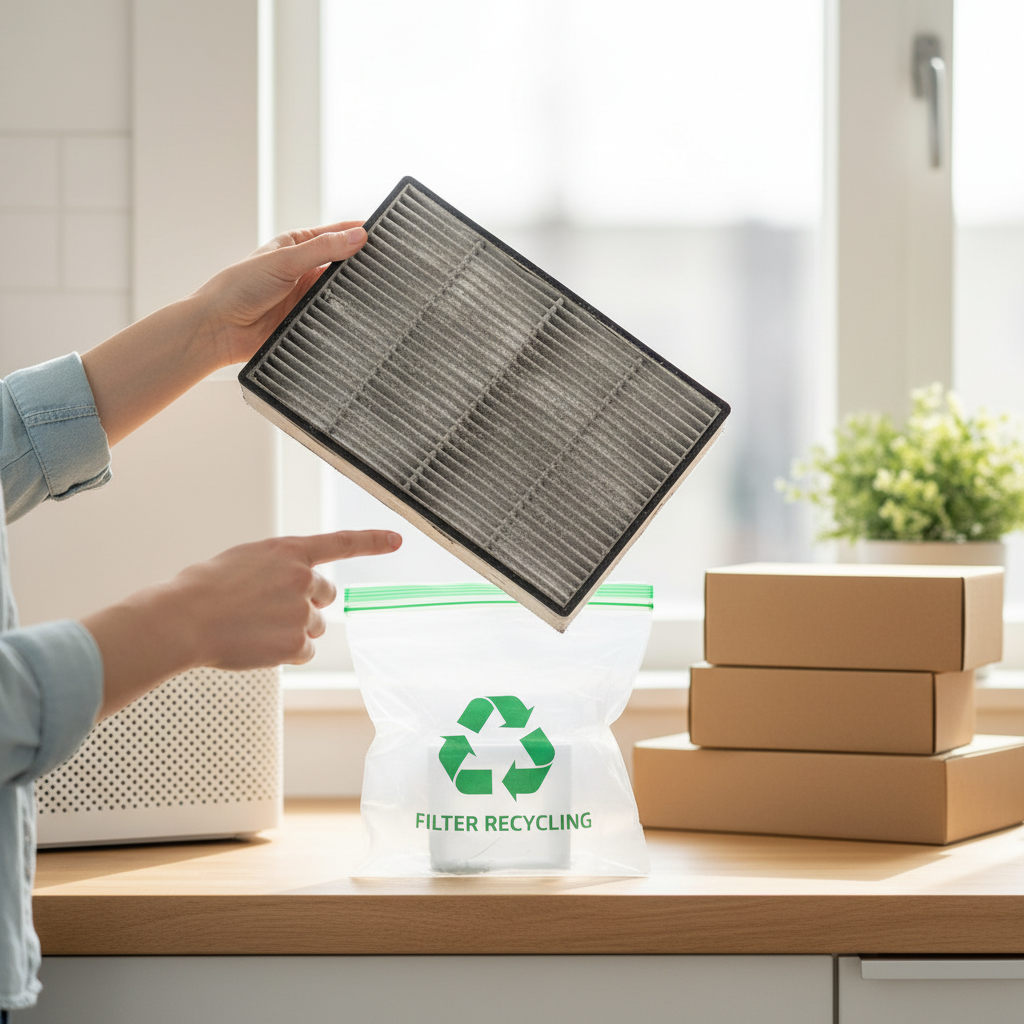
Once you are protected, carefully remove the filter from its housing. It’s important to do this slowly and gently to prevent any dust or particles from becoming airborne. Avoid shaking or tapping the filter, as this can dislodge trapped debris back into your environment. Immediately after removal, slip the used filter into a heavy-duty plastic bag. Double-bagging is often recommended for extra security, especially if the filter is heavily soiled or has sharp edges. Seal the bag tightly with tape or a firm knot and consider labeling it as a “used HEPA filter” to inform waste handlers. This containment step is crucial to prevent the spread of pollutants.
Check Local Waste Management Regulations
Disposal regulations for used HEPA filters can vary significantly by location. What is permissible in one municipality might be classified differently in another [cite: 3, 1 in customfiltersdirect.com]. Some areas may allow residential HEPA filters to be disposed of as regular solid waste if properly sealed, while others might classify them as hazardous waste, particularly if they’ve been used in medical or industrial settings where they could be contaminated with dangerous pathogens or chemicals.
“The first step in proper disposal is to check your local environmental regulations. Different regions have different rules regarding the disposal of used filters, especially those that may be contaminated.” – David Liu, Senior Applications Engineer at Suzhou National Purification
It is essential to contact your local waste management authority or visit their official website to understand the specific requirements in your area. They can provide guidance on approved disposal methods and facilities.
Explore Manufacturer Take-Back or Specialty Recycling Programs
While not universally available, some manufacturers and specialized recycling companies are working towards more sustainable solutions for HEPA filter waste. It’s worth contacting your filter supplier or the air purifier manufacturer to inquire if they offer any take-back or recycling programs for their used filters. Companies like TerraCycle also offer programs for hard-to-recycle items, which might include certain air purifier components [cite: 4 in Recycling Electronics]. These initiatives aim to separate materials and potentially reuse components in new products, offering an environmentally friendly alternative when available.
Consider Disassembly for Component Recycling (if applicable and safe)
In some instances, if permitted by local regulations and you can do so safely, you might be able to disassemble the filter to separate its components. For example, if the frame is made of cardboard or certain types of metal, these materials could potentially be recycled through standard channels once thoroughly cleaned and isolated from the contaminated filter media. However, this should only be attempted if you are confident in handling the potentially hazardous filter media without exposure and if your local recycling facility accepts the separated materials. For most residential users, this is not a practical or recommended option.
Landfill as a Last Resort (when no recycling is available)
If, after checking local regulations and exploring all available recycling or specialty disposal programs, no other responsible option exists, disposal in a landfill may be the only recourse. In such cases, ensure the filter is securely sealed in a heavy-duty plastic bag, preferably double-bagged, to prevent any leakage or release of trapped contaminants into the environment. This method, while not ideal due to the non-biodegradable nature of many HEPA filter components, becomes the “least worst” option when sustainable alternatives are absent.
The Future of HEPA Filter Sustainability
The environmental challenges posed by disposable HEPA filters are driving innovation in the air purification industry. A growing focus on sustainability is leading to the development of more eco-friendly filter solutions.
Innovations in Biodegradable and Recyclable Materials
Research and development are underway to create HEPA filters from more sustainable materials. Some manufacturers are exploring options like paper-based filter media or other biodegradable materials that can break down more easily in the environment [cite: 2 in are HEPA filters biodegradable, 1 in are HEPA filters recyclable]. These innovative filters aim to maintain high filtration efficiency while significantly reducing their ecological footprint. While not yet widespread, the availability of these truly eco-friendly HEPA filters is a promising development for the future.
Washable and Permanent Filter Options
Another significant stride towards sustainability is the increasing availability of washable or “permanent” air filters. Unlike their disposable counterparts, these filters are designed to be cleaned and reused multiple times, drastically reducing the amount of waste generated [cite: 5 in Can HEPA Filters Be Recycled?]. While regular HEPA filters should generally not be washed (as it can damage their delicate structure and reduce effectiveness) [cite: 1 in HEPA filter disposal options], permanent filters are specifically engineered to withstand cleaning without compromising their filtration capabilities. They represent a more economical and environmentally conscious choice for long-term air purification needs.
Comparison Table: Disposal Options for HEPA Filters
| Disposal Method | Pros | Cons | Applicability |
|---|---|---|---|
| Regular Household Trash (Sealed) | Widely accessible, simple for residential filters. | Contributes to landfill waste, non-biodegradable materials, potential for contaminant release. | Most common for residential HEPA filters, if allowed by local rules. |
| Local Recycling Center (Specific) | Environmentally friendly if accepted. | Rarely accepted due to contamination and mixed materials; availability is limited. | Only if your local center explicitly accepts HEPA filters or separated components. |
| Manufacturer Take-Back/Specialty Program | Most environmentally responsible, proper material handling. | Limited availability, requires research, potentially shipping costs. | Specific brands or regions with dedicated programs (e.g., TerraCycle). |
| Hazardous Waste Facility | Ensures safe disposal of contaminated filters. | Required for medical/industrial filters, can be costly and inconvenient for residential users. | Filters from medical, lab, or industrial settings, or if classified as hazardous locally. |
| Incineration (Licensed Facility) | Effectively destroys contaminants. | High cost, requires specialized licensed facilities, not widely accessible for general public. | Primarily for highly contaminated filters in specific contexts. |
Conclusion
The journey to breathing cleaner air doesn’t end with the purchase of an air purifier; it extends to the responsible disposal of its used filters. While the complex composition and contamination of old HEPA filters present significant recycling challenges, a thoughtful approach to their end-of-life management is paramount for both our health and the health of our planet. By diligently following safety protocols, understanding local regulations, exploring emerging recycling initiatives, and considering sustainable filter alternatives, we can collectively minimize environmental impact. Every decision we make about air purification, from selection to disposal, contributes to a healthier indoor environment and a more sustainable future. What steps will you take to ensure your old HEPA filters are disposed of with the care they deserve?
Frequently Asked Questions
Can I put a HEPA filter in my regular recycling bin?
Generally, no. Most municipal recycling programs do not accept used HEPA filters because they are contaminated with trapped pollutants and are made from mixed materials like fiberglass and plastic, which are difficult to separate and recycle in standard facilities. Always check your local waste management guidelines first.
What are HEPA filters made of?
HEPA filters are typically made of fine glass fibers (fiberglass) arranged in a dense, pleated network. These fibrous media are then enclosed within frames, which can be constructed from plastic, metal, or cardboard. Some filters also include gel sealants for enhanced airtightness.
How often should I change my HEPA filter?
The lifespan of a HEPA filter varies depending on factors such as usage, air quality, and the presence of pets or allergies in your home. Typically, residential HEPA filters should be replaced every 6 to 12 months. Regular checks are recommended, and replacement is necessary when the filter appears visibly dirty or airflow is reduced.
Are there any eco-friendly alternatives to traditional HEPA filters?
Yes, the market is evolving to offer more sustainable options. Some manufacturers are developing filters made from biodegradable materials like paper, while others provide washable or “permanent” filters designed for multiple uses. These alternatives aim to reduce waste and offer a more environmentally conscious choice for air purification.