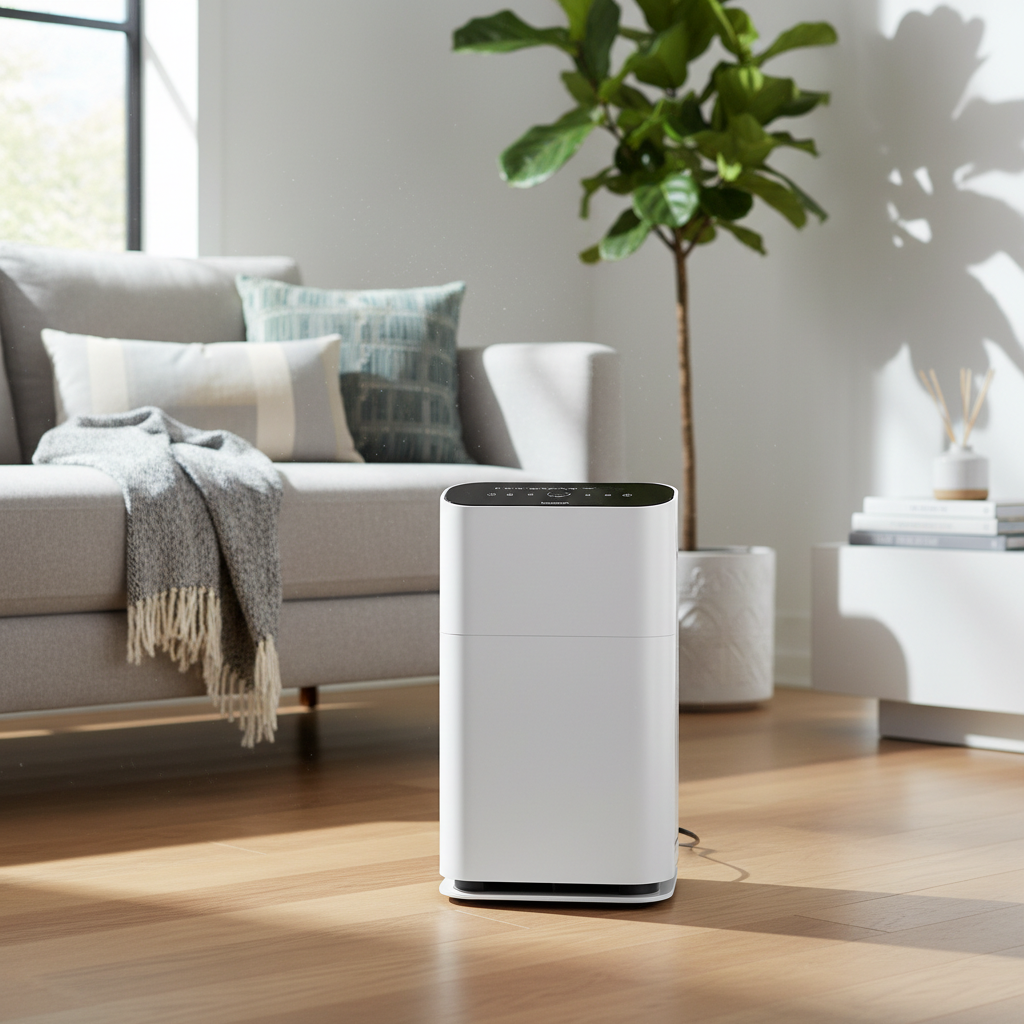
Bringing an air purifier into your home is a significant step towards a healthier living environment. However, owning a powerful air purification system is only half the battle. The true effectiveness of your air purifier hinges on one critical factor: its placement. A strategically positioned unit can dramatically enhance air circulation, boost purification efficiency, and ensure clean air reaches every corner of your room, while poor placement can severely hinder its performance, leaving pockets of stagnant, unfiltered air.
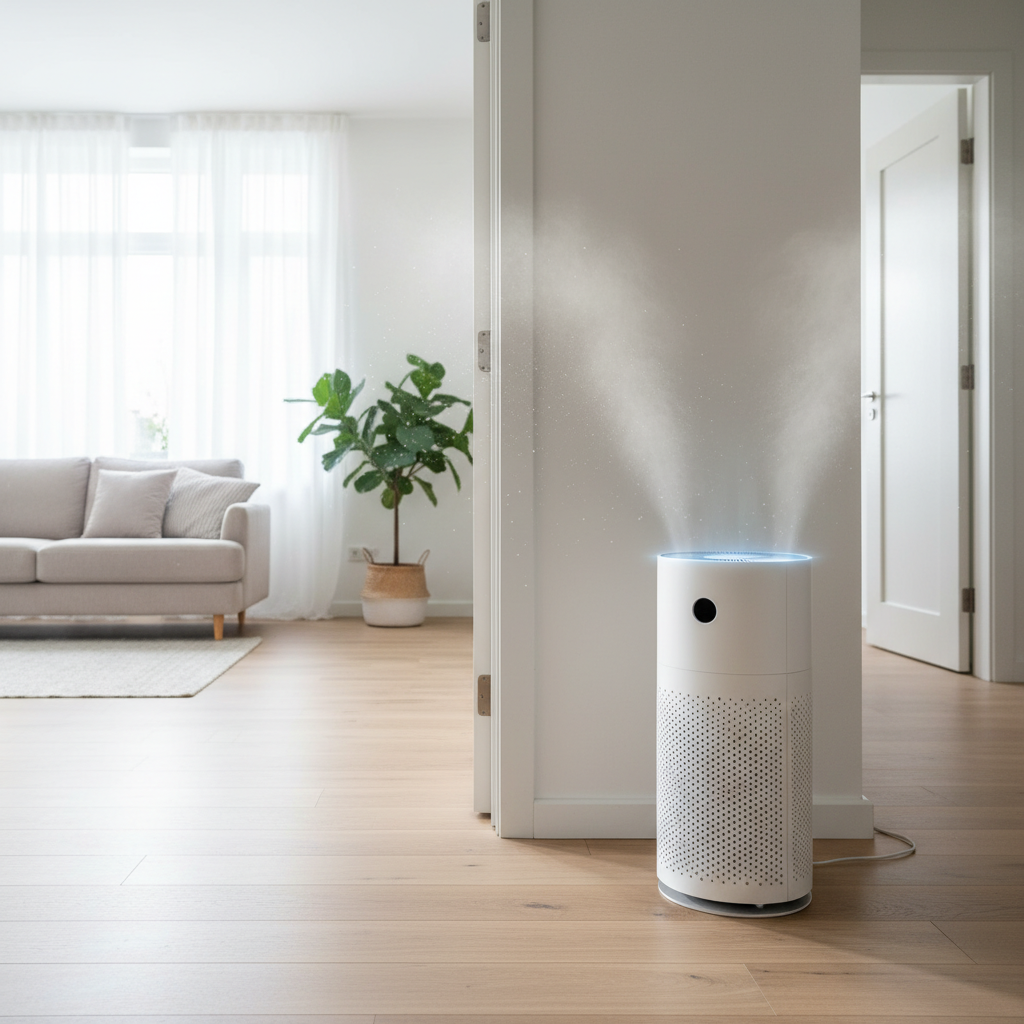
This comprehensive guide will walk you through everything you need to know about air purifier placement, from fundamental principles to room-specific strategies and common mistakes to avoid. By understanding how to best integrate your air purifier into your space, you can unlock its full potential and consistently breathe cleaner, fresher air.
Understanding Your Air Purifier and Airflow Dynamics
An air purifier functions by drawing in ambient air, passing it through a series of filters that trap pollutants, and then releasing purified air back into the room. This process relies entirely on unimpeded airflow. If the air intake or output is obstructed, the unit cannot efficiently capture contaminants or distribute clean air effectively.
Proper placement ensures that the air purifier has the “breathing room” it needs. Without adequate space, walls, furniture, or curtains can block air pathways, limiting the device’s ability to circulate air freely. This means dust, pollen, pet dander, and other airborne particles may remain trapped in areas the purifier cannot reach. Optimal airflow determines whether your air purifier will effectively clean a small corner or the entire designated space, directly impacting how quickly and thoroughly your indoor air quality improves.
Key Principles for Optimal Air Purifier Placement
Achieving the best air purification results requires adherence to several fundamental placement guidelines. These principles focus on maximizing air intake, distribution, and overall operational efficiency.
Central Location for Even Distribution
|
Our Picks for the Best Air purifier in 2026
As an Amazon Associate I earn from qualifying purchases.
|
||
| Num | Product | Action |
|---|---|---|
| 1 | LEVOIT Air Purifiers for Bedroom Home Dorm, AHAM VERIFIED, 3-in-1 Filter Cleaner With Aroma Pad, Filters Smoke, Allergens, Pet Dander, Odor, Dust, Office, Desktop, Core Mini-P, White |

|
| 2 | LEVOIT Air Purifiers for Home Large Room Up to 1875 Ft² with Washable Pre-Filter, AHAM VERIFIDE, Air Quality Monitor, HEPA Sleep Mode for Allergies, Pet Hair in Bedroom, Vital 200S-P, White |
|
| 3 | LEVOIT Air Purifier for Home Large Room Up to 1073Ft² with Air Quality Monitor, AHAM VERIFIDE, Smart WiFi, Washable Pre-Filter, HEPA Sleep Mode for Pets, Allergies, Dust, Pollen, Vital 100S-P, White |
|
| 4 | FreAire Air Purifiers for Bedroom Up to 1086 Ft², Air Purifiers for Home with Lights, HEPA Air Purifier Removes Dust Smoke Pollen Dander Smell, for Home/Pets/Bedroom |
|
| 5 | LEVOIT Air Purifier for Home Bedroom Dorm Room, Smart & Voice Control, AHAM VERIFIED, 3-in-1 Filter With HEPA Sleep Mode, for Pollen, Pollutants, Smoke, Dander, Dust, Core 200S-P, White |
|
| 6 | Air Purifiers for Home with High Efficiency Filter Up to 1076 Ft² for Pet Hair, Odors, Pollen, Smoke, Compact Air Cleaner with 3 Speeds, Timer, Aroma Quiet 360°Intake Filter, White |
|
| 7 | Air Purifiers for Home Large Room Cover Up to 1500 Ft² with True HEPA Filter, 20dB Sleep Mode, 360° Air Intake & Outlet, Air Cleaner for Bedroom Pets, 7 Color Light, HAP604, Bright White |
|
| 8 | Air Purifiers for Home Large Room, Cover Up to 2400 Ft² with True HEPA Filter, Smart Mode, PM2.5 Air Quality Display, 22dB Sleep Mode, Aromatherapy with 2X-Purification & 360°Air Outlet, HAP603 |
|
| 9 | KNKA Air Purifier for Home Bedroom Large Room Up to 1,695 Ft² in 1 Hr, HEPA Air Cleaner with Washable Pre-Filter, AHAM VERIFIDE, AQI Display, ECO Mode, Pet Mode for Pets, Dust, Pollen, APH4000 |
|
| 10 | LEVOIT Air Purifier for Home Allergies Pet Hair in Bedroom, Covers Up to 1073 ft² by 56W High Torque Motor, AHAM VERIFIDE, 3-in-1 Filter with HEPA Sleep Mode, Remove Dust Smoke Odor, Core300-P, White |
|
For efficient air circulation and even distribution of purified air, the best place for your air purifier is often a central location within the room or space. This allows the unit unrestricted access to the full volume of air in the area. Imagine a large living room; placing the air purifier somewhere in the middle, rather than pushed into a corner, ensures it can draw in dirty air from all directions and distribute clean air broadly. Studies have even indicated that central placement can significantly improve air quality compared to corner placement, sometimes by a notable percentage after a short operational period.
Maintaining Adequate Clearance
Air purifiers require sufficient space around them to operate effectively. It is crucial to avoid placing the unit directly against walls, furniture, or curtains. Most experts recommend leaving at least 6 inches to 2-3 feet of open space around all sides of the air purifier. This clearance prevents obstruction of its intake and output vents, allowing air to move freely around the device and throughout the room. Think of it like a fan: if it’s blocked, the breeze won’t circulate properly.
Elevating Your Air Purifier
While placing your air purifier on the floor might seem convenient, elevating it slightly can often improve its performance. Positioning the unit on a small table, shelf, or stand, typically about two to four feet high, helps it capture a wider range of pollutants. This mid-level height is ideal because it allows the device to address both heavier particles like dust, which tend to settle lower, and lighter particles such as pollen, which float higher in the air. Furthermore, an elevated position can help distribute clean air more evenly across the room and keep the unit safer from accidental bumps or spills, especially in homes with children or pets.
Proximity to Pollution Sources
If you have specific air quality concerns, positioning your air purifier closer to the source of pollution can significantly enhance its effectiveness. For instance, place it near a pet’s favorite lounging spot to tackle pet dander and odors, or closer to windows during high pollen seasons to filter allergens entering your home. In kitchens, strategic placement near cooking areas can help capture food particles and odors. The goal is to intercept pollutants as close to their origin as possible, preventing them from spreading throughout the entire space.
Understanding Airflow Direction
Different air purifiers release clean air in various directions – some upward, others forward, and some with 360-degree output. Familiarize yourself with your specific model’s airflow path. Point the clean air output towards the area where you spend the most time, such as your bed or sofa. This ensures you are directly breathing purified air rather than waiting for it to circulate through the entire space. For units with 360-degree intake and output, central placement with ample clearance is universally optimal.
Avoiding Obstructions
Certain locations severely limit an air purifier’s effectiveness due to restricted airflow.
- Corners: Placing an air purifier in a tight corner can significantly reduce its efficiency. Air gets trapped, and the unit struggles to draw in and distribute air effectively across the entire room.
- Tight Hallways: Similar to corners, narrow hallways obstruct air movement and prevent comprehensive purification.
- Behind Furniture or Curtains: These items act as physical barriers, blocking both air intake and the distribution of clean air. The clean air gets absorbed by the obstruction rather than circulating throughout the room.
Room-Specific Placement Strategies
The ideal placement for your air purifier can vary depending on the specific room and its unique air quality challenges.
Bedrooms
Since most individuals spend a significant portion of their day sleeping, ensuring clean air in the bedroom is paramount for better respiratory comfort and sleep quality. Place your air purifier approximately 6-10 feet from the head of your bed. Ensure the purified air does not blow directly onto your face, which can cause discomfort for some. The goal is to create a clean air zone around your sleeping area without causing drafts.
Living Rooms
Living rooms are often expansive and frequently used spaces. Position your air purifier in a central location within the living room, away from electronic devices, and in areas of frequent movement to effectively capture dust particles. If possible, place it near key seating areas like the couch, but always ensure the furniture does not block the unit’s airflow. For open-plan living spaces, a powerful unit centrally located or multiple smaller units strategically placed can offer the best coverage.
Kitchens
Kitchens are prime sources of indoor pollutants, including cooking odors, smoke, grease particles, and moisture-related allergens. Place your air purifier near the source of odors or cooking activity, such as near the stove. However, be mindful of existing ventilation systems like range hoods; placing the air purifier too close to an exhaust vent might counteract its efforts. Ideally, position it in a spot where it can capture fumes before they spread, but still have good general room circulation. High-quality activated carbon filters are particularly useful in kitchen environments.
Home Offices
With the rise of hybrid and remote work, home offices are becoming increasingly important spaces. Place your air purifier in a central, unobtrusive location within your office. This helps maintain a clean, focused environment by removing dust, allergens, and any VOCs from office equipment. Ensure it has enough space around it and isn’t tucked away where its effectiveness would be compromised.
Basements and Humid Areas
Basements are prone to mold spores and musty odors due to higher humidity levels. Place the air purifier in a central location in the basement, away from walls and corners. For these areas, units equipped with both medical-grade HEPA and activated carbon filters are highly recommended to tackle both particulate matter and odors. It’s often beneficial to use a dehumidifier in conjunction with the air purifier to control moisture levels and prevent mold growth, ensuring a healthier environment. However, avoid placing the air purifier too close to a running humidifier, as excessive moisture can prematurely clog its filters.
Pet Areas
If you have furry companions, pet dander and odors can be a major concern. Position your air purifier near your pet’s favorite lounging spots, their bed, or even near a litter box (if applicable) to effectively capture pet hair, dander, and reduce odors. This targeted approach helps to mitigate allergens and keep the air fresher in high-traffic pet zones.
Advanced Considerations for Multi-Room or Large Spaces
Optimizing air purification goes beyond a single room, especially in larger homes or open-concept layouts.
Room Size and Layout
The size and layout of your room are critical. Larger rooms may require more powerful units or even multiple air purifiers to effectively clean the air. For open floor plans, a centrally located, powerful air purifier can be effective, but sometimes several smaller units are better distributed. Rooms with unusual shapes may need strategic placement to ensure comprehensive coverage, paying attention to natural airflow patterns. Matching the air purifier’s Clean Air Delivery Rate (CADR) to your room size is crucial for ensuring it can handle the volume of air efficiently.
Multiple Units vs. Single Larger Unit
While a single large air purifier might seem sufficient for an entire floor, using multiple smaller units can often provide more comprehensive coverage, especially in homes with multiple stories or separate rooms. This approach allows for more targeted air cleaning in frequently used spaces like bedrooms, living rooms, and home offices. When using multiple units, remember not to group them together; spread them across rooms for balanced coverage. Keeping doors open between rooms, when possible, helps facilitate air circulation and allows purifiers to work together more effectively.
Natural Air Circulation Patterns
Observe the natural airflow in your space. Placing your air purifier in areas with good natural air circulation can help distribute clean air more effectively throughout the room. This might involve positioning it near internal doorways or in the path of a gentle cross-breeze (not directly in front of an open window with significant outside pollution).
Common Placement Mistakes to Avoid
Even with the best intentions, certain placement errors can severely undermine your air purifier’s performance.
Tucking It in Corners or Against Walls
This is one of the most frequent mistakes. Corners and tight wall placements restrict airflow significantly. Air purifiers need space to draw in dirty air and expel clean air from all sides (or their designated intake/output vents). Hiding the unit away in a corner essentially chokes its ability to circulate air throughout the entire room, turning it into an expensive fan for a very small, confined area.
Hiding It Behind Furniture or Curtains
Placing your air purifier behind a sofa, bookshelf, or heavy curtains will block its air intake and output. The furniture or fabric will absorb much of the purified air, preventing it from reaching the rest of the room. This dramatically reduces the unit’s efficiency and wastes its energy. Always ensure a clear path for air to flow to and from the device.
Placing in Highly Humid Areas
While some purifiers have features for mold, continuously exposing your air purifier to high humidity, such as directly next to a humidifier, in a very steamy bathroom, or in a constantly damp basement corner, can be detrimental. High humidity can cause filters to clog faster and may even wear out sensors and electrical components over time. Always opt for a cool, dry spot for optimal performance and filter longevity.
Ignoring Airflow Direction
Neglecting to consider which way your air purifier expels clean air is a missed opportunity. If your purifier pushes air upwards but you place it under a shelf, or if it pushes air forward but is pointed directly at a wall, its effectiveness is compromised. Always align the output direction with the open space of the room and towards the areas you wish to purify most directly.
Maximizing Your Air Purifier’s Performance
Beyond initial placement, ongoing practices can ensure your air purifier consistently delivers clean air.
Regular Maintenance
Even the best-placed air purifier won’t work optimally with neglected filters. Regularly check, clean, and replace your air purifier’s filters according to the manufacturer’s guidelines. Clogged filters significantly reduce airflow and filtration efficiency. A well-maintained unit ensures consistent performance and prolongs the lifespan of your investment.
Keeping Doors Open
If you are using an air purifier to clean the air across multiple connected rooms or an open-concept living space, keep internal doors open whenever possible. This facilitates better air circulation between spaces, allowing the purified air to flow more freely and pollutants to be drawn into the purifier’s range.
Pairing with Other Devices
In certain environments, combining your air purifier with other devices can create a healthier atmosphere. For instance, in damp basements, using a dehumidifier in conjunction with an air purifier can effectively control moisture levels, preventing mold growth, while the air purifier tackles airborne particulates and odors.
Top Picks: Best Placement for Various Air Purifier Designs
Air purifiers come in various designs, and their physical construction can subtly influence optimal placement for airflow.
360-Degree Intake Units
Many modern air purifiers feature a 360-degree air intake, meaning they draw air in from all sides. For these units, a truly central location in the room, with ample clear space around them (at least 2-3 feet), is paramount. This allows them to capture pollutants from every direction and distribute clean air evenly across the entire room’s volume.
Front/Back Intake Units
Some purifiers are designed to draw air from the front or back and expel it from the top or front. For these models, ensure the intake vents are not obstructed by walls or furniture. If the intake is from the back, place the unit a few inches from a wall; if from the front, ensure it faces an open area. Similarly, ensure the output vent (often at the top) is not blocked by shelves or overhead obstructions.
Tower vs. Console Designs
Tower designs are typically tall and slender, often with 360-degree or multi-directional airflow. Their height naturally helps them capture particles at different elevations and project clean air further. They benefit greatly from central, unobstructed placement.
Console designs are usually wider and shorter, often placed on the floor or a low surface. Their lower profile might make elevation more critical, especially if targeting airborne allergens that float higher. Ensure their intake and output vents, wherever located, have clear access to the room’s air.
Conclusion
The strategic placement of your air purifier is just as vital as the quality of the device itself. By adhering to key principles like choosing a central location, maintaining adequate clearance, and considering elevation, you can significantly enhance your unit’s ability to clean your indoor air. Remember to tailor your approach to specific rooms and pollutant sources, and always avoid common mistakes such as tucking your purifier into corners or behind furniture. With proper placement, your air purifier will operate at its peak efficiency, quietly transforming your living spaces into havens of clean, breathable air.
How much cleaner could your air be with just a simple adjustment to your air purifier’s position?
Frequently Asked Questions
Should an air purifier be placed on the floor or elevated?
Elevating your air purifier on a table or stand, typically 2-4 feet high, is generally recommended. This allows it to capture a broader range of airborne particles, from heavier dust settling lower to lighter allergens floating higher, and distributes clean air more effectively throughout the room.
How far should an air purifier be from a wall?
You should aim to place your air purifier at least 6 inches to 2-3 feet away from walls, furniture, and curtains. This ensures that the air intake and output vents are not obstructed, allowing for optimal airflow and efficient purification throughout your space.
Can I put an air purifier in a corner?
It is strongly advised not to place an air purifier in a corner. Corners restrict airflow, trapping air and significantly reducing the purifier’s ability to draw in dirty air and distribute clean air evenly across the room, thereby diminishing its overall effectiveness.
Is it okay to put an air purifier behind a couch?
No, placing an air purifier behind a couch or any large furniture is a common mistake that severely hinders its performance. The furniture acts as a physical barrier, blocking both the intake of polluted air and the effective distribution of purified air into the room.
Where is the best place for an air purifier in a bedroom?
In a bedroom, the ideal spot for an air purifier is typically 6-10 feet away from the head of your bed. This creates a clean air zone around your sleeping area. Ensure the purified air does not blow directly onto your face to avoid discomfort.
Does air purifier placement affect filter life?
Yes, improper placement can indirectly affect filter life. If an air purifier is placed in a highly obstructed area, it may have to work harder or longer to achieve the desired air quality, potentially leading to faster filter saturation and requiring more frequent replacements.