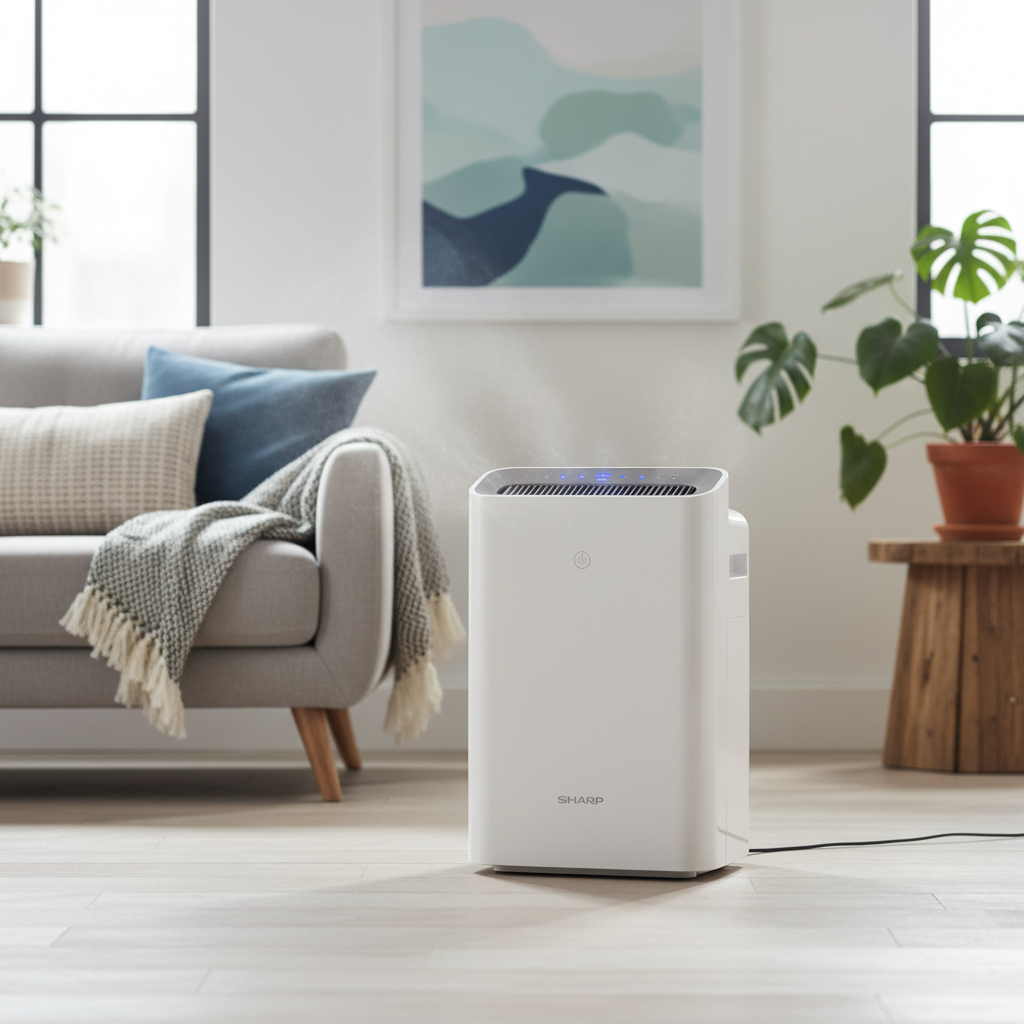
Ensuring the air you breathe and the water you drink are free from contaminants is paramount for a healthy home. Carbon filters play a crucial role in this, effectively trapping odors, chemicals, and various impurities through a process called adsorption. However, like any filtration component, carbon filters have a finite capacity and will eventually become “full” or saturated, losing their ability to purify. Recognizing the signs of an exhausted carbon filter is key to maintaining a healthy environment and optimizing the performance of your air purifier or water filtration system. But how do you know when it’s time for a replacement? This guide will walk you through the critical indicators and testing methods to help you identify when your carbon filter has reached its limit.
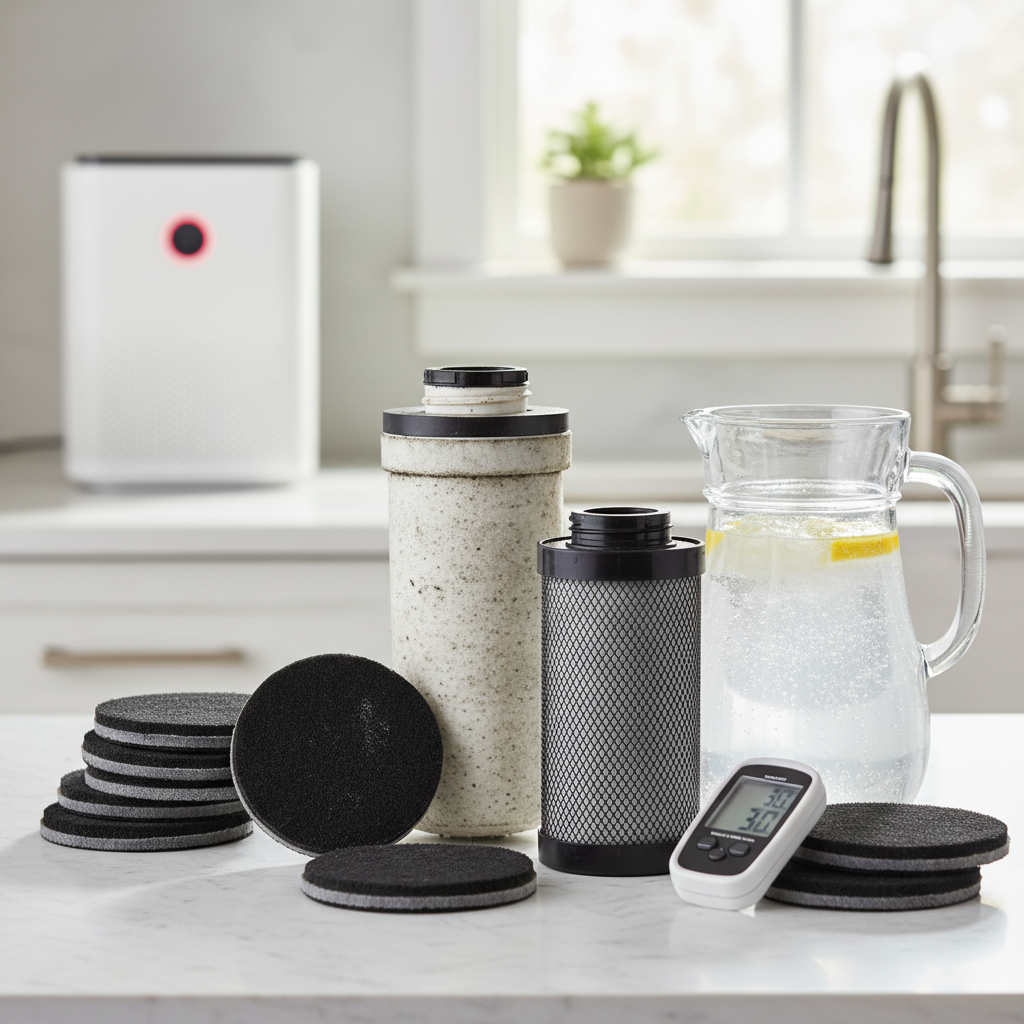
Understanding Your Carbon Filter: The Adsorption Process
Activated carbon, the material at the heart of these filters, is a highly porous substance designed to trap impurities. This remarkable material is produced by processing carbon to create millions of tiny pores, dramatically increasing its surface area. It’s this vast internal surface that allows for the magic of “adsorption.”
Adsorption is a surface phenomenon where molecules of gases, liquids, or dissolved solids adhere to the surface of the activated carbon. Unlike absorption, where substances are soaked up, adsorption involves contaminants sticking to the filter’s surface through chemical attraction. As air or water passes through the carbon filter, organic compounds, volatile organic compounds (VOCs), chlorine, odors, and other pollutants are effectively captured and held. Over time, these adsorption sites on the carbon particles become filled with contaminants. Once these sites are saturated, the carbon can no longer attract and hold new impurities, rendering the filter ineffective. This is when your filter is considered “full,” and replacement becomes necessary.
Early Warning Signs Your Air Purifier’s Carbon Filter is Saturated
When it comes to air purifiers, the performance of the carbon filter is vital for removing gaseous pollutants and lingering odors. As it reaches capacity, subtle yet noticeable changes will begin to occur in your indoor air quality. Paying attention to these signals can save you from breathing in pollutants that your filter is no longer handling.
Return of Unpleasant Odors
|
Our Picks for the Best Air purifier in 2026
As an Amazon Associate I earn from qualifying purchases.
|
||
| Num | Product | Action |
|---|---|---|
| 1 | LEVOIT Air Purifier for Home Large Room Up to 1073Ft² with Air Quality Monitor, AHAM VERIFIDE, Smart WiFi, Washable Pre-Filter, HEPA Sleep Mode for Pets, Allergies, Dust, Pollen, Vital 100S-P, White |

|
| 2 | LEVOIT Air Purifier for Home Bedroom Dorm Room, Smart & Voice Control, AHAM VERIFIED, 3-in-1 Filter With HEPA Sleep Mode, for Pollen, Pollutants, Smoke, Dander, Dust, Core 200S-P, White |
|
| 3 | LEVOIT Air Purifier for Home Allergies Pet Hair in Bedroom, Covers Up to 1073 ft² by 56W High Torque Motor, AHAM VERIFIDE, 3-in-1 Filter with HEPA Sleep Mode, Remove Dust Smoke Odor, Core300-P, White |
|
| 4 | KNKA Air Purifier for Home Bedroom Large Room Up to 1,695 Ft² in 1 Hr, HEPA Air Cleaner with Washable Pre-Filter, AHAM VERIFIDE, AQI Display, ECO Mode, Pet Mode for Pets, Dust, Pollen, APH4000 |
|
| 5 | Air Purifiers for Home with High Efficiency Filter Up to 1076 Ft² for Pet Hair, Odors, Pollen, Smoke, Compact Air Cleaner with 3 Speeds, Timer, Aroma Quiet 360°Intake Filter, White |
|
| 6 | LEVOIT Air Purifiers for Bedroom Home Dorm, AHAM VERIFIED, 3-in-1 Filter Cleaner With Aroma Pad, Filters Smoke, Allergens, Pet Dander, Odor, Dust, Office, Desktop, Core Mini-P, White |
|
| 7 | FreAire Air Purifiers for Bedroom Up to 1086 Ft², Air Purifiers for Home with Lights, HEPA Air Purifier Removes Dust Smoke Pollen Dander Smell, for Home/Pets/Bedroom |
|
| 8 | LEVOIT Air Purifiers for Home Large Room Up to 1875 Ft² with Washable Pre-Filter, AHAM VERIFIDE, Air Quality Monitor, HEPA Sleep Mode for Allergies, Pet Hair in Bedroom, Vital 200S-P, White |
|
| 9 | Air Purifiers for Home Large Room Cover Up to 1500 Ft² with True HEPA Filter, 20dB Sleep Mode, 360° Air Intake & Outlet, Air Cleaner for Bedroom Pets, 7 Color Light, HAP604, Bright White |
|
| 10 | Air Purifiers for Home Large Room, Cover Up to 2400 Ft² with True HEPA Filter, Smart Mode, PM2.5 Air Quality Display, 22dB Sleep Mode, Aromatherapy with 2X-Purification & 360°Air Outlet, HAP603 |
|
One of the most straightforward and common indicators that your air purifier’s carbon filter is full is the re-emergence of odors it once effectively removed. If you start to notice the smell of cooking, pet odors, smoke, or even general “stale” air returning to your living space, it’s a strong sign that the activated carbon has lost its ability to adsorb these gaseous pollutants. The air around you may no longer feel as fresh and clean as it once did after using the purifier.
A Sour or Chemical Smell from the Filter Itself
Sometimes, the filter doesn’t just stop removing odors; it can actually start to emit them. A pungent, sour, or distinctly chemical smell coming directly from the air purifier or the filter media itself can indicate that the carbon is heavily saturated. This smell often occurs because the captured pollutants are no longer held securely and might be off-gassing, or the carbon itself is reacting to the accumulated contaminants. It’s a clear signal that the filter is no longer a solution but part of the problem.
Decreased Effectiveness in Odor Elimination
Beyond the return of specific odors, a general decline in the air purifier’s overall odor-fighting capability is a red flag. Perhaps the air still smells somewhat fresh, but it takes longer for the purifier to clear cooking smells after dinner, or pet odors seem to linger much longer than before. This reduced efficiency suggests that while some adsorption might still be occurring, the filter’s capacity is significantly diminished, making it far less effective at tackling airborne impurities.
Recognizing Exhaustion in Water Filter Carbon Filters
While this discussion primarily focuses on air purifiers, carbon filters are also indispensable in water filtration systems. For these applications, the signs of a full filter manifest differently, primarily through changes in the water itself. Identifying these changes promptly is crucial for ensuring your drinking water remains safe and palatable.
Changes in Water Taste and Smell
The most common and immediate indicators of a saturated carbon water filter are changes in the taste and smell of your filtered water. If you begin to detect the metallic taste of chlorine, an earthy or musty odor, or any other unpleasant flavors that were previously absent, it’s a strong sign the carbon is no longer removing these contaminants. This can range from a faint, chemical taste to a more pronounced, unappealing flavor that makes drinking water less enjoyable.
Visible Impurities or Cloudiness in Filtered Water
Although carbon filters primarily target dissolved contaminants that affect taste and odor, some advanced carbon block filters also have a degree of particulate filtration. If you notice a sudden return of cloudiness, sediment, or a rusty tint in your filtered water, it could indicate that the carbon filter, or pre-filters in a multi-stage system, are no longer effectively capturing particles. This is a clear signal that the system is compromised and needs immediate attention.
Reduced Water Flow Rate
A gradual decrease in water pressure or a noticeably slower flow rate from your filtered tap can also be a sign of a carbon filter nearing the end of its life, especially in combination filters that also handle sediment. As the filter media becomes clogged with adsorbed particles and impurities, it can restrict the passage of water. While often associated with sediment filters, a heavily saturated carbon block can contribute to this reduction in flow, indicating it’s struggling to perform its function.
Why You Shouldn’t Rely Solely on Sensory Cues
It’s tempting to wait until you can distinctly smell or taste impurities before considering a filter replacement. However, this approach can be misleading and potentially compromise your health. Carbon filters lose efficiency gradually, not suddenly. The adsorption capacity of the activated carbon diminishes over time as it captures contaminants. This means that long before you perceive any change in air quality or water taste, the filter may already be significantly less effective at removing harmful substances.
Relying solely on your senses means you might be exposed to low levels of pollutants for an extended period, as the filter allows more and more contaminants to pass through untreated. Early signs, such as a subtle shift in room freshness or a slight decrease in water flow, are often more reliable indicators of declining performance than a full-blown return of strong odors or tastes. Prompt replacement based on earlier cues ensures continuous high-quality filtration and protection against potential health risks.
Practical Methods to Test Your Carbon Filter’s Efficacy
Beyond sensory observations, there are more direct ways to assess the condition of your carbon filter and determine if it’s truly exhausted. These methods range from simple at-home checks to consulting manufacturer guidelines, providing a more objective assessment.
The Smell Test for Air Purifiers
For air purifier carbon filters, a direct “smell test” can be surprisingly effective. Carefully remove the carbon filter (or the filter containing the carbon layer) from your air purifier. Hold it close to your nose and take a sniff. If the filter itself emits a strong, sour, or chemical odor, it’s a strong indication that it is saturated with pollutants it has captured. This is the accumulated “burden” of what it has removed, and it signifies the filter has reached its capacity.
DIY Water Filter Tests
For water filters, two simple DIY tests can help confirm if your carbon filter is still active:
- Turmeric Powder Test: Mix a quarter teaspoon of turmeric powder into about a gallon of tap water. Turmeric is a natural indicator that reacts to certain organic compounds. Pour this mixture through your water filter. If the filtered water remains perfectly clear and colorless, your carbon filter is likely still working effectively. If there’s any visible tint or cloudiness, it suggests the filter is no longer removing all impurities. Remember to thoroughly rinse your system afterward.
- Red Dye Test: Similar to the turmeric test, use a few drops of red food coloring (ensure it’s mineral-free) in a glass of unfiltered water. Pass this colored water through your carbon filter. Since red food coloring doesn’t contain minerals, a functional carbon filter should remove the color, producing crystal-clear water. If the filtered water retains any red hue, it indicates the filter’s adsorption capacity is compromised.
Manufacturer Recommendations and Timelines
The most reliable approach to carbon filter replacement is to follow the manufacturer’s recommendations. Most air purifiers and water filtration systems come with guidelines for how often carbon filters should be changed, typically ranging from 3 to 12 months, depending on usage, air/water quality, and filter type. These recommendations are based on extensive testing and are designed to ensure optimal performance throughout the filter’s lifespan. Always check your device’s manual or the filter packaging for specific guidance. Ignoring these timelines, even if you don’t perceive immediate issues, can lead to reduced filtration effectiveness.
What Happens If You Don’t Replace a Full Carbon Filter?
Operating your air purifier or water filter with an exhausted carbon filter has several detrimental consequences that extend beyond merely ineffective filtration. Understanding these risks highlights the importance of timely replacement.
Firstly, a full carbon filter simply ceases to perform its function. This means that the very pollutants it was designed to remove – odors, VOCs, chlorine, and other chemicals – will pass through unimpeded into your air or water. Consequently, your indoor air quality will decline, and your drinking water will no longer be purified to the expected standard. Over time, continuous exposure to these unfiltered contaminants can have adverse effects on your health, potentially exacerbating allergies, respiratory issues, or leading to other long-term concerns.
Moreover, in multi-stage filtration systems, an exhausted carbon filter can negatively impact other filter components. For instance, in water purification, if the carbon layer fails to remove chlorine, the chlorine can then damage downstream reverse osmosis membranes or other delicate filters, significantly shortening their lifespan and increasing maintenance costs. Similarly, in air purifiers, if the carbon filter isn’t handling gases, it might put undue stress on other filters designed for particulate matter, or simply make the overall system less effective. Essentially, an unreplaced carbon filter becomes a weak link, compromising the integrity of your entire filtration system and potentially turning a beneficial appliance into a source of re-circulating impurities.
Maintaining Your Carbon Filter for Optimal Performance
To extend the life of your carbon filter and ensure your air purifier or water system consistently delivers clean output, proper maintenance is essential. While carbon filters cannot be regenerated or washed, good habits can make a significant difference.
Adhering to a regular replacement schedule is the most critical aspect of carbon filter maintenance. Always refer to your manufacturer’s guidelines, which typically recommend replacement every 3 to 12 months, depending on the model and usage. Mark these dates on a calendar or set a reminder to ensure you don’t overlook this crucial step. Additionally, if your system includes pre-filters (often a mesh or foam layer before the carbon), clean or replace these regularly according to instructions. Pre-filters capture larger particles like dust and pet hair, preventing them from prematurely clogging the carbon filter and preserving its adsorption capacity for gaseous contaminants. Proper storage of spare filters in a sealed, dry environment away from direct sunlight can also prevent them from absorbing ambient odors and moisture before they are even installed, ensuring they are fresh and effective when needed.
“Many users mistakenly believe their carbon filter is still effective as long as water flows through it, or if they don’t immediately detect a foul odor. In reality, the filter’s performance can significantly degrade long before sensory changes occur, making timely replacement based on manufacturer guidance and early indicators absolutely critical for maintaining genuine purification.” – Dr. Anya Sharma, Environmental Health Scientist
Conclusion
Understanding when your carbon filter is full is fundamental to maintaining a truly healthy home environment, whether you’re purifying air or water. While a noticeable return of unpleasant odors or tastes might be the most obvious sign, relying solely on these sensory cues can mean you’re using an ineffective filter for too long. Early indicators like a subtle decline in air freshness, a chemical smell emanating from the filter itself, or even reduced water flow rate, are crucial signals. Incorporating practical checks like the filter “smell test” or simple water dye tests, alongside strictly following manufacturer replacement schedules, will ensure your purification system remains at its peak performance. By staying vigilant and proactive, you empower yourself to consistently enjoy clean, fresh air and pure water. What steps will you take today to check the health of your carbon filters and ensure your home environment is truly protected?
Frequently Asked Questions
Can I wash my carbon filter to reuse it?
No, carbon filters are generally not washable or reusable. The adsorption process is irreversible for most contaminants, meaning once the carbon’s pores are full, washing it will not regenerate its ability to trap new impurities. Attempting to wash a carbon filter can actually degrade its structure and render it completely ineffective.
How often should I replace a carbon filter?
The replacement frequency for carbon filters varies depending on the device, usage intensity, and the level of contaminants in your air or water. Most manufacturers recommend replacing air purifier carbon filters every 3 to 12 months, and water filter carbon cartridges every 6 to 12 months. Always consult your specific product’s manual for precise guidelines.
Does a full carbon filter affect energy consumption?
For air purifiers, a carbon filter that is heavily clogged with particulate matter (though this is more common with HEPA or pre-filters) could potentially restrict airflow and make the fan work harder, slightly increasing energy consumption. However, a carbon filter that is “full” due to adsorption of gases, but not physically blocked, typically won’t significantly impact energy usage. For water filters, a saturated filter can reduce flow rate but generally doesn’t affect energy consumption directly unless it’s part of a pump-driven system.
What is the lifespan of a carbon filter?
The lifespan of a carbon filter is determined by its total adsorption capacity and the concentration of contaminants it processes. It’s not about how long it lasts in time, but how much it absorbs. High levels of odors, chemicals, or chlorine will saturate a filter more quickly than low levels. Following manufacturer recommendations and observing the signs of exhaustion are the best ways to gauge its effective lifespan.